By admin

Bob Scriver and the Indians (Photo Diary)

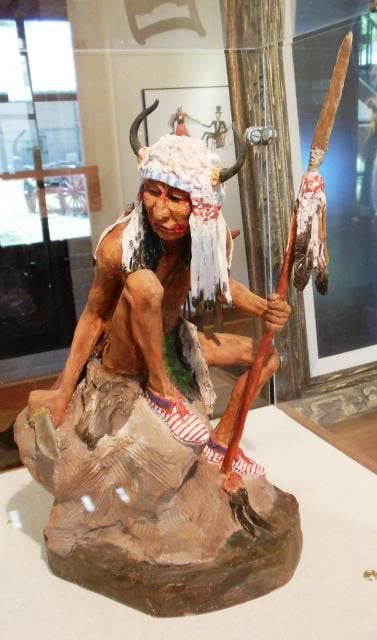
Bob Scriver (1914-1999) is among the West’s greatest sculptors. He was born on the Blackfeet Reservation in Montana. His forte was American Indians. As a scholar of Blackfoot Indian culture and history, he is known for his ability to capture historically accurate detail in his sculptures. He was given the Blackfoot name Sik-Poke-Sah-Ma-Pee.   Scriver’s … Continued
By admin

Karl Bodmer and the Indians

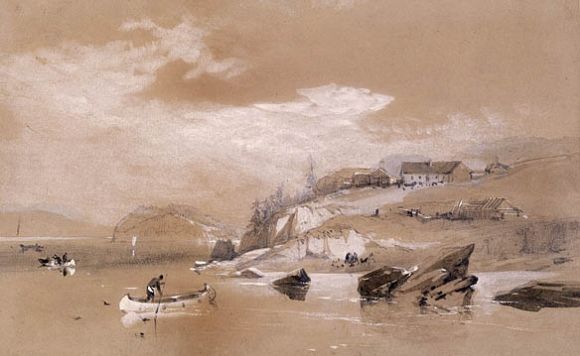
In 1832 Prince Maximilian of Wied-Neuwied, with young Swiss draftsman Karl Bodmer and hunter-taxidermist David Dreidoppel, embarked on a scientific expedition to study the flora, fauna, and native peoples of western North America. In 1833, they left St. Louis on the steamboat Yellow Stone owned by the American Fur Company and began their journey up … Continued

American Indian Youth and Budget Cuts

By admin

Kolaskin, A Sanpoil Prophet

The Columbia Plateau refers to the area between the Cascade Mountains and the Rocky Mountains in Washington, Oregon, Idaho, British Columbia, and Western Montana. Many of the Indian nations in this region, such as the Sanpoil, speak languages which belong to the Salish language family. For many of the Salish-speaking tribes, prophecy was an important … Continued

Kolaskin died in 1920

By admin

The Astorians and the Indians

John Jacob Astor came to the United States following the Revolutionary War and through his contacts with the North West Company in Canada soon entered into the fur trade. By 1800 he was one of the leaders in the American fur trade. He also began trading furs and other items in China.   Astor envisioned … Continued

By admin

The Cypress Hills Massacre

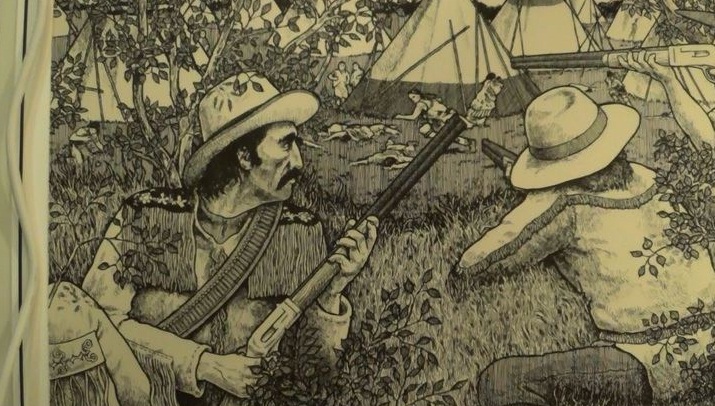
In the 1860s and 1870s packs of non-Indians known as wolfers roamed the Northern Plains of Montana and Alberta seeking to exterminate wolves. They would kill a buffalo, then douse the carcass with poison and wait for the wolves to devour the poisoned meat and die. They would then skin the wolves and collect the … Continued

The Cypress Hills Massacre

By admin

Comcomly, Chinook Chief

The river known to the Chinook Indians as Hyas Cooley Chuck collides with the Pacific Ocean to create the worst wave conditions on the planet. While Native people crossed the Bar in their large ocean-going canoes, the rough water stopped many of the early European explorers who were looking for the mythical River of the … Continued

By admin

The Tulalip and Europeans

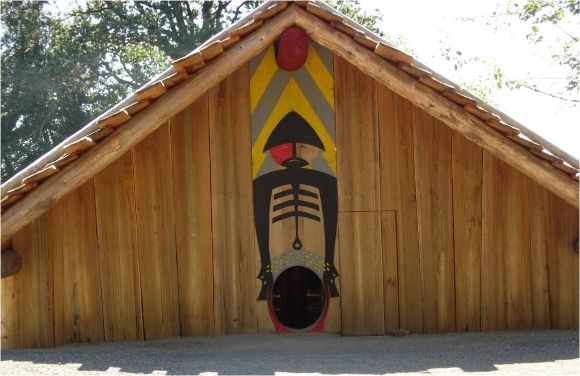
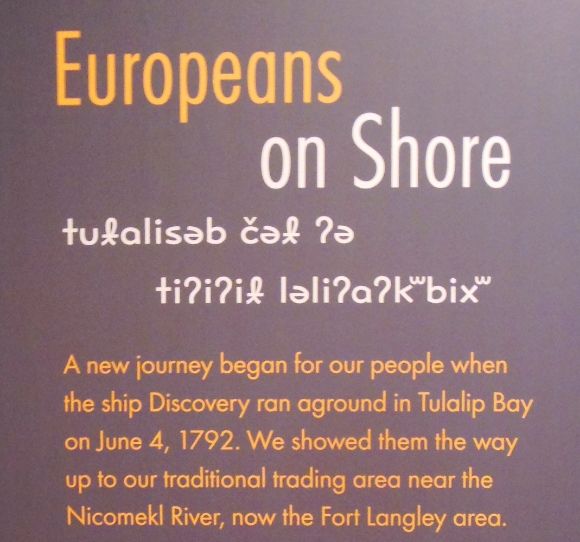
The Tulalip tribes–Snohomish, Snoqualmie, Skykomish, and others-have lived along the Salish Sea (Puget Sound) for thousands of years. Dramatic changes in their cultures began 1792 with the arrival of the British ship Discovery. Several of the displays at the Hibulb Cultural Center and Natural History Preserve tell the story of these changes from the Tulalip … Continued

By admin

Ranald MacDonald, Teacher of English to the Japanese

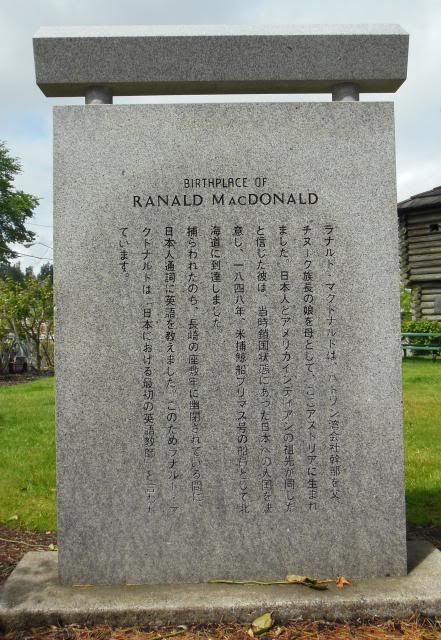
In 1853 Commodore Matthew C. Perry brought the American Navy to Japan and forced Japan to end its policy of isolation from the rest of the world. In the negotiations, the Japanese government had interpreters who spoke English. Since Japan had isolated itself from the rest of the world and had barred foreigners from their … Continued

By admin

Suquamish Canoes (Photo Diary)

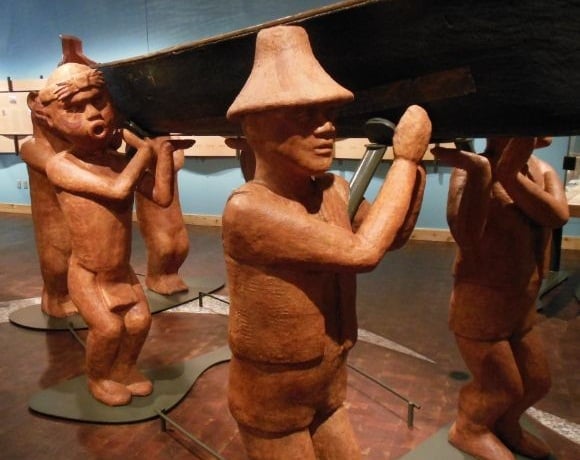
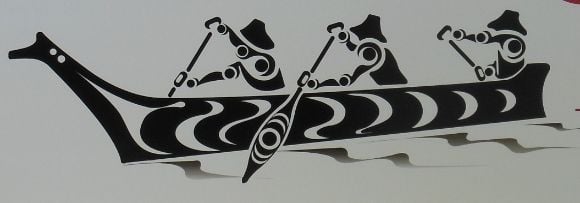
The Northwest Coast culture area is oriented toward water: both the ocean and the many rivers flowing into it. Before the coming of the Europeans, the villages were built near water, either on the sea coast or on a river. Transportation was primarily by water. Distances were measured by how far a canoe could travel … Continued

By admin

Non-Indians and the Makah, 1788 to 1855

Non-Indians first encountered the Makah in 1788 when the British sloop Princess Royal anchored at the Makah village of Classet on Washington’s Olympic Peninsula. The Makah, who occupy the western-most part of what is now the lower forty-eight states of the United States, had lived in this territory for thousands of years. Unlike the other … Continued