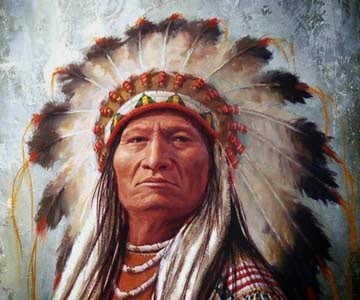
Reservations in 1915
During the nineteenth century, the United States had attempted to settle all Indians on well-defined reservations on lands deemed unsuitable for non-Indian development. Here Indians … Continued
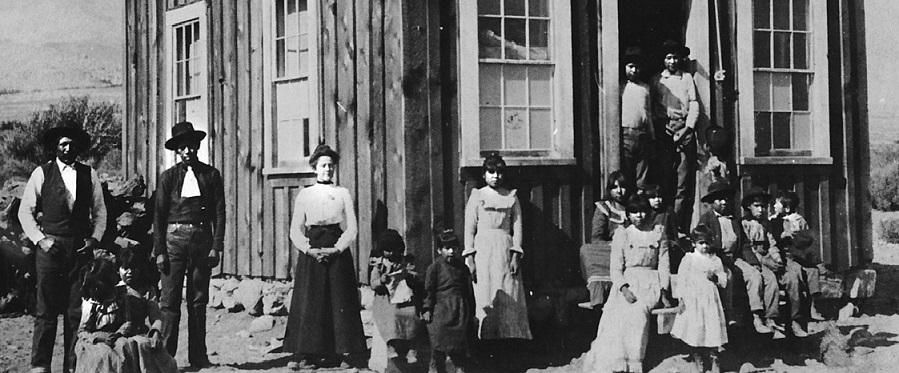

During the nineteenth century, the United States had attempted to settle all Indians on well-defined reservations on lands deemed unsuitable for non-Indian development. Here Indians … Continued
At the beginning of the eighteenth century the Cherokee were not a single political nation, but a linguistic and cultural grouping of about 50 villages. … Continued
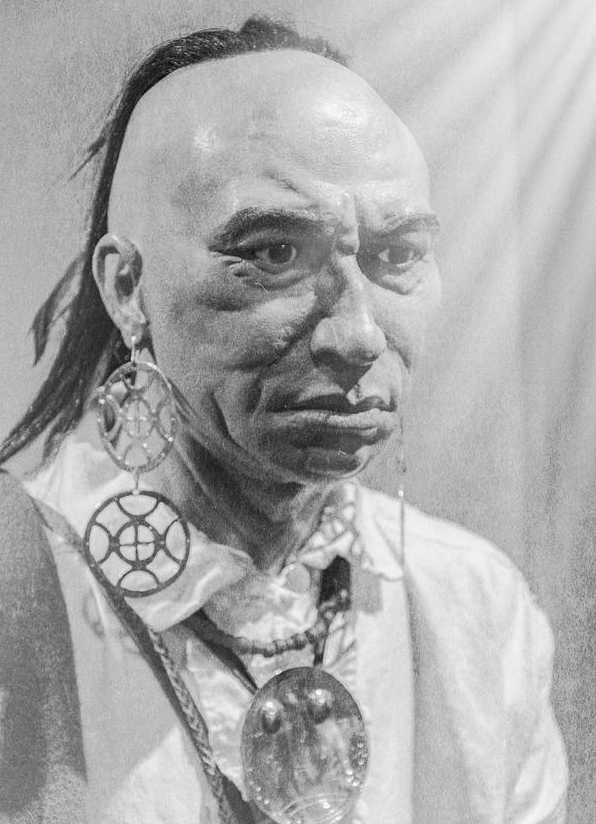
The primary unit of government among the Cherokee was the town. Each town—perhaps 50 at the time of first European contact—was autonomous. The government of … Continued

The English colonists in Massachusetts were sometimes conflicted with regard to Indians. Many colonists, viewing the New World as a wilderness, felt that Indians impeded … Continued
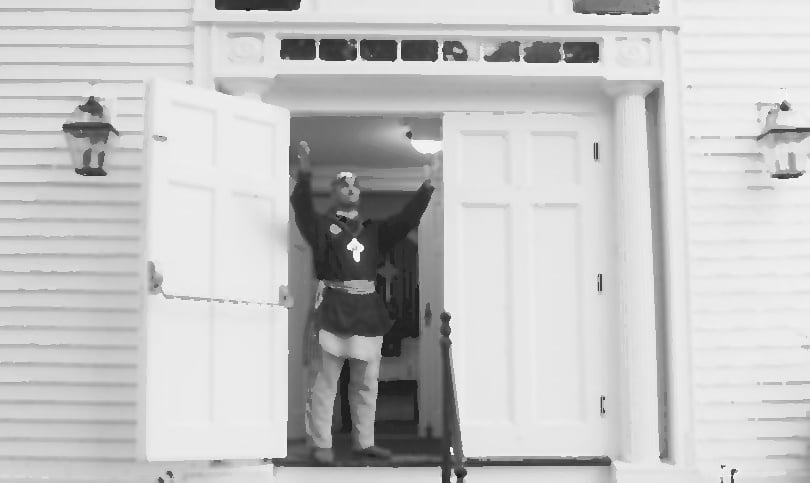
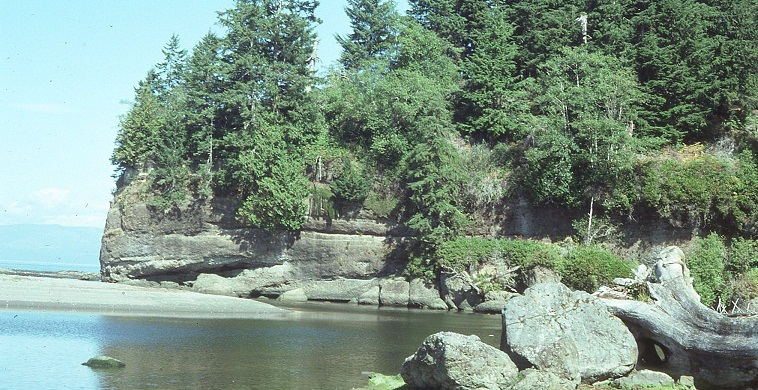
The Hoko River originates in the foothills of the Olympic Mountains (Washington State) and flows for about 25 miles to the Pacific Ocean. It flows … Continued
Beginning with Christopher Columbus in the late fifteenth century, it was a common practice for European explorers and colonists to bring Native peoples back to … Continued
Five of the Southeastern Indian nations – Cherokee, Chickasaw, Choctaw, Creek, and Seminole – are sometimes called the “five Civilized Tribes”. The designation “civilized” is an … Continued