
Native Americans During World War II: Things You Probably Didn’t Know
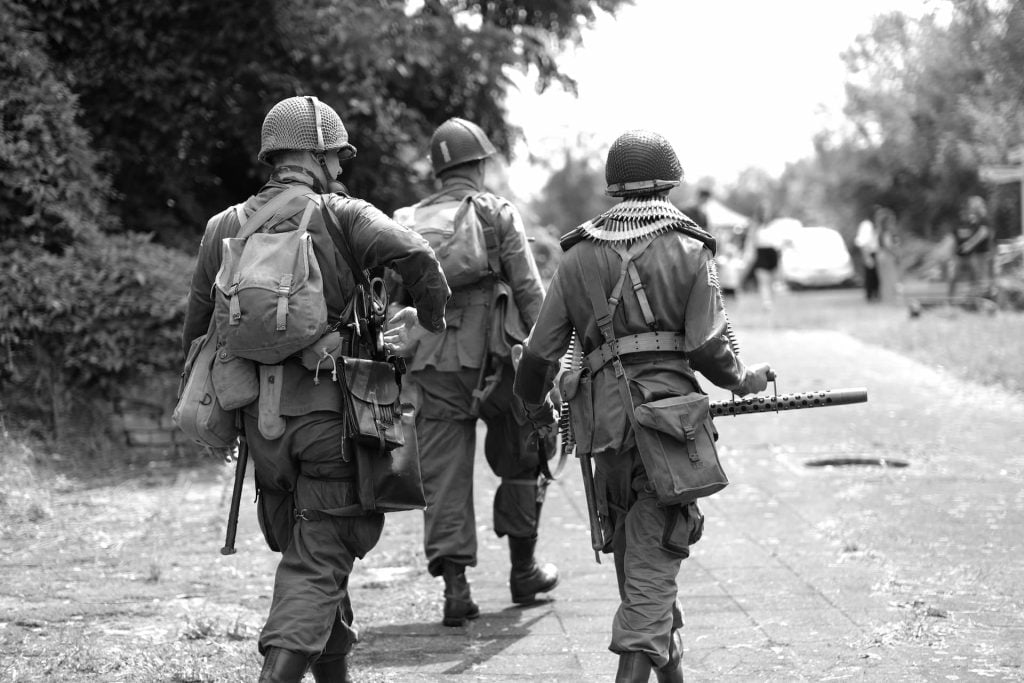
When the United States entered World War II, Native Americans answered the call to service in striking numbers, all despite a long history of broken treaties, forced removals, and discrimination at home.
Around 45,000 Native Americans served during the Second World War. In fact, according to sources, Native American women and men served in all branches of the military in 1945.
The contributions that many American Indians made during that period were immense. They were code talkers, frontline soldiers, pilots, medics, and nurses, serving in the most dangerous combat zones of the war. Fellow soldiers respected Native Americans in WW2, as they were brave and resilient.
But what were Native American tribes especially good at? What made them stand out among others? And why did they decide to join the military? We’ll discuss this and more in this blog post. And if you’re interested in finding out whether you have Native American relatives or want to get more information about Native American tribes, Native American Netroots has got you covered.
Native Americans Before the Second World War: Here’s What to Know
Before the war began, the Native peoples of the Americas lived under conditions shaped by decades of federal control, cultural suppression, and economic hardship. Although the Indian Citizenship Act of 1924 granted U.S. citizenship to Native Americans, many were still denied voting, equal access to education, and economic opportunities. Life on reservations was marked by poverty and limited employment prospects, and it was quite difficult for American Indians to improve their living conditions.
In 1939, the average income for many Native Americans was well below the national average. Even those people who had a high school diploma could barely find jobs on reservations.
In comparison to World War I, when Native American men and women weren’t forced to draft because they weren’t U.S. citizens, the situation changed when World War II began. Alongside white Americans, the first settlers of the New World now faced the possibility of being drafted, and many Native Americans even volunteered to join the forces.
Why Was Enlistment So High Among Indigenous People?
Approximately 45,000 Native American people were involved in the United States military during World War II (of a total Native population of about 350,000 people). This means that many able-bodied Native people of military age were enlisted or drafted. But why were so many interested in joining the US military? Here are a few reasons for this:
- Warrior Traditions
Many tribes viewed military service as an extension of long-standing warrior roles tied to honor and responsibility. Both Native American males and females embraced these roles and served in different positions. Many joined the military to uphold cultural values of honor and courage, not only because it was a duty.
- Economic Pressure
The Great Depression hit the Native American reservation system especially hard. Military service, on the other hand, offered steady pay and food. Natives on remote reservations often faced even more extreme poverty, so military service offered them a chance for a steady income.
- Land Protection
Many Indigenous people drafted because they wanted to protect their lands, even if they distrusted the federal government. They knew that losing access to the only thing that fed them was a real threat to their survival.
- Draft Pressure
Native Americans were subject to the draft like other Americans during World War II, but even volunteer rates were unusually high.
Native Americans’ Achievements During World War II
Native American veterans made major contributions during the war period. In some cases, they even had certain advantages over their foes, such as speaking a native language that helped them transmit secret messages among different segregated units.
Code Talkers
One of the most important and unique contributions of Native Americans was their service code talkers, military communicators who used traditional tribal languages, such as, for example, the Navajo language, to create secure codes for transmitting messages. Since enemy forces frequently intercepted radio communications, the U.S. military needed a system that was impossible to break. Native American code talkers provided the perfect solution for this.
The most famous group, the Navajo code talkers, developed a complex code based on their native language. It was used extensively in certain regions, including the Pacific Theater, and Navajo code talkers transmitted thousands of messages over a two-day period with 100% accuracy.
Although the Navajo code talkers are the most well-know, the Comanche, Choctaw, Hopi, Lakota, Cheyenne, and Seminole also played a crucial role in sending secret messages.
Ironically, the government forbade Native Americans to speak their native languages prior to the war, and only approved of it as they needed a secure way to communicate important information.
Native American Women’s Contributions During World War II
During the war, women accepted all kinds of roles to support the U.S. war effort. Their participation opened new roles for them instead of just traditional ones. Women joined organizations such as the Women’s Army Corps (WAC), the Army Nurse Corps, and the Navy Nurse Corps. They served as nurses, radio operators, clerks, and medical assistants, among others, and provided essential support to combat troops.
In addition to military service, Native American women were immensely helpful on the home front. They worked in defense factories, aircraft plants, and other factories, where they produced weapons, vehicles, and all the other supplies needed for the war. For many women, this was their first experience working outside their reservations.
However, discrimination among Native American women wasn’t uncommon. They often weren’t paid equally, had limited advancement opportunities, and encountered racism.
Industrial and Economic Contributions
As the demand for labor and resources increased, Native American people became an important part of the wartime economy, both on and off reservations. Thousands of Indigenous people left reservations to work in defense industries, as the military jobs provided steady wages and industrial skills that Native workers had been previously denied.
Native lands also supplied valuable natural resources, such as copper, coal, oil, and uranium, that were needed for wartime production. However, in many cases, tribes received little financial benefit from their economic contributions, which reflected the ongoing inequality.
Agricultural production was another important contribution to the war effort, as Native American farmers increased the production of food to support civilian populations and military forces. As stated by the National Museum of the American Indian, around 150,000 American Indians served in the military or worked agricultural or industrial jobs.
“We are doing our best to win the war to be free from danger as much as the white man. We are fighting with Uncle Sam’s army to defend the right of our people to live our own life in our own way,” stated Lewis Naranjo, a Native American serviceman from Santa Clara Pueblo.
Let’s Recap
Despite facing discrimination from the government and dealing with all sorts of challenges for a very long period, Native Americans didn’t hesitate to protect their country during World War II. They served in the military at one of the highest rates of any group, took on different roles, became the famous code talkers, and made other important contributions.
Their services demonstrated their courage and skills, and, most importantly, strengthened their claims to civil rights, citizenship, and political recognition after the war.
Ultimately, Native Americans in World War II were a powerful example of patriotism and resilience.
Related Posts
-
 Myths and Misconceptions About Native Americans
Native American communities have a history that dates back thousands …
Myths and Misconceptions About Native Americans
Native American communities have a history that dates back thousands … -
 5 Famous Native American Authors
For thousands of years, Native American society relied on oral …
5 Famous Native American Authors
For thousands of years, Native American society relied on oral … -
 Historical Trauma Among Native Americans: Here’s What You Need to Know
Everyone, no matter how young or old, deals with traumas. …
Historical Trauma Among Native Americans: Here’s What You Need to Know
Everyone, no matter how young or old, deals with traumas. … -
 Native American Contributions That Changed the World
It's difficult to imagine the contemporary world without revolutionizing inventions, …
Native American Contributions That Changed the World
It's difficult to imagine the contemporary world without revolutionizing inventions, …