
PBS Mini-Series on Native American History
PBS Mini-Series on Native American History
April 13, April 20, April 27, May 4, May 11
We Shall Remain is a groundbreaking mini-series and provocative
multi-media project that establishes Native history as an essential part
of American history. Five 90-minute documentaries spanning three hundred
years tell the story of pivotal moments in U.S. history from the Native
American perspective.
Episode 1 After the Mayflower
In 1621, the Wampanoag of New England negotiated a treaty with Pilgrim
settlers. A half-century later, as a brutal war flared between the English
and a confederation of Indians, this diplomatic gamble seemed to have been
a grave miscalculation.
—–
Episode 2 Tecumseh’s Vision
In the course of his brief and meteoric career, Tecumseh would become one
of the greatest Native American leaders of all time, orchestrating the
most ambitious pan-Indian resistance movement ever mounted on the North
American continent.
—–
Episode 3 Trail of Tears
Though the Cherokee embraced “civilization” and won recognition of tribal
sovereignty in the U.S. Supreme Court, their resistance to
removal from their homeland failed. Thousands were forced on a perilous
march to Oklahoma.
—–
Episode 4 Geronimo
As the leader of the last Native American fighting force to capitulate to
the U.S. government, Geronimo was seen by some as the perpetrator of
unspeakable savage cruelties, while to others he was the embodiment of
proud resistance.
—–
Episode 5 Wounded Knee
In 1973, American Indian Movement activists and residents of the Pine
Ridge Reservation occupied the town of Wounded Knee, demanding redress for
grievances. As a result of the siege, Indians across the country forged a
new path into the future.
PBS Television Series
At the heart of the project is a five-part television series that shows
how Native peoples valiantly resisted expulsion from their lands and
fought the extinction of their culture — from the Wampanoags of New
England in the 1600s who used their alliance with the English to weaken
rival trib
es, to the bold new leaders of the 1970s who harnessed the
momentum of the civil rights movement to forge a pan-Indian identity. We
Shall Remain represents an unprecedented collaboration between Native and
non-Native filmmakers and involves Native advisors and scholars at all
levels of the project.
Web & New Media
An in-depth Web site will serve the general public, educators, and
students, offering educational resources and several hours of streaming
video. Part of PBS Online, one of the leading dot-org sites on the
Internet, the We Shall Remain site will feature Web-exclusive videos
exploring contemporary topics such as language revitalization efforts,
Native enterprise and tribal sovereignty. The site will also host
behind-the-scenes production stories, streaming of the ReelNative films,
and information about upcoming events across the nation.
ReelNative
This unique project offers Native Americans a venue to share their stories
with a national audience. At workshops in Arizona,
Massachusetts, and Oklahoma, participants ranging in age from fourteen to
fifty-five were taught to produce short films. Quirky, touching, funny,
and profound, the films reveal the diversity of the contemporary Native
experience and testify to the resilience of Native people and culture.
Community Engagement Campaign
A nationwide community outreach campaign is engaging Native communities
and organizations, Native radio, public television stations,
universities, museums, schools, and libraries. The events, activities, and
dialogue that come out of these relationships will extend We Shall
Remain’s crucial message to invite audiences to tune in to the
broadcast.
Educator Resources
The We Shall Remain Web site will launch an extensive Teacher’s Guide
< http://www.pbs.org/wgbh/amex/w…
earn> for social studies educators. The guide will incorporate video
segments from the five documentaries into social studies resources,
offering both viewing and comprehension aids and classroom activities. T
his resource will inspire and support teachers to integrate Native history
and issues into their curricula and encourage them to present Native
history as an integral part of American history.
National Library Initiative
WGBH is working closely with the American Library Association (ALA) and
its 2007-2008 President Loriene Roy (White Earth Anishinabe) to build
awareness of the series among librarians, Native organizations,
scholars, and writers. Ms. Roy is also collaborating with WGBH to
develop innovative ideas for how to use We Shall Remain materials to serve
the unique needs of local communities and tribal libraries. A library
event kit developed specifically for public, college, school, and tribal
libraries will be distributed to 17,000 public libraries, as well as to
all tribal libraries. The kit offers programming ideas and resources to
help libraries organize and deliver engaging events related to We Shall
Remain. Features include storytelling days, Native
literature reading circles, cross-cultural art projects for youth,
discussion forums, guidelines for evaluating media about Native peoples,
and an extensive bibliography of book, film, and Internet resources.
Related Posts
-
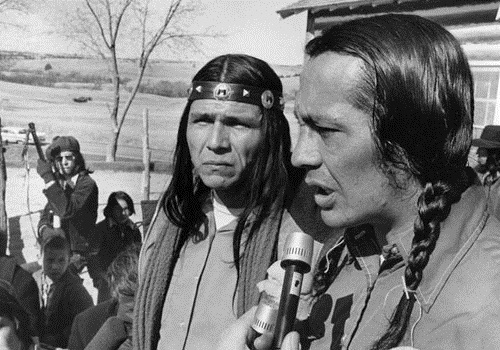
 5 Famous Native American Authors
For thousands of years, Native American society relied on oral …
5 Famous Native American Authors
For thousands of years, Native American society relied on oral … -
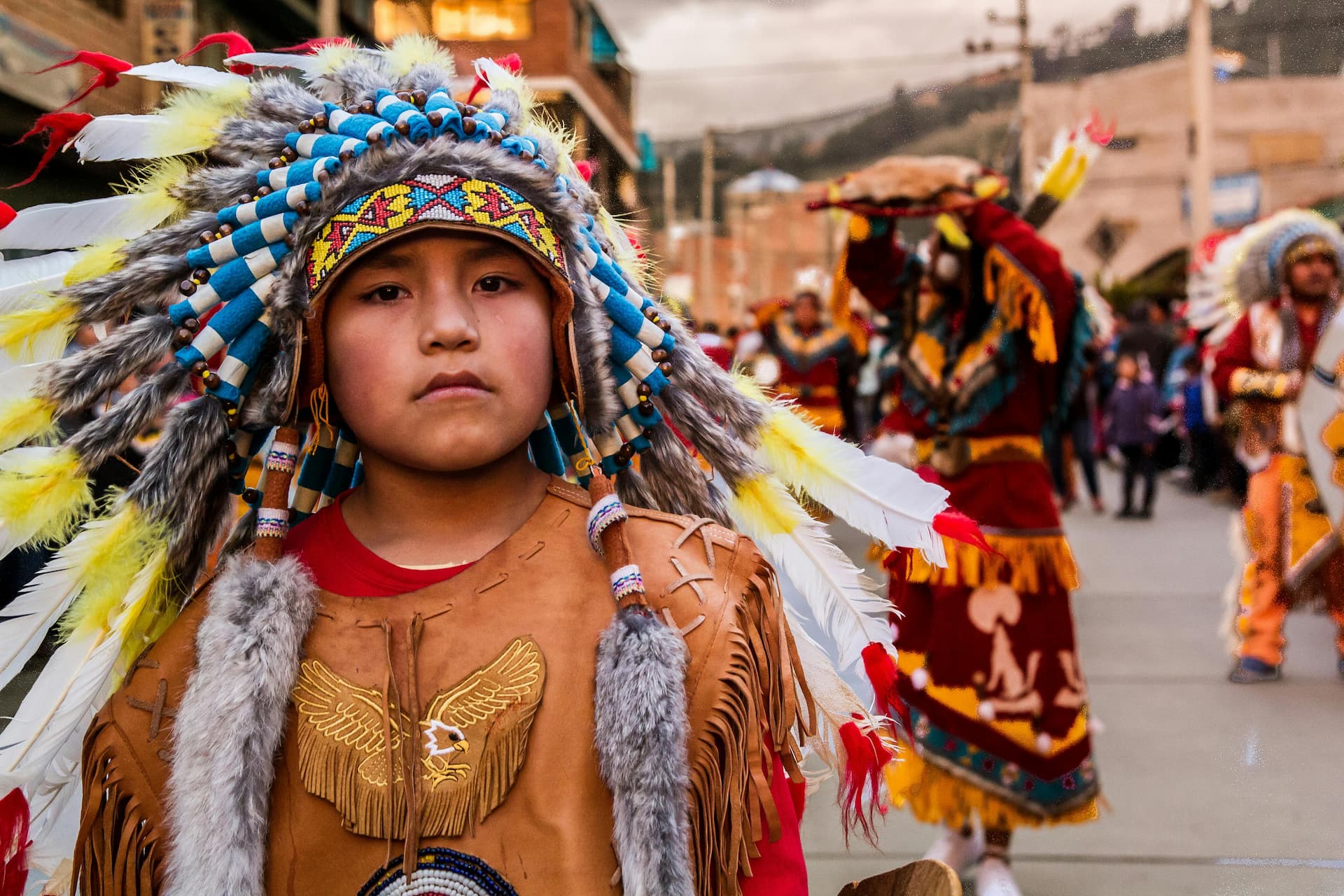 Historical Trauma Among Native Americans: Here’s What You Need to Know
Everyone, no matter how young or old, deals with traumas. …
Historical Trauma Among Native Americans: Here’s What You Need to Know
Everyone, no matter how young or old, deals with traumas. … -
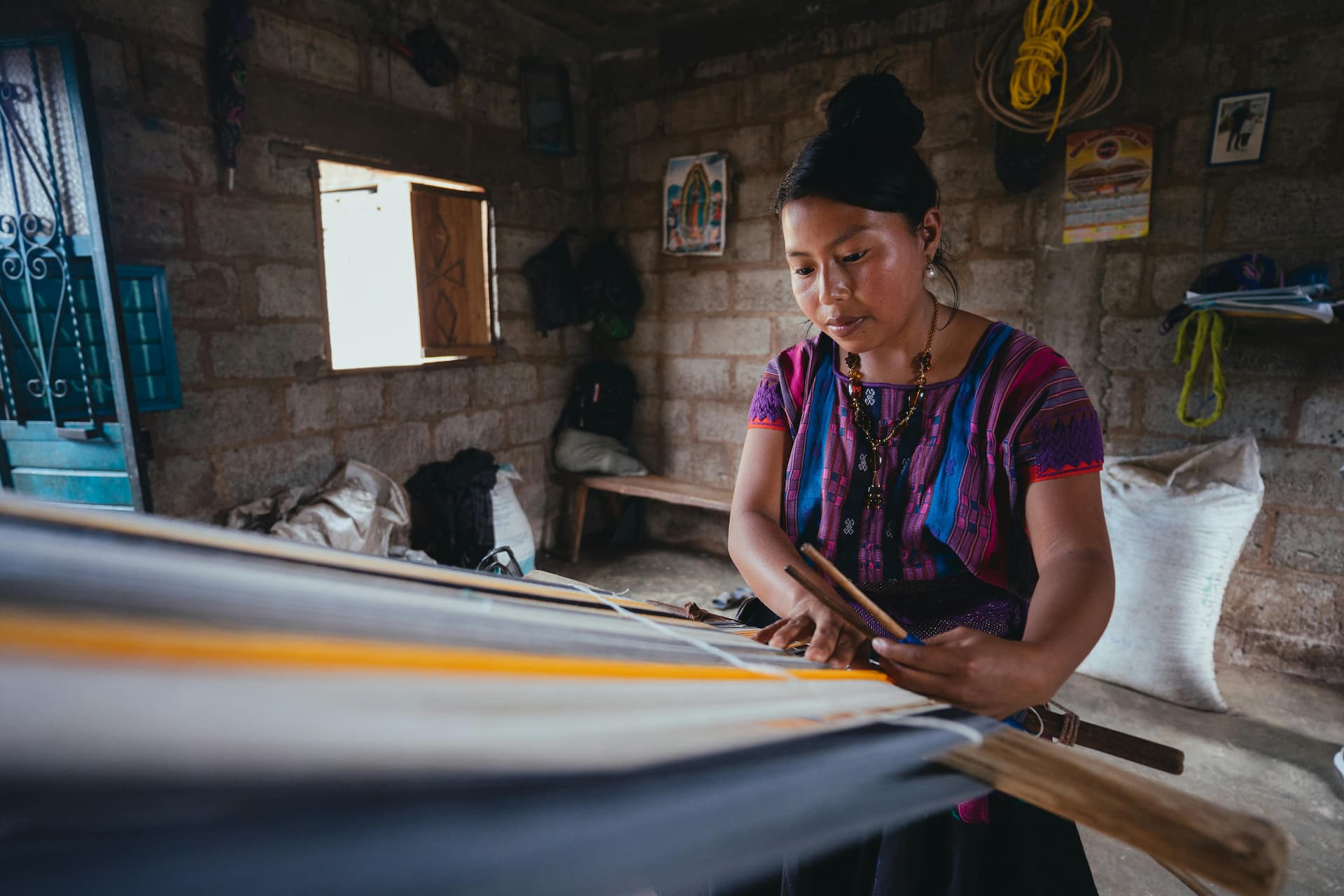 Native American Contributions That Changed the World
It's difficult to imagine the contemporary world without revolutionizing inventions, …
Native American Contributions That Changed the World
It's difficult to imagine the contemporary world without revolutionizing inventions, … -
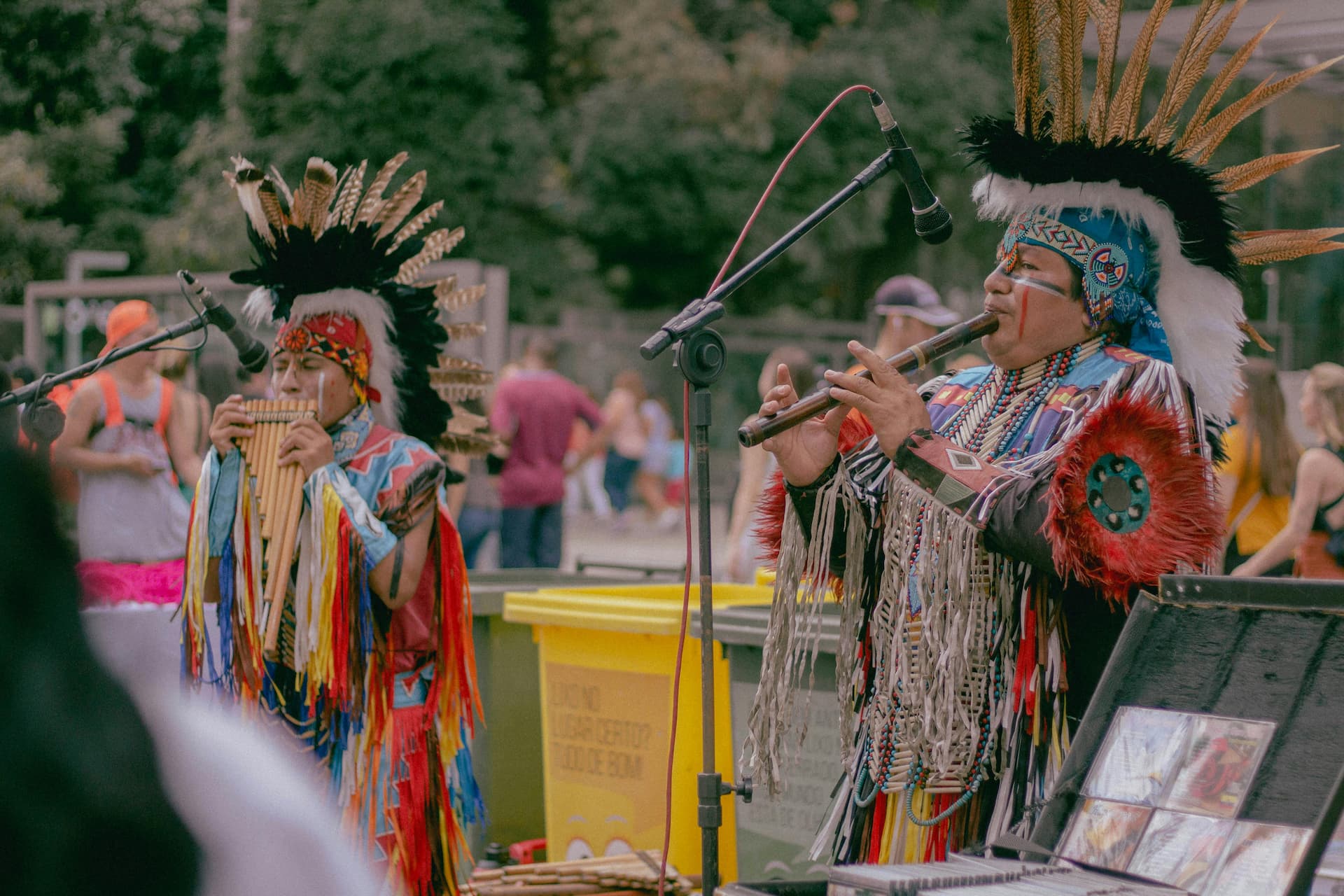 7 Interesting Facts About Native Americans
The first human migration to the Americas dates back several …
7 Interesting Facts About Native Americans
The first human migration to the Americas dates back several …