By admin

Ancient South America: Patagonia

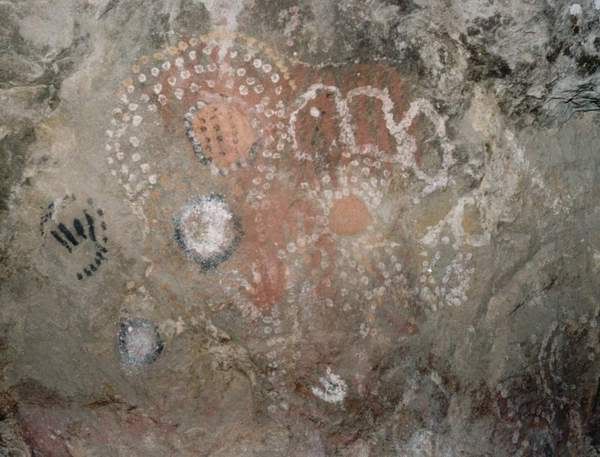
Humans-Homo sapiens-have lived in South America for at least 15,000 years and possibly longer. The earliest period of human occupation is generally called the Lithic Stage by archaeologists.   During this time period the first post-glacial hunting and gathering groups lived in South America. The people were living in small groups which subsisted on hunting, … Continued
By admin

Suppressing Dissent on the Crow Reservation

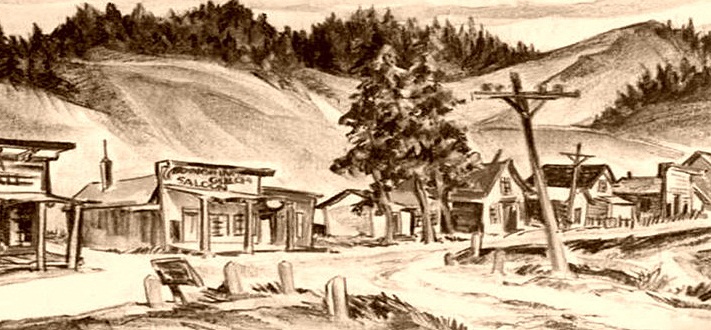
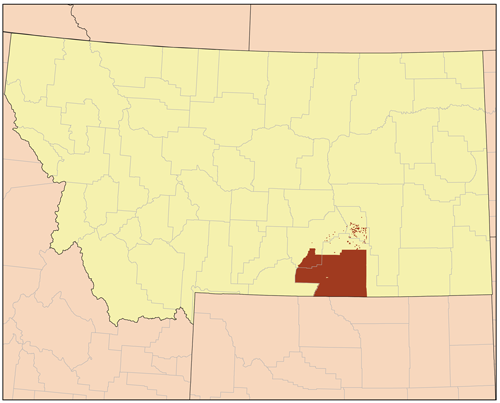
The Crow Reservation in Montana was first defined by the United States government at the Fort Laramie Treaty Council of 1851. Subsequently, the Indian Office (later known as the Bureau of Indian Affairs) assigned Indian agents to administer the reservation. In 1902 Samuel G. Reynolds became the Indian agent for the Crow reservation and began … Continued

By admin

The Hopi and the Spanish

The Spanish entrada (entrance) into the American Southwest began during the sixteenth century with explorers who were driven by greed. The Spanish hunger for gold and other fast wealth was justified in their own minds by their religion: their attempts to harvest souls for their religion justified their brutality toward the native peoples they encountered. … Continued

By admin

Sacred Places in New England

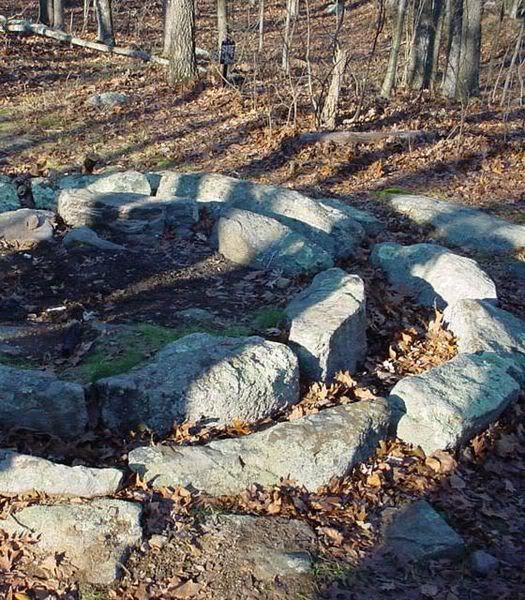
The cultural landscape of American Indians is filled with sacred sites which are described in their oral traditions. There are two basic kinds of sacred sites: (1) those which are sacred because of human acts of consecration, dedication, and ritual practice, and (2) those which are intrinsically holy, places which are endowed with great spiritual … Continued

By admin

President James Monroe and the Indians

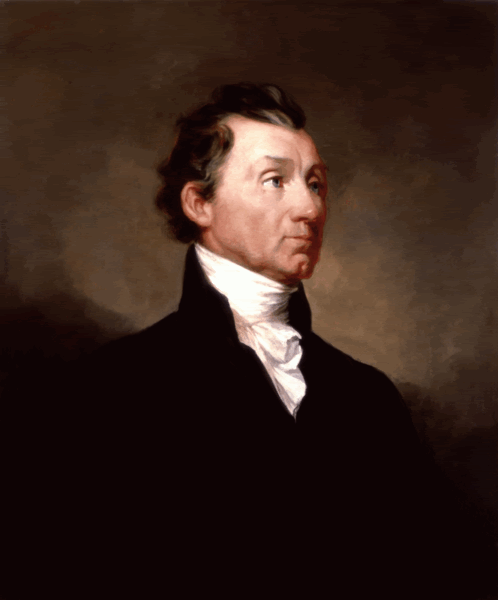
In 1817, James Monroe became the fifth President of the United States. He was the last Revolutionary War veteran and founding father to assume the Presidency. From an American Indian viewpoint, his presidential administration is important as it set the stage for Indian policies and for the administration of these policies which would guide the … Continued

By admin

Apache Prisoners of War

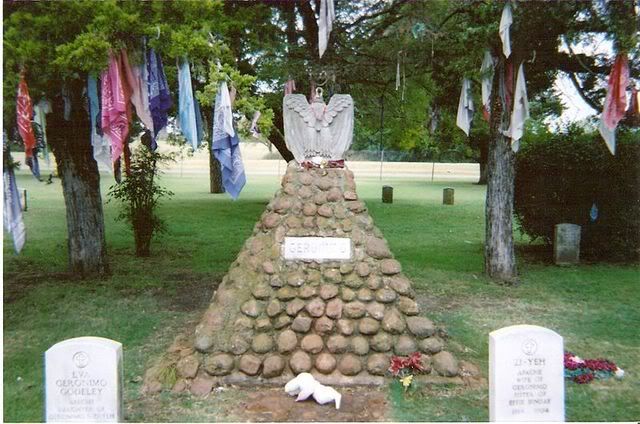
While the idea of “indefinite detention” of people determined to be “enemies” of the United States is currently being debated, for American Indians this is an old issue and one in which they have had a great deal of experience. In 1885, the Chiricahua Apache-men, women, and children-surrendered to the United States Army on the … Continued

By admin

Indian Words in English

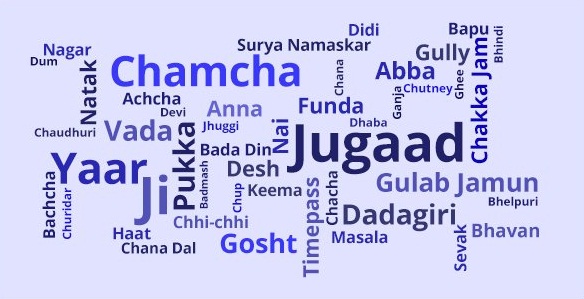
English really isn’t a Native American language, but virtually all of today’s Indians speak this as their first and primary language. During the past several centuries the English-speaking Europeans and their descendents who have come to occupy what is now the United States and Canada have consistently shown intolerance for other languages. Consequently, native languages … Continued

Indian Words in English

By admin

Navajo Sandpaintings

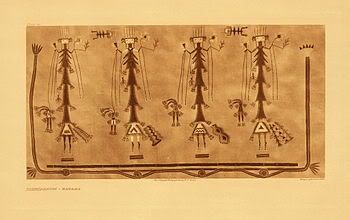
Most Navajo ceremonies are focused on health: on healing someone who is ill or on maintaining health. Navajo ceremonies, often referred to as “sings” or “chants,” are often a reenactment of the creation of the world through myth, song, prayer, and drama. The patient is placed in this recreated world which closely identifies the patient … Continued

By admin

The Black HIlls, 1950 to 1985

Following World War II, the United States decided that it wanted to sever its relationships with American Indian tribes. In order to do this, it needed to settle all possible legal claims which might arise out of its past dealings with the tribes. Thus, in 1946, Congress created the Indian Claims Commission to adjudicate all … Continued

The Black HIlls, 1950 to 1985