By admin

The Siouan Language Family

In the nineteenth century, European philologists (the nineteenth century term for historical linguists) began systematically comparing languages to create language family trees. Applying the comparative methods used to discover the Indo-European language family, linguists in North America began to group American Indian languages into language families. One of these is the Siouan language family. The … Continued
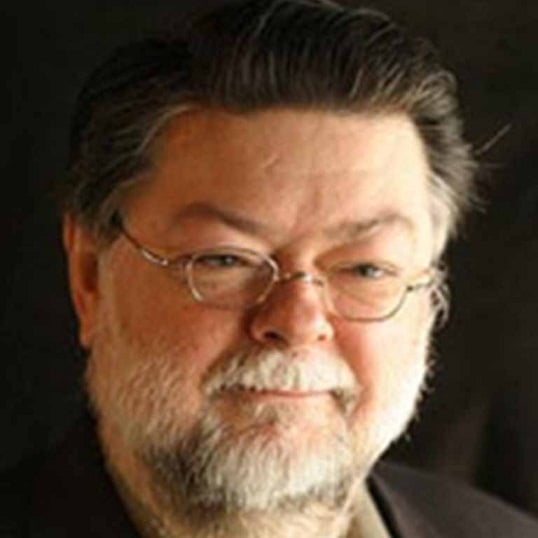
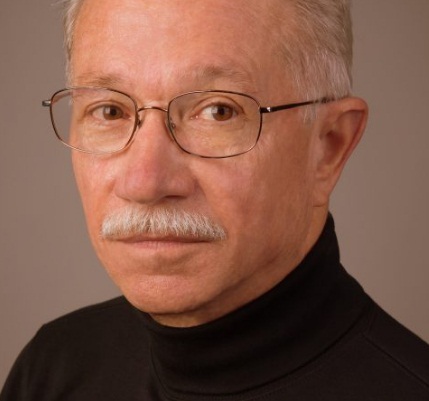
Raymond J. DeMallie

By admin

Pomo Feathered Baskets (Photo Diary)

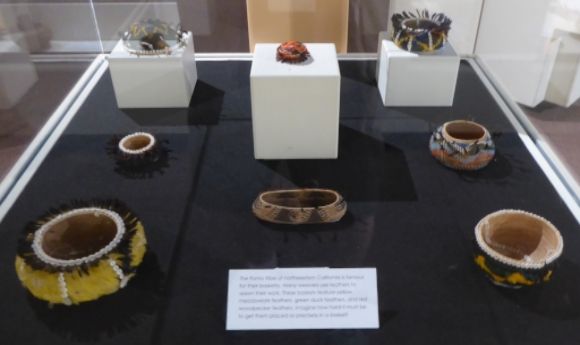
The aboriginal Pomo territory was about 50 miles north of present-day San Francisco. Pomo territory included the Pacific Coast and extended some distance inland as far as Clear Lake. Like other California tribes, they lived in small villages. There was no single Pomo tribe, rather, the designation “Pomo” groups together about 72 independent tribes. Some … Continued

By admin

Tomahawk Missiles and the South’s Devil’s Robe

Is it respectful for an oppressing force to name something after their victims’ weapons because it’s respectful, or is it respectful for an oppressing force to name something after their victims’ weapons because they claim it is? What about when the oppressors disguised themselves to deceive their enemy? An observer of the Boston Tea Party, … Continued

By admin

The Ktunaxa Nation (Photo Diary)

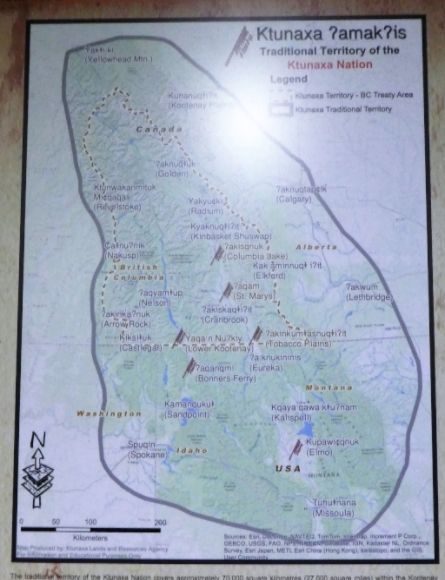
The Early History gallery of the Fort Steele Heritage Town Museum includes displays about the Ktunaxa Nation who had occupied the area for thousands of years prior to the arrival of Europeans. The map shown above shows the traditional Ktunaxa territory. According to the museum display: “Evidence of human existence in our area dates back … Continued

By admin

Four Centuries Ago (1618)

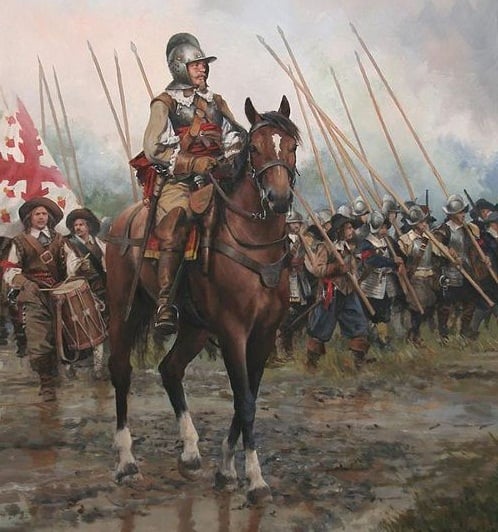
During the first part of the seventeenth century, conflicts and potential conflicts between American Indians and the invading Europeans increased. Enamored with the idea of gaining personal wealth through the exploitation of Indian lands, four European countries—France, England, Netherlands, and Spain—established permanent colonies in the Americas. Archaeologist Jerald Milanich, in his book Laboring in the … Continued

Archaeologist Jerald Milanich

By admin

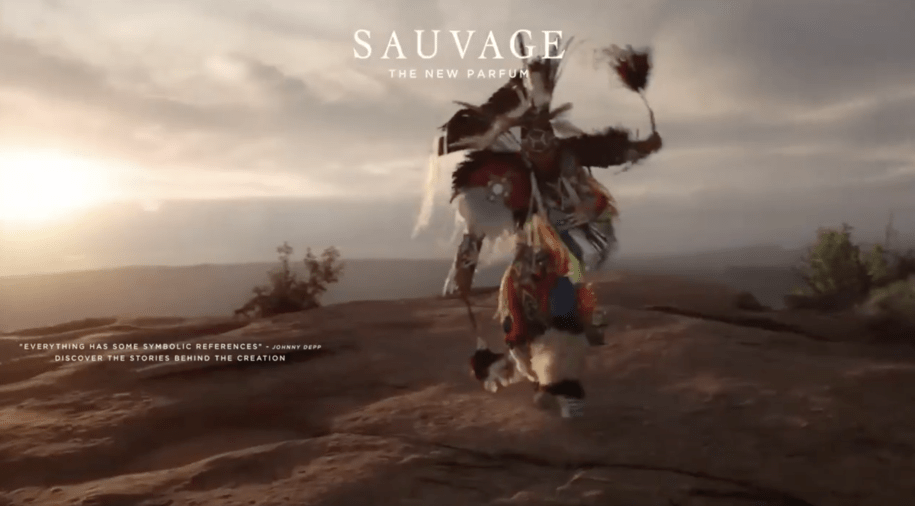
Not your ‘Sauvage’

A screenshot from Dior’s commercial. By Sarah Eagle Heart Imagine this. You are a 16-year-old girl at a promotional event in which scantily clad women wearing leather, fringe, and headdresses walk slowly around a fire to a tom-tom beat with tipis in the background. The headdressed men lift up one of the women, baring her … Continued

By admin

The Zuni and the Spanish in the 16th Century

For thousands of years, American Indian people in the Southwest farmed the land and built their villages, called pueblos by Spanish, with multi-story houses, plazas, and underground ceremonial chambers known as kivas. While the Pueblos are usually lumped together in both the anthropological and historical writings as though they are a single cultural group, they … Continued

The Zuni and the Spanish

By admin

The California Story Begins

One of the displays in the San Bernardino County Museum in Redlands, California, is entitled Sacred Earth and subtitled Understanding our past and honoring cultures that thrive today. The first section of this display looks at American Indian cultures between 16,000 years ago and 8,000 years ago. According to the Museum display: “Some archaeologists believe … Continued

By admin

The Wyers Collection at the Maryhill Museum (Photo Diary)

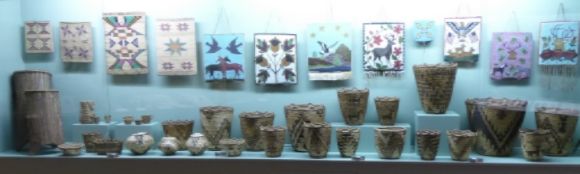
John Gerbrand Wyers (1871-1960) lived in White Salmon, Washington, where he had a hardware and general merchandise store. He purchased basketry, particularly works by the local Klikitat people and encouraged Indian weavers. His interest in Native art was the result of his relationship with Margaret “Maggie” Underwood Howell (Klickitat). The two were domestic partners, but … Continued