By admin

The Fur Trade in Northwest Montana, 1807-1835

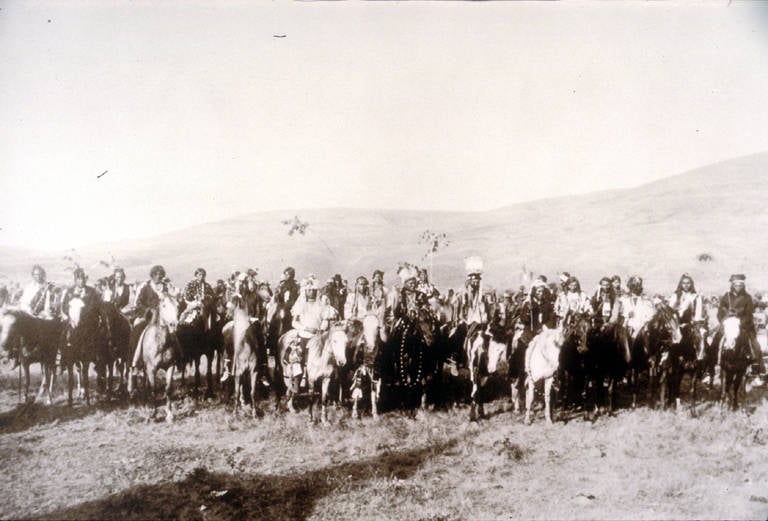
The Indian nations living west of the Rocky Mountains in what would become northwestern Montana, started to become a part of the European economic system in the first part of the nineteenth century through the fur trade. From 1800 to about 1835, beaver was of primary importance, driven in large part by European fashion. By … Continued

By admin

Columbia River Beadwork (Photo Diary)

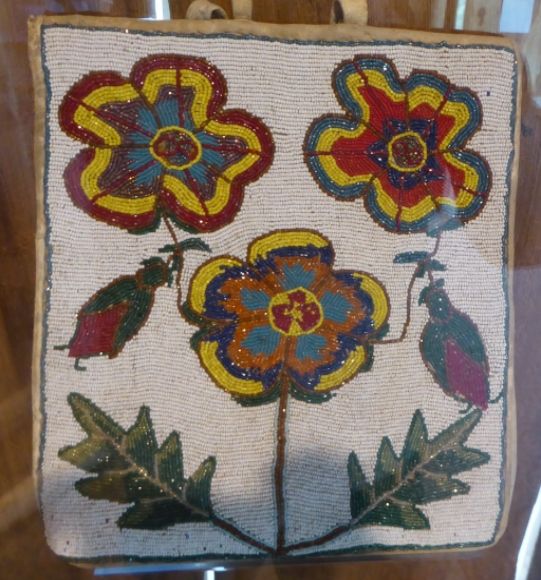
Today, the Columbia River marks the boundary between Oregon and Washington. The river was named for the ship Columbia Rediviva whose captain, John Gray, sailed into the area in 1792. Gray was the first of many Euroamerican fur traders who would invade the area over the next half century. American Indians had lived along the … Continued

By admin

Forced Sterilizations of Indigenous Women

What would the population of indigenous people be now, approximately three generations after the forced sterilizations? The Forced Sterilizations of indigenous women were covert means of the continuation of extermination policy against Indian Nations. At least three indigenous generations from 3,406 women are not in existence now as the result. The sterilizations were not unintentional … Continued

By admin

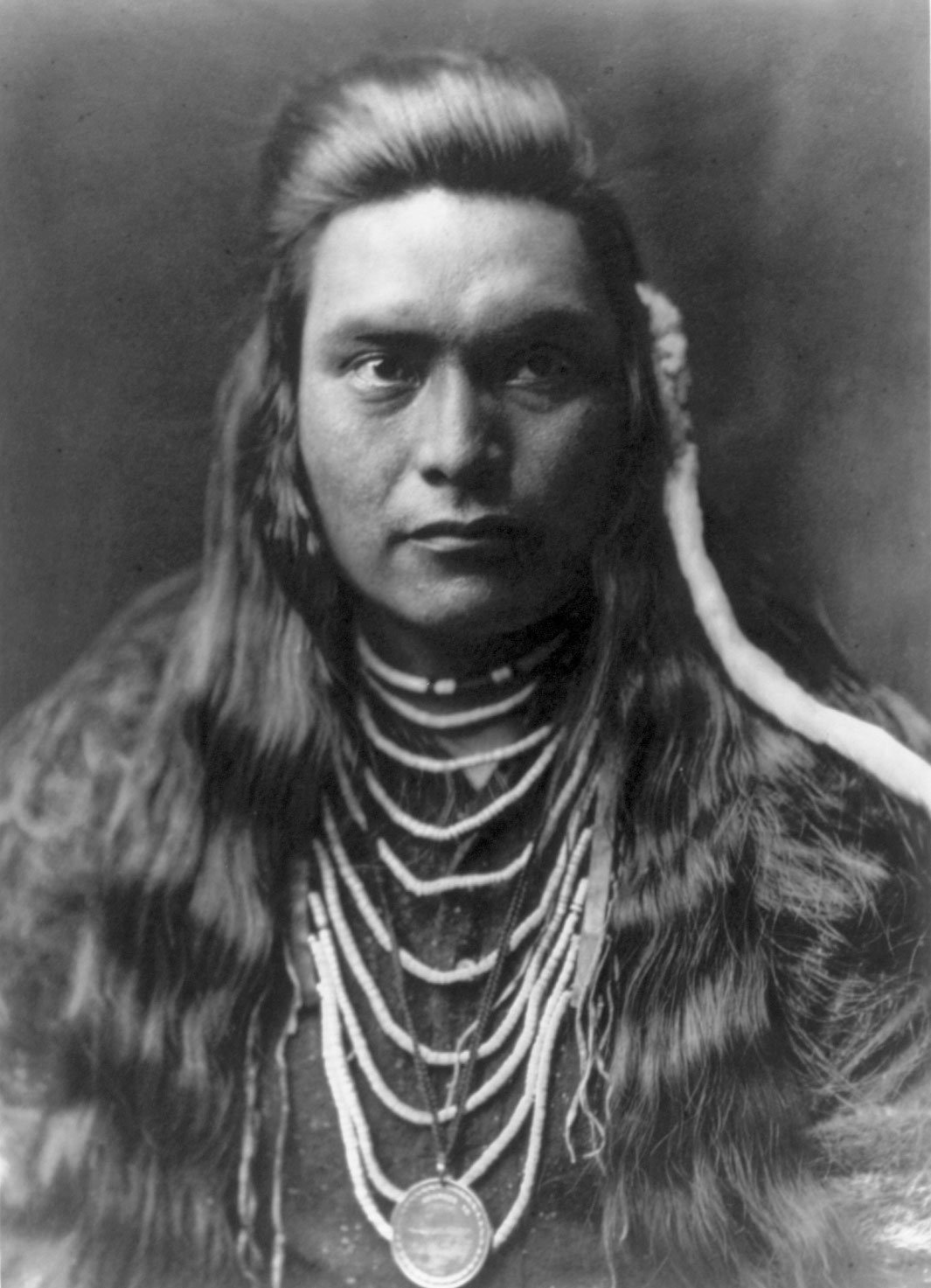
America’s Christian General vs the Nez Perce

As a Christian nation, the United States has never been comfortable with the idea that American Indians might have their own non-Christian religions or that Indian spiritual leaders could provide role-models for other Indians. Under the European notion of the Discovery Doctrine, the United States felt that it had a legal right to rule over … Continued

Nez Perce

By admin

Exploring Glass Art by Native Artists (Art Diary)

The Northwest Coast is a region in which an entrenched and highly valued artistic tradition flourished. Among the highly developed art traditions were basketry and carving. A special residency program at the Museum of Glass (MOG) in Tacoma, Washington, allowed traditional artists to explore the medium of Studio Glass. A special exhibit at MOG, entitled … Continued

By admin

Some old Indian photographs (photo diary)

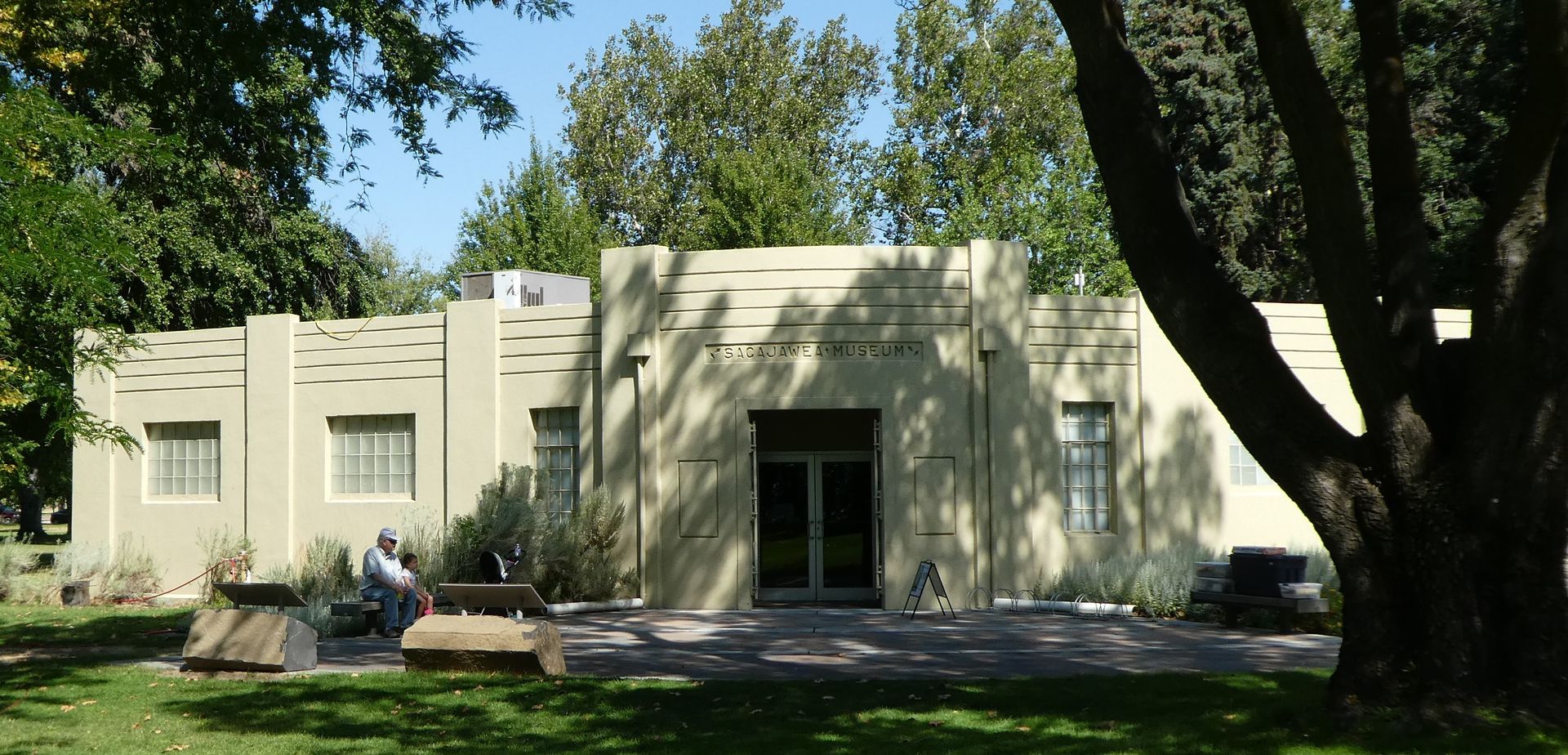
Washington’s Sacajawea State Park is located at the confluence of the Snake and Columbia Rivers. In explaining the cultural and historical significance of this place, many historic photographs of Indians are on display in the park and in the Sacajawea Museum which is located in the park. The Museum is shown above. According to one … Continued

By admin

Cahuilla Basketry (Photo Diary)

Like all California Indian tribes, the Cahuilla created baskets which were both practical and aesthetically pleasing. In their book The Cahuilla Indians of Southern California, Lowell Bean and Harry Lawton write: “The Cahuilla endeavored to create beauty in day-to-day projects and in objects which had religious meaning.” Lowell Bean and Harry Lawton also report: “A … Continued

By admin

American Indians in 1617

By 1617, four European nations—Spain, France, England, and the Netherlands—were staking their claims in North America through exploration and colonization. Archaeologist Jerald Milanich, in his book The Timucua, describes the reasons for the European expansion into North America: “The driving force behind these initiatives was a desire for wealth: precious stones or metals, fertile lands … Continued

By admin

Imposing Laws on the Nez Perce

Since the very beginning of the European invasion of North America, Europeans have been guided by an arrogant worldview in which they considered themselves superior to all other peoples and they therefore had the right, given to them by their god, to impose their way of life on other people. In the nineteenth century, this … Continued

Nez Perce War