By admin

Voluntary Associations Among the Omaha Indians

Many American Indian nations had formal groups which cross-cut kinship ties. These formal groups, known as voluntary associations, sodalities, warrior societies, military societies, and healing societies, had names, membership rules, and even their own special ceremonies. Among the Omaha there were two kinds of voluntary associations: (1) social groups, and (2) secret societies. Included in … Continued
By admin

The Cherokee in 1817

When the Europeans began their invasion of the Americas, the Cherokee were an agricultural people whose villages could be found throughout the American Southeast. By the first part of the nineteenth century, the Cherokees had had enough experience in dealing with the American government that they understood that they needed to have a unified government. … Continued

By admin

Children Among the Indian Nations of the Great Basin

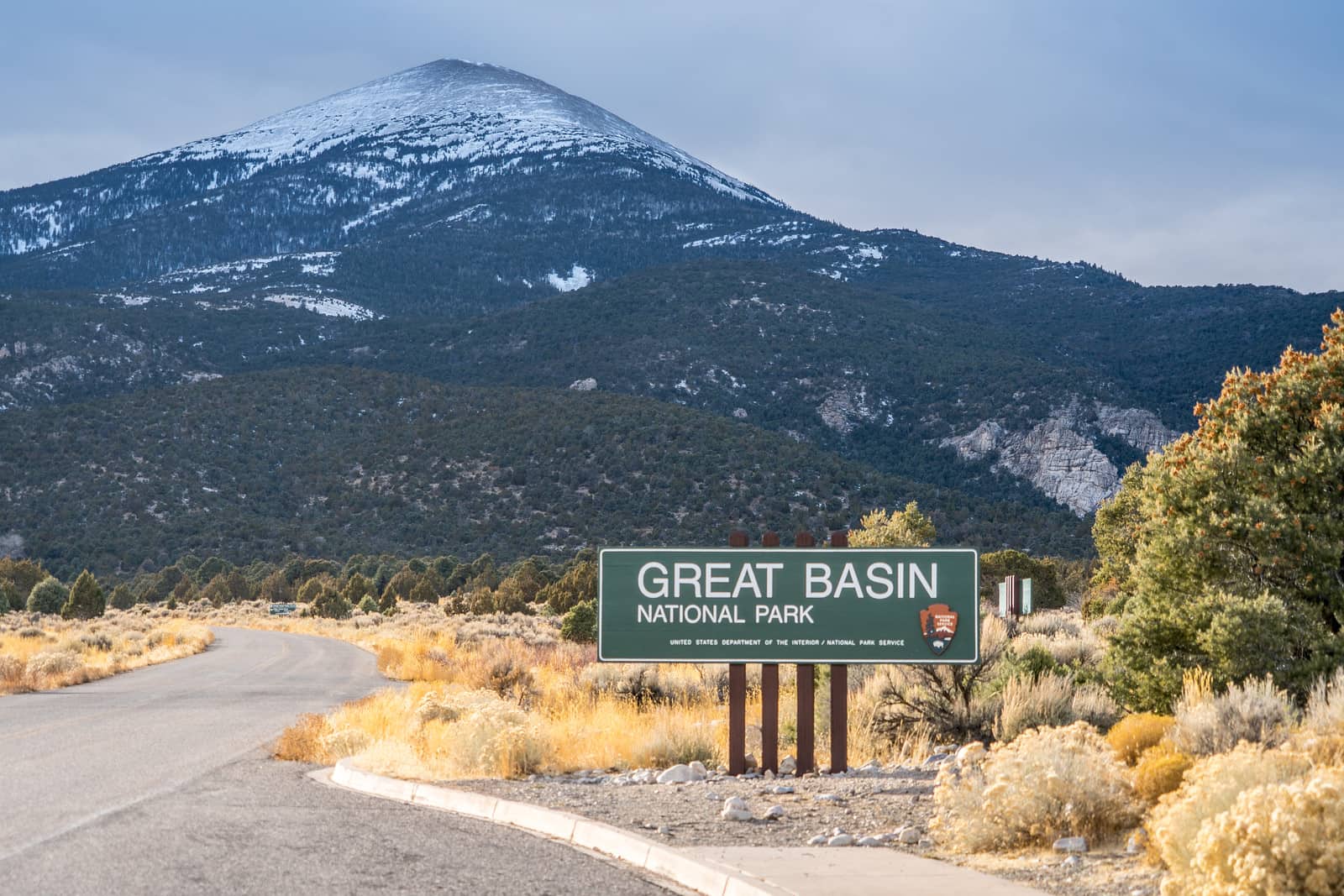
The Great Basin Culture Area includes the high desert regions between the Sierra Nevada and the Rocky Mountains. It is bounded on the north by the Columbia Plateau and on the south by the Colorado Plateau. It includes southern Oregon and Idaho, a small portion of southwestern Montana, western Wyoming, eastern California, all of Nevada … Continued

By admin

Marriage Among the Indian Nations of the Great Basin

The Great Basin Culture Area includes the high desert regions between the Sierra Nevada and the Rocky Mountains. It is bounded on the north by the Columbia Plateau and on the south by the Colorado Plateau. It includes southern Oregon and Idaho, a small portion of southwestern Montana, western Wyoming, eastern California, all of Nevada … Continued

By admin

A Brief Overview of Cherokee Culture

When the Europeans began their invasion of the Americas, the Cherokee were an agricultural people whose villages could be found throughout the American Southeast. In his book In the Courts of the Conqueror: The 10 Worst Indian Law Cases Ever Decided, Walter Echo-Hawk describes it this way: “The aboriginal Cherokee homeland extends throughout the mountainous … Continued

By admin

A Short Overview of the Potawatomi Indians

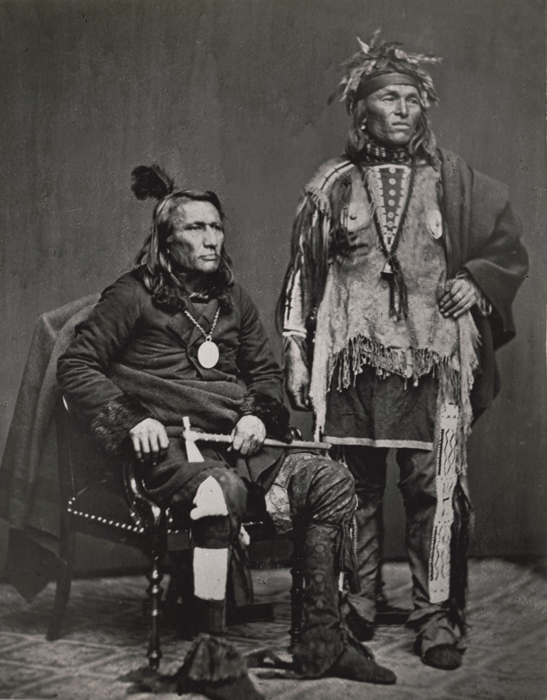
The Potawatomi were one of several Algonquian-speaking Indian nations which inhabited the western portion of the Northeastern Woodlands culture area. Among the Algonquian-speaking people of the western Great Lakes area, farming was of secondary economic importance (hunting and gathering were of greater importance) and contributed less than half of their food. As with the other … Continued

Indians

By admin

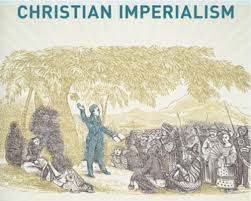
Christian Imperialism

One example of religious imperialism can be seen in the era following the Age of Discovery which began in the fifteenth century. European kings, and later the United States, used a legal fiction known as the Doctrine of Discovery to justify their acquisition of new territories outside of Europe. Following this doctrine, Christianity is seen as superior to … Continued

By admin

Cherokee Spirituality

Among the Cherokee, spirituality (religion) was embedded into everyday life and was not seen as something apart. In her book Cherokee Women: Gender and Culture Change, 1700-1835, historian Theda Perdue writes: “The Cherokees did not separate spiritual and physical realms but regarded them as one, and they practiced their religion in a host of private … Continued

Spirituality

By admin

The Traditional Cherokee Family

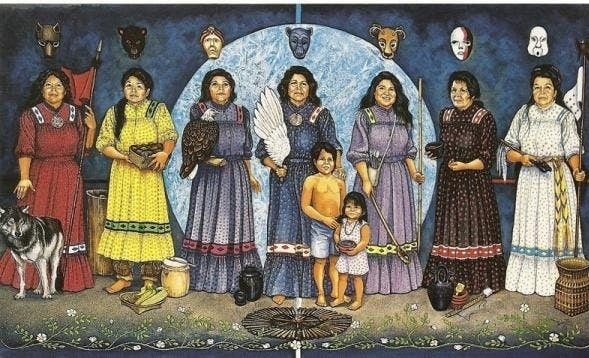
When the Europeans began their invasion of the Americas, the Cherokees were an agricultural people whose villages could be found throughout the American Southeast. Cherokee families were based on matrilineal clans. Matrilineal clans are extended family groups with names, tradition, and oral history. Membership in each clan is through the mother: you belong to your … Continued

By admin

The Omaha Family

Anthropologists have long used the Omaha as the classic example of a family structure which is centered around a patrilineal clan. The Omaha clan is a named, extended lineage in which members observe common restrictions concerning food and have certain ritual obligations because of clan membership. Clans were exogamous, meaning that one could not marry … Continued