By admin

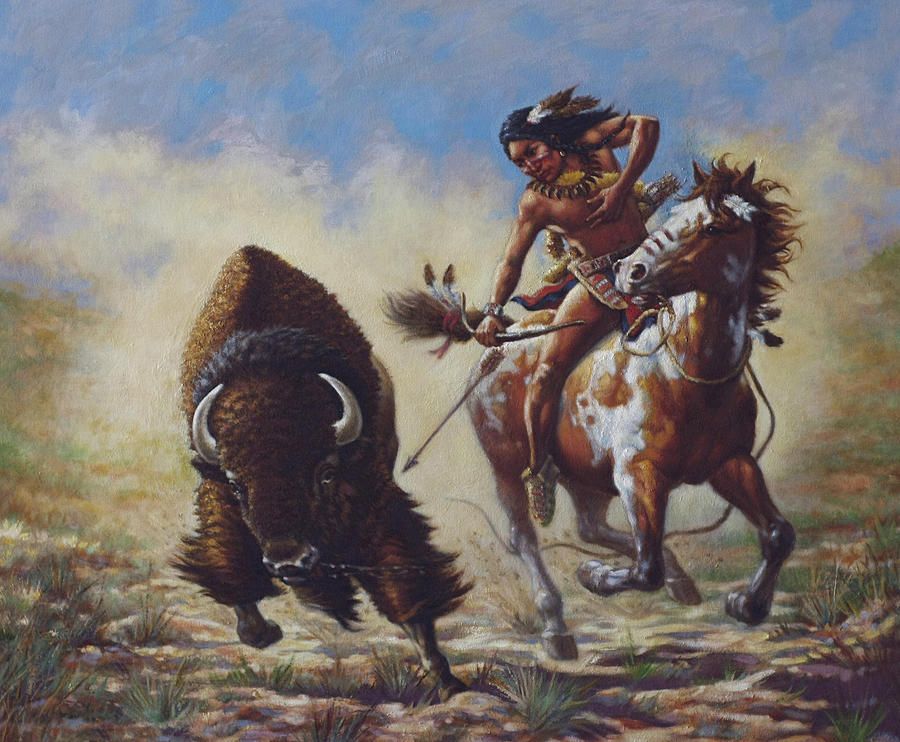
Buffalo Hunting Among Northern Plains Indians Prior to the Horse

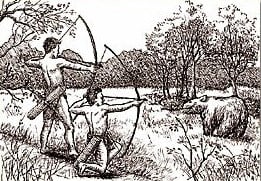
For thousands of years, the Indian nations of the Northern Plains relied upon the buffalo—technically bison, but commonly called buffalo—for food, for clothing, for shelter, and for tools. Before the coming of the horse, buffalo were hunted using either a buffalo jump or a corral. The corral or impound method involved building a timber corral … Continued
By admin

A Brief Overview of the Illinois Indians

Today, the Illinois Indians are known primarily as the Indian nation whose name is used for both a state and a river. Their aboriginal territory was extensive and was situated south of the Great Lakes and east of the Mississippi River. The southern border of their territory was on the Ohio River and the northern … Continued

By admin

Women Warriors Among Northern Plains Indians

The popular media and sometimes history book view of the Northern Plains Indians of the nineteenth century envisions a male warrior, mounted on a horse, wearing a long war bonnet. There are many things wrong with this stereotype, but what is usually missing from the non-Indian descriptions of Northern Plains Indian warfare is the fact … Continued

By admin

A Brief Overview of the Assiniboine Indians

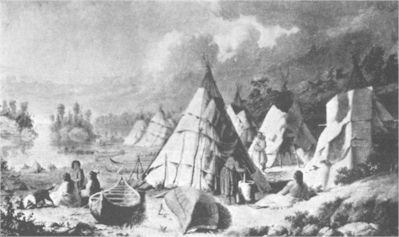
Like most of the Indian nations that are currently associated with the Northern Great Plains, the Assiniboine migrated out on the Plains after the European invasion and its fur trade began pushing Native peoples to the west. The Assiniboine spoke a Siouan language and at one time they had been a part of the Yanktonai … Continued

By admin

A Brief Overview of the Creek Indians

The designation “Creek” is a European concept which emerged during the eighteenth century to designate the Indian people who were living along the creeks and rivers in Alabama, Georgia, and northern Florida. While these people have a cultural continuity which reaches back to the mound building cultures of this area, the concept of a Creek … Continued

By admin

Maine Indians and Early European Explorers and Fishermen

While the Indian nations in what is now Maine may have had some limited contact with Europeans as early as 1480, regular contact began in the sixteenth century and intensified during the first half of the seventeenth century. During this time, the Indians began to incorporate aspects of European culture, such as trade goods, into … Continued

By admin

Southeastern Indian Hunting

While the Indian nations of the American Southeast were an agricultural people, they used hunting to supplement their diet. Just as these nations held their agricultural lands in common, so too were hunting territories held in common. While agricultural lands were assigned to clans or family lineages, there was no assignment of use rights for … Continued

By admin

Colonists and Missionaries in Maine

By the beginning of the seventeenth century, the French and English were turning from the exploration of what is now Maine to establishing colonies and converting the Indians to Christianity. The Europeans assumed that Christianity gave them superior rights to both land and resources. The idea that the Native peoples of Maine might any rights … Continued

By admin

Huron History, 1535 to 1648

The Huron, an Iroquoian-speaking people whose traditional homeland was north of the Great Lakes, were a confederacy of four major tribes: Bear, Rock, Barking Dogs, and White Thorns (also known as Canoes). The people called their confederacy Wendat or People of the Peninsula. They were given the name Huron by the French. The first contact between … Continued

By admin

Indian Affairs in 1966

Just fifty years ago—1966—American Indian affairs in the United States was still being guided in part by a philosophy of termination: that is, dissolving American Indian governments and making Indians assimilate into the larger non-Indian culture. American Indians for the most part weren’t cooperating with this termination philosophy and still insisted that they had a … Continued