By admin

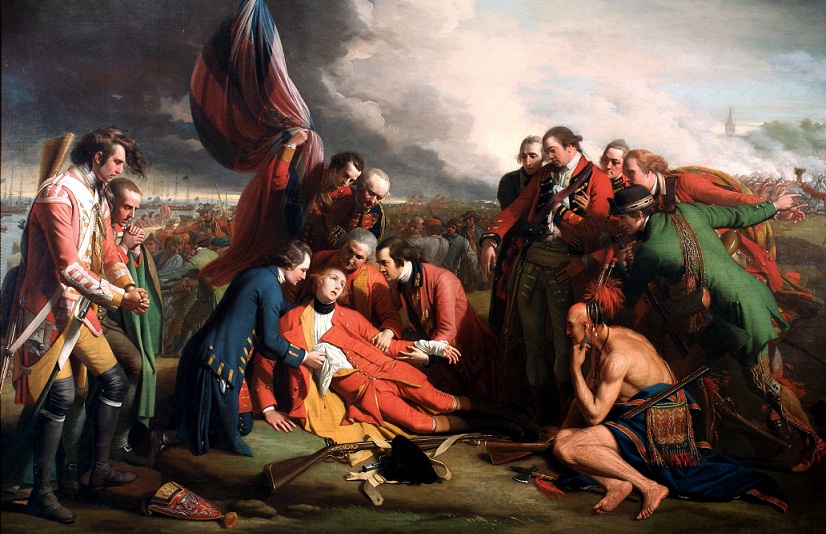
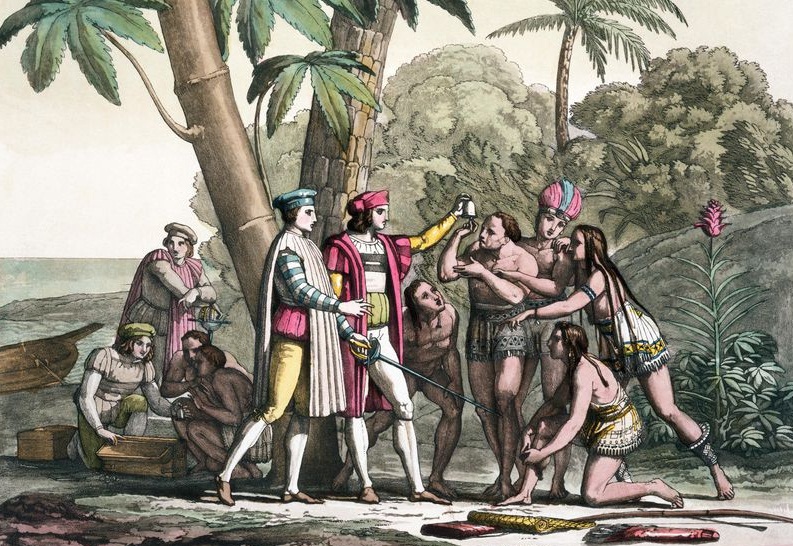
Honoring and Celebrating Genocide

Cultural genocide is a concept expressed by many Native Americans to describe the deliberate destruction of American Indian languages, religions, ways of dress and housing, and interpersonal relations by the invading European powers and by the United States. Cultural genocide has led to the deaths of many American Indians either through deliberate murder or as … Continued
Honoring and Celebrating Genocide

By admin

Ancient America: The Columbia Plateau, 2000 BCE to 500 BCE

The area between the Cascade Mountains and the Rocky Mountains in Washington, Oregon, Idaho, British Columbia, and Western Montana is known as the Plateau Culture area. From north to south it runs from the Fraser River in the north to the Blue Mountains in the south. Much of the area is classified as semi-arid. Part … Continued

The Columbia Plateau

By admin

Ancient America: Corn, Beans, Squash

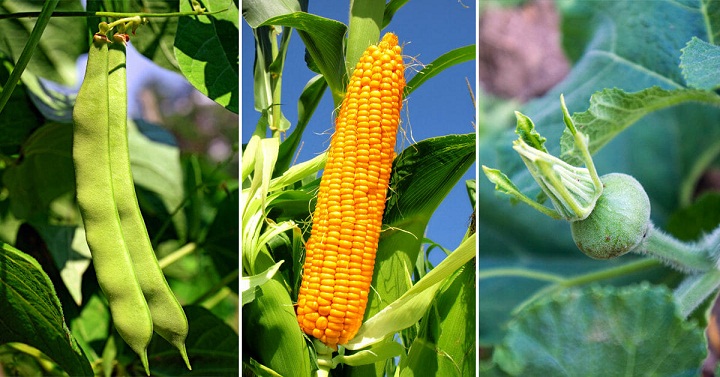
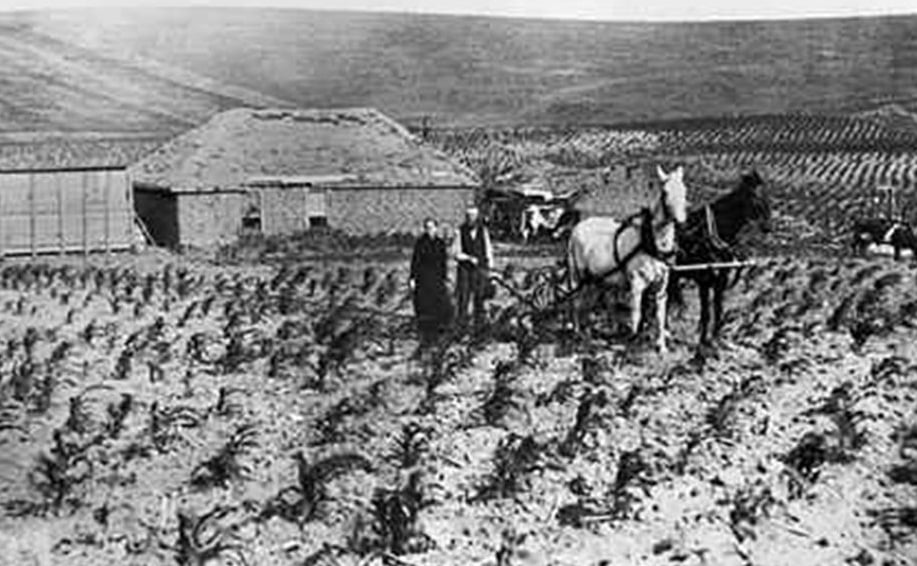
The domestication of plants is something that happened independently in many different regions of the world. The domestication of plants marks a fundamental change in the way people interact with and perceive their environment. Domestication is basically evolution which has been directed through human intervention. By the time of the European invasions in the sixteenth … Continued

Corn, Beans, Squash

By admin

Pontiac’s War

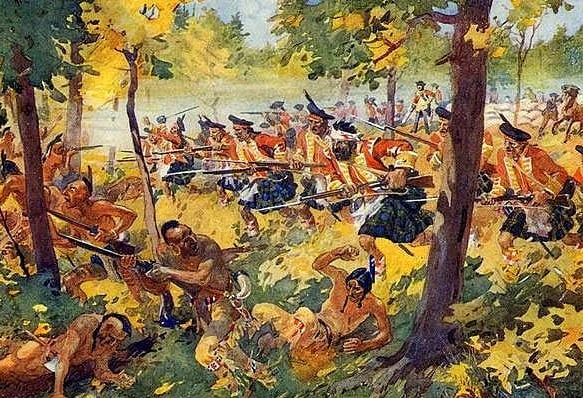
In 1763, the Ottawa leader Pontiac led an alliance of Indian nations in the Ohio Valley in a war of resistance against the British. In defeating this Indian alliance, the British turned to biological warfare in the form of smallpox. Pontiac was probably born about 1720 along the Maumee River in what is now Ohio. … Continued

Pontiac’s War

By admin

The Horse and the Plateau Indians

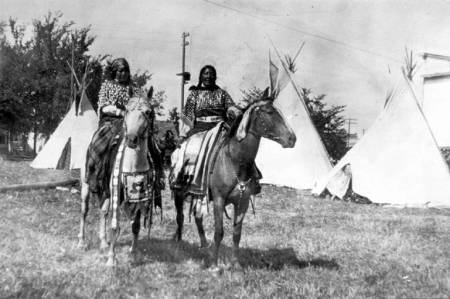
The stereotype of the American Indian adopted by the entertainment industry and by some educational textbooks is based on the horse-mounted, buffalo hunting Plains Indians of the nineteenth century. However, the Plains Indians were not the only ones to adopt the horse and the lifestyle changes that came with it. The Indian nations in the … Continued

The Horse and the Plateau Indians

By admin

Early Oregon Sites

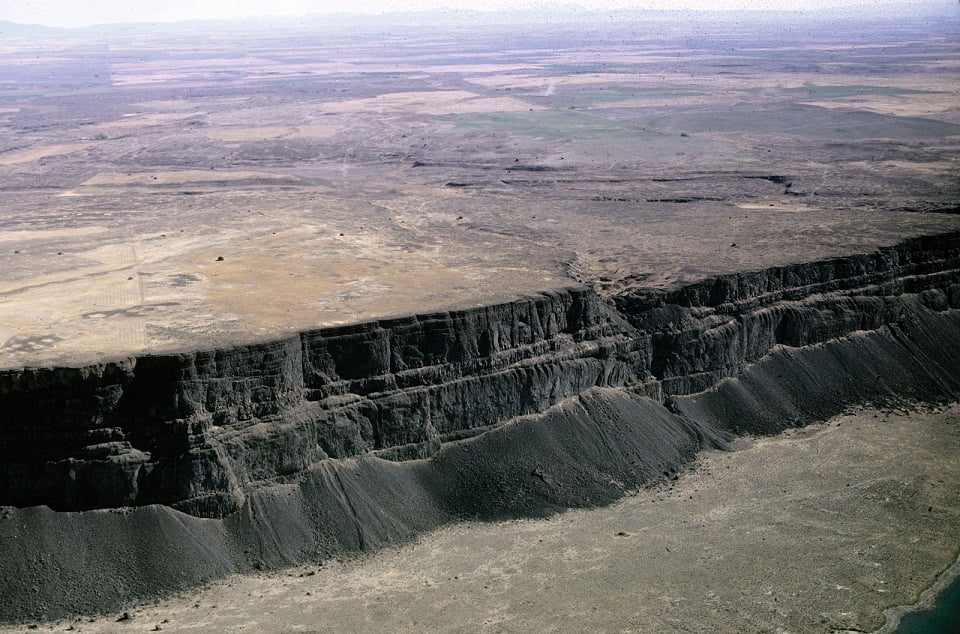
The earliest period of human occupation in the Northern Great Basin region of Oregon is called the Paisley Period by archaeologists. The period, which is tentatively dated from about 15,700 years ago to 12,900 years ago, is named after the Paisley 5 Mile Point Caves site (35LK3400) near Summer Lake. During the Paisley Period, Native … Continued

Paisley Period by archaeologists

By admin

The Lake Mohonk Conference

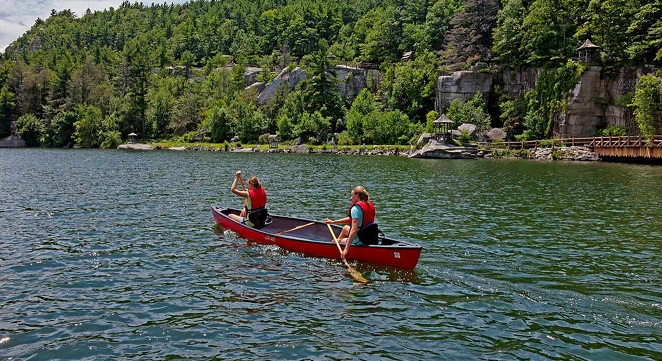
Wealthy people often feel that they know what is best for poor people. From 1883 through 1916, a small group of wealthy philanthropists, who referred to themselves as Friends of the Indian, met annually to discuss American Indian policies. As wealthy men, they had access to Congress, to the President, and to high ranking members … Continued

The Lake Mohonk

By admin

Newfoundland Natives and Early European Invaders

Newfoundland is the world’s sixteenth-largest island and Canada’s fourth-largest. During the more than six centuries of European exploration prior to the establishment of the English colony at Cuper’s Cove in 1610, who lived on the island and utilized its resources included the Beothuk, Mi’kmaq, and Dorset Inuit. The Europeans—Norse, Basque, French, Portuguese, and English—came to … Continued

Ancient Newfoundland and Labrador

By admin

The Mandans, Farmers on the Northern Plains

While the most common stereotype of Plains Indians brings forth an image of horse-mounted buffalo-hunting nomads living in tipis, many of the Plains Indian nations were farmers who lived in permanent villages and raised crops of corn (maize), beans, and squash. The Mandans were among the earliest farming nations on the Northern Plains. Their villages … Continued

Farmers on the Northern Plains

By admin

American Indians in 1915

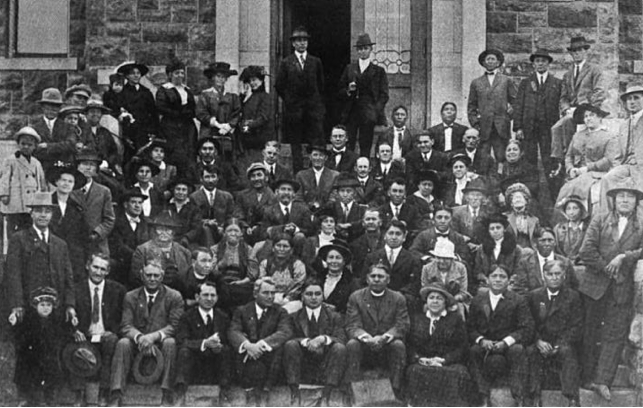
One hundred years ago, in 1915, most Indians were not citizens even though U.S. policies called for the full assimilation of Indians and the total destruction of the tribal lifestyles. At the same time, there were a number of prominent Indian voices—Indian people who were writing books, directing museums, and organizing Indian groups. Outlined below … Continued

American Indians in 1915