By admin

Suquamish Canoes (Photo Diary)

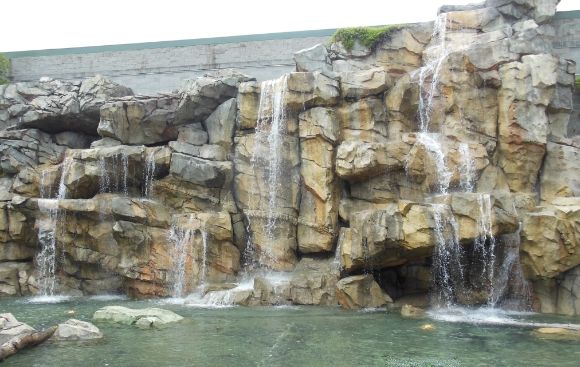
The Northwest Coast culture area is oriented toward water: both the ocean and the many rivers flowing into it. Before the coming of the Europeans, the villages were built near water, either on the sea coast or on a river. Transportation was primarily by water. Distances were measured by how far a canoe could travel … Continued
By admin

Non-Indians and the Makah, 1788 to 1855

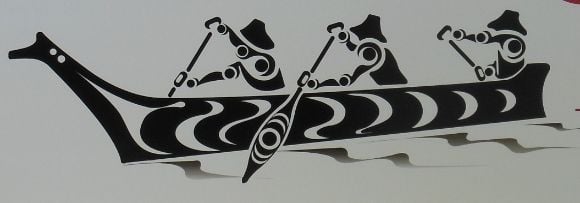
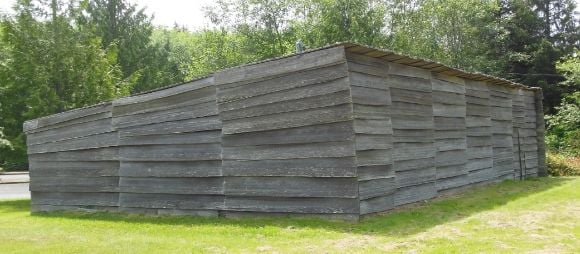
Non-Indians first encountered the Makah in 1788 when the British sloop Princess Royal anchored at the Makah village of Classet on Washington’s Olympic Peninsula. The Makah, who occupy the western-most part of what is now the lower forty-eight states of the United States, had lived in this territory for thousands of years. Unlike the other … Continued

By admin

Traditional Indian Leadership and Harmony

An important part of daily life among many traditional American Indian people was-and for many still is-the maintenance of harmony. Harmony is about living with other human beings and non-human beings, about living with the environment, and about living within the physical limitations of your own body.   Living in harmony with other human beings … Continued

By admin

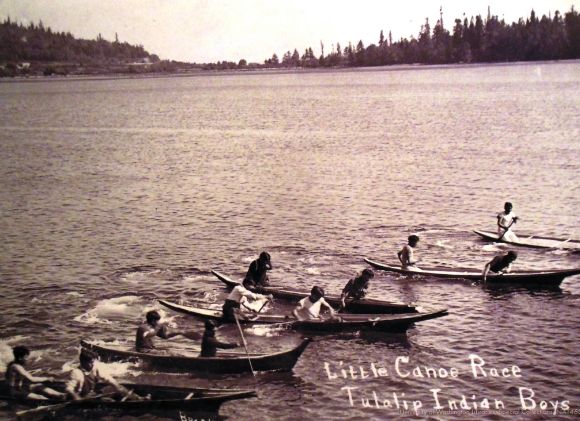
Tulalip Canoes (Photo Diary)

For the Salish-speaking tribes of the Washington coast, canoes were traditionally not only their most important form of transportation, they were also cultural icons. The Hibulb Cultural Center and Natural History Preserve honors the Tulalip (Snohomish, Snoqualmie, Skykomish, and others) cultures. The importance of canoes to the Tulalip peoples is evident in the Hibulb Culture … Continued

By admin

Suquamish Art (Photo Diary)

The Northwest Coast is a region in which an entrenched and highly valued artistic tradition flourished and continues to flourish. The Suquamish are the people of the clear salt water. For more than 10,000 years they have occupied that area known today as the Kitsap Peninsula, Bainbridge Island, Blake Island, and parts of Whidbey Island … Continued

By admin

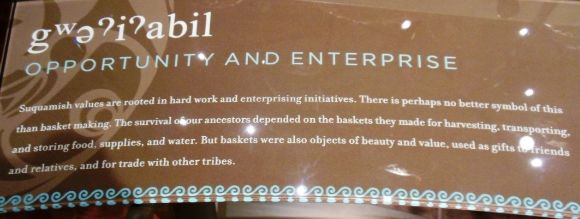
Suquamish Basketry (Photo Diary)

The Northwest Coast is a region in which an entrenched and highly valued artistic tradition flourished and continues to flourish. The Suquamish are the people of the clear salt water. For more than 10,000 years they have occupied that area known today as the Kitsap Peninsula, Bainbridge Island, Blake Island, and parts of Whidbey Island … Continued

By admin

Ancient America: Tulalip Archaeology

The Hibulb Cultural Center and Natural History Preserve has several displays of artifacts found during the archaeological excavation of sites occupied by their ancestors. While it is not a part of the Tulalip cultural beliefs to uncover ancestral remains or ancient village sites, the Hibulb Cultural Center and Natural History Preserve was gifted these artifacts … Continued

By admin

The Suquamish Museum (Photo Diary)

The area along the Pacific Coast north of California and between the Cascade Mountains and the ocean, is the home to many Indian nations who traditionally based their economy on the use of sea coast and river ecological resources. The Suquamish are the people of the clear salt water. For more than 10,000 years they … Continued

By admin

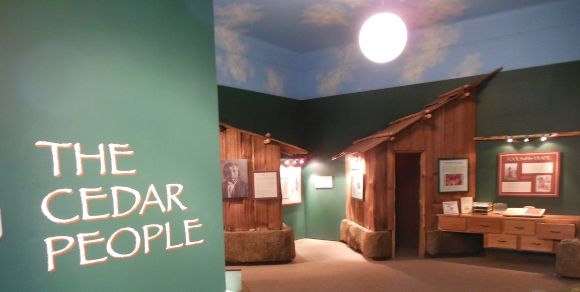
The Cedar People (Photo Diary)

The Heritage Museum in Astoria, Oregon has one gallery devoted to displays and interpretation of the Native peoples of the Columbia River: Clatsop, Chinook, Kathlament, Klatskanie, and Tillamook. The Clatsop occupied the areas of Astoria, Warrenton, and down the coast to Seaside. The Klatskanie lived inland along the coastal range. The Kathlamet lived farther upriver. … Continued

By admin

Tulalip Fountains (Photo Diary)

For the tribes of the Tulalip Reservation-Snohomish, Snoqualmie, Skykomish, and others-water has been an important economic, cultural, and spiritual resource. Shown below are some of the fountains featuring water from a Tulalip cultural perspective.