By admin

Woven History, Part 1 (Photo Diary)

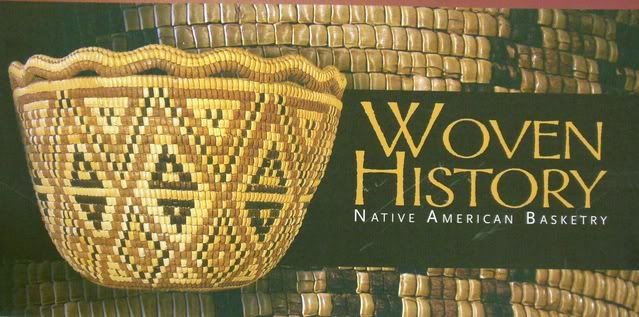
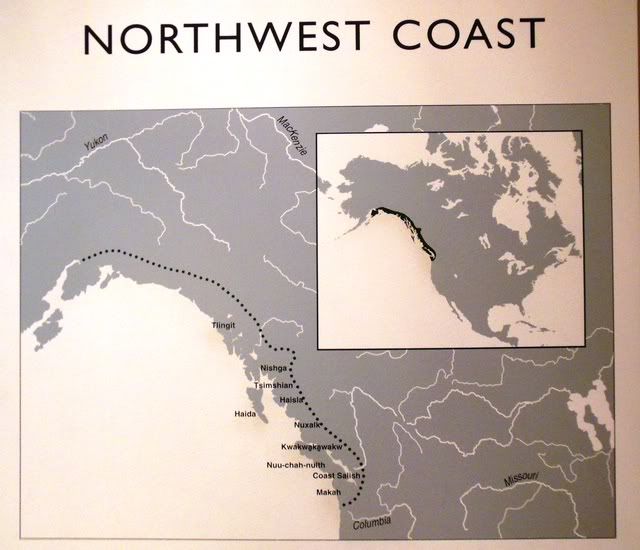
Old baskets are fascinating. They reflect traditions and skills, as well as changes to culture and lifestyle. They speak to us from the past and can tell us much about the weaver’s life and society’s values. The display of Native American baskets at the Clark County Historical Museum in Vancouver, Washington, includes baskets from many … Continued
By admin

Woven History, Part 1 (Photo Diary)

Old baskets are fascinating. They reflect traditions and skills, as well as changes to culture and lifestyle. They speak to us from the past and can tell us much about the weaver’s life and society’s values. The display of Native American baskets at the Clark County Historical Museum in Vancouver, Washington, includes baskets from many … Continued
By admin

Northwest Coast Masks and Headdresses (Photo Diary)

The people of the Northwest Coast, particularly those in the Northern and Central portions of this culture area, are well known for their ceremonial masks. Masks are made from wood, primarily cedar and occasionally maple, which is then painted with three primary colors: black or blue, red, and white. These masks are both art objects … Continued

By admin

Arctic Art (Photo Diary)

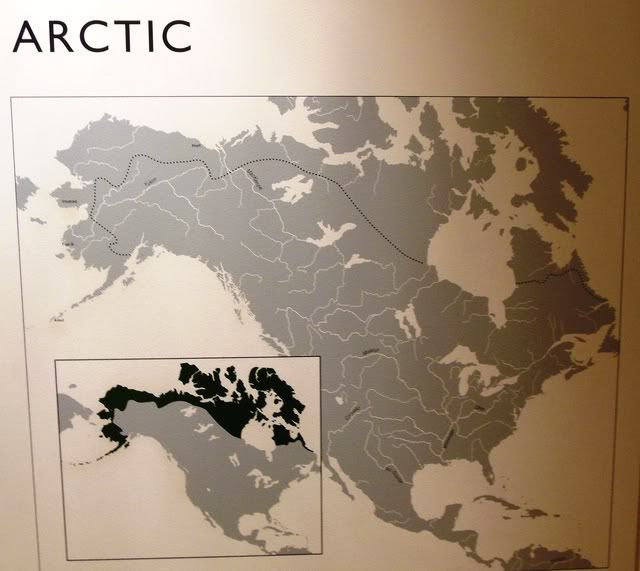
The Arctic Culture Area spreads across northern North America and is an area which can be described as cold desert. It is a region which lies above the northernmost limit of tree growth. The area has long, cold winters and short summers. During the summer, the tundra becomes boggy and difficult to cross. Shown below … Continued

By admin

Henry Roe Cloud, Winnebago Educator

Henry Cloud was born in 1884 (1882 or 1886 according to some sources) to the Winnebago Bear Clan (or possibly the Bird Clan) on the reservation in northeastern Nebraska. His tribal name was Wo-Na-Xi-Lay-Hunka (“War Chief”). At the age of seven he was conscripted by the Indian police and sent to the Genoa Indian School, … Continued

By admin

The Give-Away

In 1884, the United States government formally outlawed all Indian religions. Part of the rationale behind the banning of Indian religions was the concern expressed by Indian agents, Christian missionaries, and the Christian philanthropists of the Lake Mohonk Conference regarding the American Indian practice of giving away their material possessions. Many non-Indians were scandalized by … Continued

American Indian Religions

By admin

The Meriam Report

The policies of the United States regarding American Indians have generally been based on two interlocked approaches: ideological and theological. During the nineteenth and much of the twentieth century, Indian affairs were guided by an ideology based on the concept of private property and a theology based on Christianity. Thus the formation of  Indian policies … Continued

By admin

The Hoover Commission

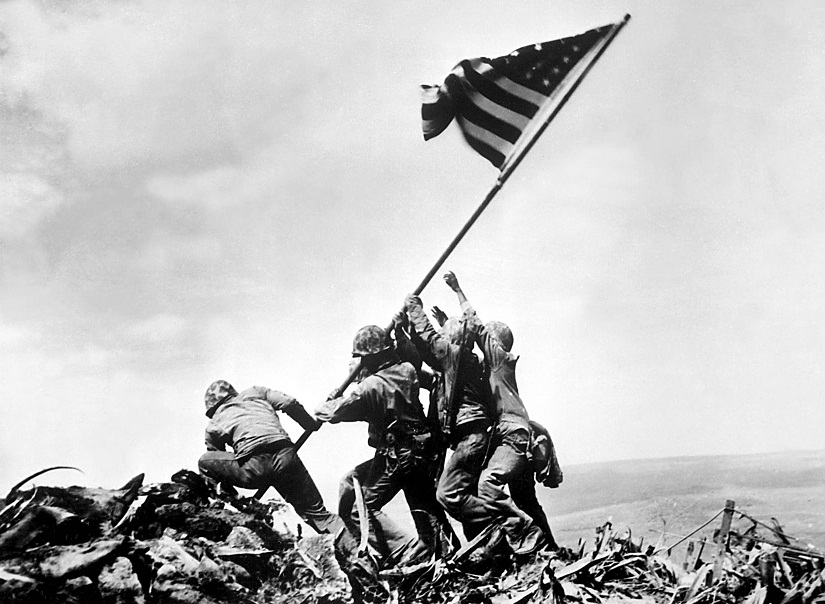
Following World War II, the United States was facing an enormous debt created by the war and by the recovery from the Great Depression. As Congress met and pondered in its great wisdom how to reduce the debt and reduce government services, many politicians began to look at the poorest people in the United States: … Continued

World War II, the United States

By admin

1913

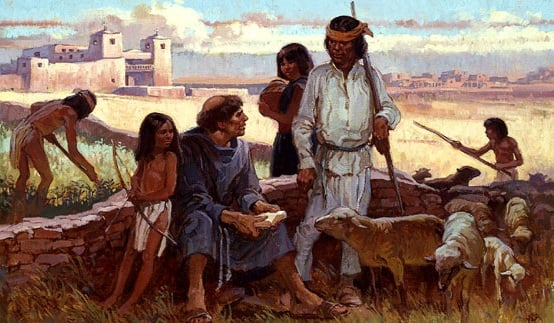
One hundred years ago, the primary thrust of American policies with regard to American Indians was assimilation. The goal at this time was to assimilate Indians into the mainstream of American society, to break up the tribes and their reservations, and to continue the process of transferring Indian wealth, in the form of land, from … Continued

The Pueblos

By admin

Reservation Poverty

Estimating the economic well-being of American Indians is a complex task. In general, American Indians tend to have higher poverty rates, higher unemployment rates, and lower educational achievements that other Americans. However, the picture is complicated by the fact that some Indians live on reservations and some don’t. The poverty rates on reservations are significantly … Continued

Reservation Poverty