American Indians and the Korean War
The Korean War began on June 25, 1950 and ended on July 27, 1953. As with other twentieth century wars, American Indian men did not … Continued
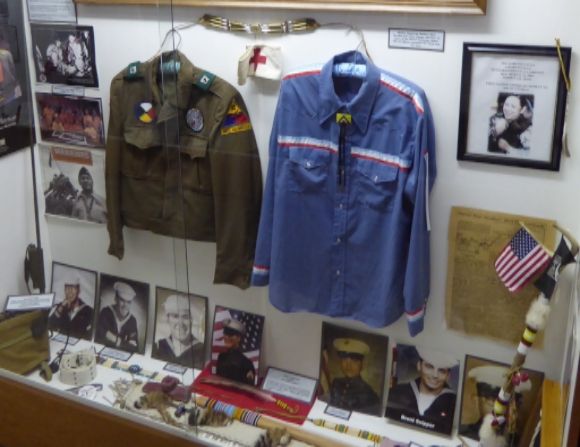

The Korean War began on June 25, 1950 and ended on July 27, 1953. As with other twentieth century wars, American Indian men did not … Continued
In 1884, the Ktunaxa (Kootenay, Kootenai, Kutenai) Indians in British Columbia were to receive a reserve on the St. Mary’s River. However, as the area’s … Continued

The High Desert Museum in Bend, Oregon, has a replica of Doris Bounds’ Peace Pipe Museum in Hermiston, Oregon. This museum exhibited her collection from … Continued
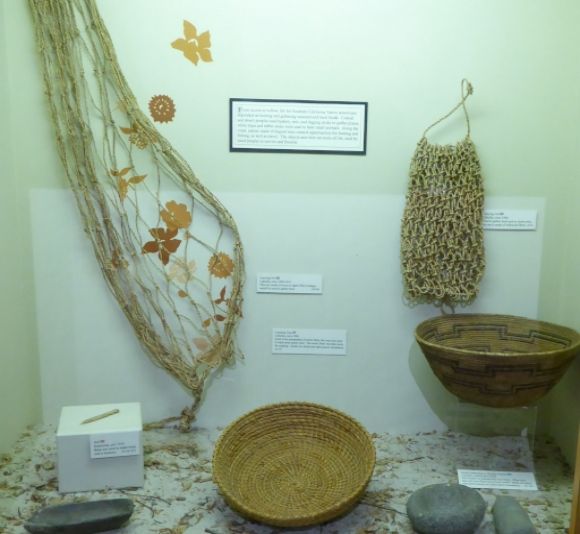
Subsistence refers to how people obtained the calories which are needed to sustain life. Subsistence patterns are determined, in part, by the environment and the … Continued
The Underwood family of Underwood, Washington, is descended from the marriage of the daughter of Cascade chief Chenowuth with a U.S. Army officer. At an … Continued

Since the beginning of time, according to tribal oral traditions, the people have lived along the Columbia River and its tributaries in the Columbia Plateau. … Continued
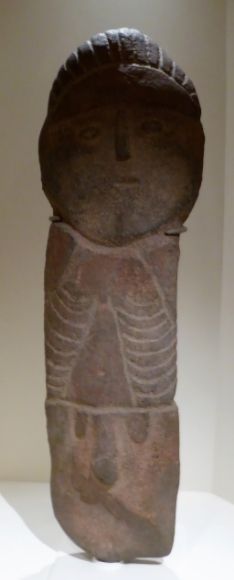
A treaty is simply an agreement between two or more sovereign nations. Following the Constitution, the United States recognized Indian nations as sovereign entities and … Continued

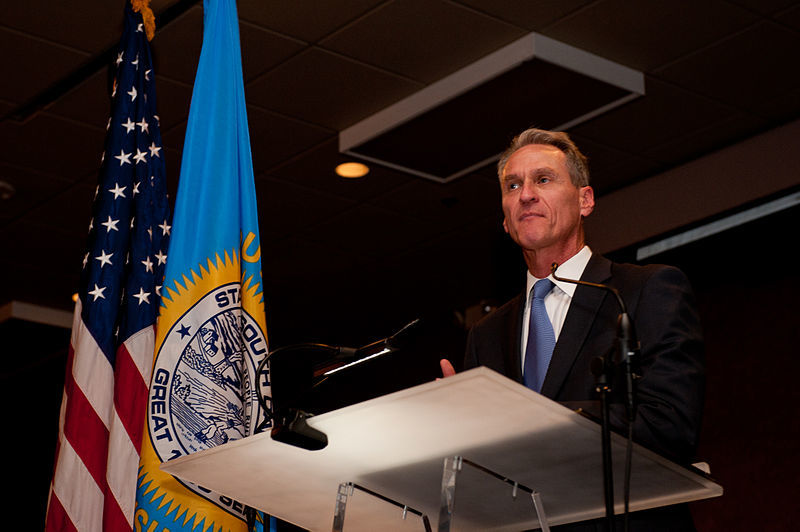
South Dakota Gov. Dennis Daugaard (R) South Dakota voters in 2016 passed Measure 22, a ballot initiative that implemented a package of ethics and campaign … Continued
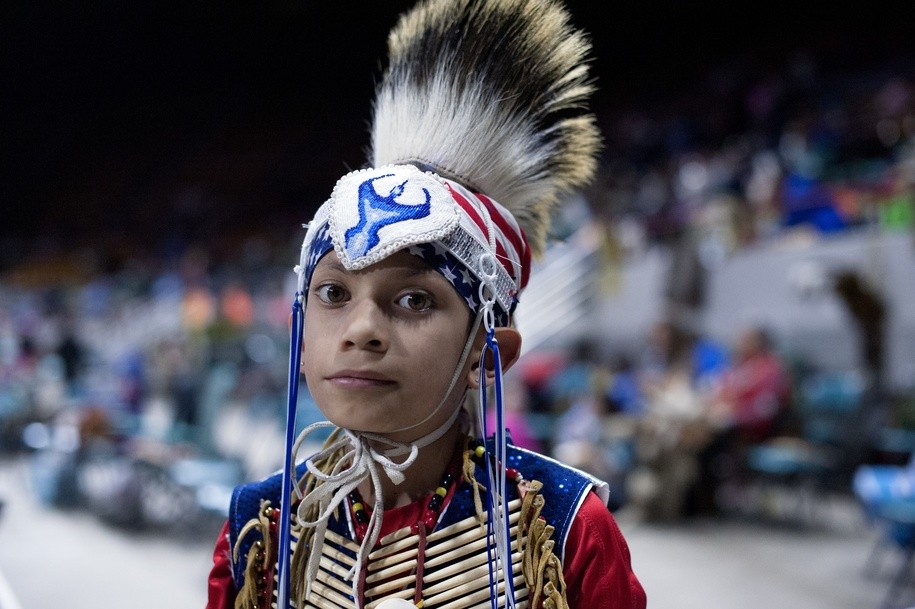
David Cyrus, 8, of the Crow Nation poses for a portrait prior to the Grand Entry during the Denver March Powwow on March 24, 2017, … Continued
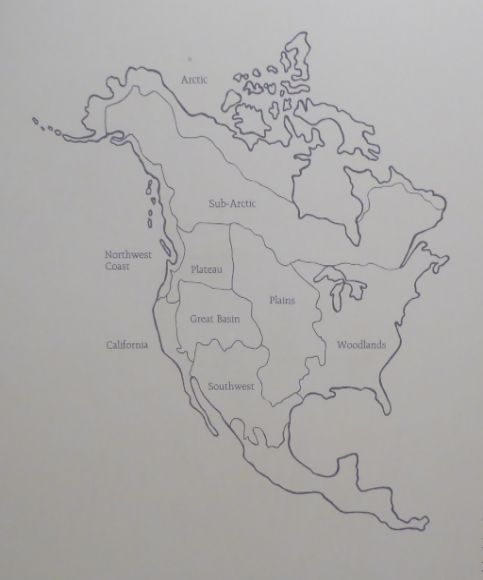
In providing a broad overview of the hundreds of distinct American Indian cultures found in North America, it is common for museums, historians, archaeologists, and … Continued