By admin

The Dutch, the Indians, and Fort Orange

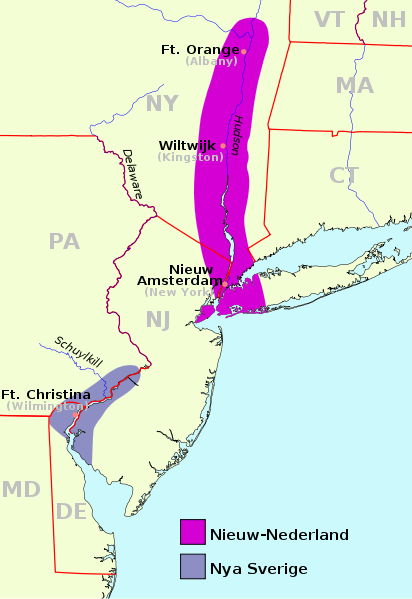
Henry Hudson sailed into New York harbor in 1609. He sailed past the island known to the local Indians as Manna-hata and then up the river which now bears his name to what is the present day city of Albany. Flying the flag of the Dutch East India Company, Hudson’s primary purpose was not to … Continued
By admin

The Indian Rights Association

During the late 19th century, non-Indians formed a number of groups to deal with the “Indian Problem.” In 1882 the Indian Rights Association was formed in Philadelphia. This group felt that Indians were capable of assuming full U.S. citizenship. They sought the extension of American law and legal rights to Indians and the abolishment of … Continued

The Indian Rights Association

By admin

On Mother’s Day, Remembering My Puse 56 Years Later

Fifty-six years ago this summer, August 23, 1955, a stroke killed my grandmother, Simmalikee. She had been my mother until then, raising me until my own mother, who was just 15 when I was born, could get her chaotic life together. Suddenly, aged 51, my grandmother was gone. I miss her still. Especially on Mother’s … Continued

By admin

The Black Hawk War

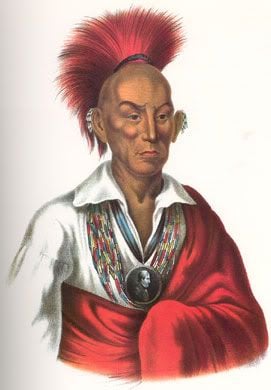
In 1832, a war broke out in Illinois between the American settlers and the Sauk under the leadership of Black Hawk. The war lasted 15 weeks and resulted in the deaths of 70 non-Indians. While historians often call this Black Hawk’s War, it was not an invading force of Sauk warriors, but rather a migration … Continued

By admin

The Termination of the Menominee

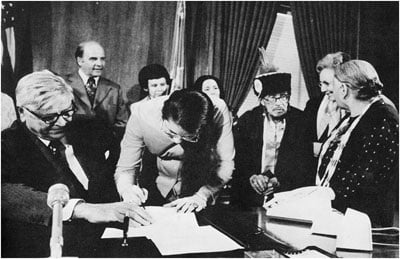
Following World War II, the United States wanted to get out of the Indian business: that is, to sever all relationships with Indian tribes. In the spirit of assimilation and with the intent of reducing government’s role in Indian affairs, Congress passed the Indian Claims Commission Act in 1946 as a vehicle to extinguish all … Continued

The Termination of the Menominee

By admin

Southeastern Agriculture

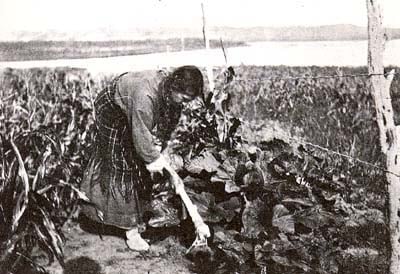
When the Spanish first arrived in what is now the Southeastern United States, they found Indian nations that had been agriculturalists for more than a thousand years. In 1539, the Spanish explorer Hernando de Soto landed in Tampa Bay (Florida) with a large force and began marching north. The Spanish report that they passed by … Continued

Southeastern Indian Agriculture

By admin

Ancient America: The Moche

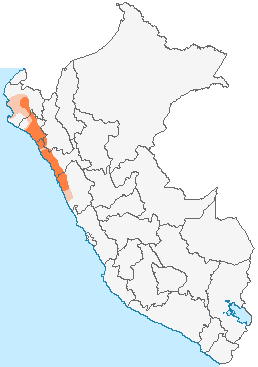
While the Inka (Inca) are probably the best-known of the ancient civilizations of South America because they were flourishing when the Spanish arrived, there were many ancient civilizations which preceded them and provided the cultural foundations for the Inka. One of these was Moche who began to flourish about 2000 years ago.   The Moche … Continued

By admin

The Green Corn Ceremony

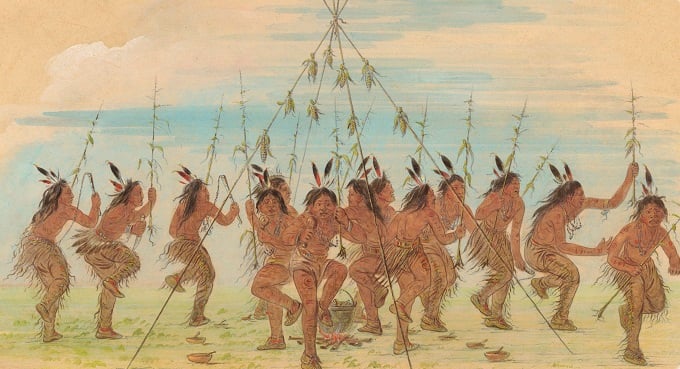
For the Indian nations of the Southeastern United States-Cherokee, Creek, Choctaw, Chickasaw, Seminole, Timucua, and others-corn (maize) was their single most important food. Therefore, corn also played an important part in their religious and ceremonial life. One of the important ceremonies among the people of the Southeastern Woodlands was the Green Corn Ceremony or puskita … Continued

The Green Corn Ceremony

By admin

Jamestown and the Indians: the First Decade

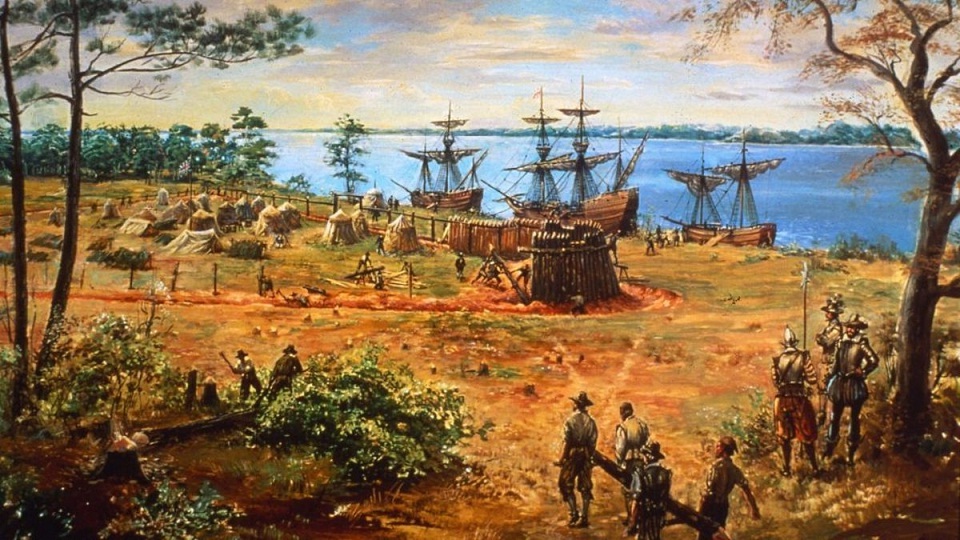
By the early 17th century, the British were becoming concerned about the inroads which the Catholic French and Spanish were making in North America. In 1606, the British monarch gave a Royal Charter to the Virginia Company to develop a market in the New World for English commerce and for “propagating of Christian Religion to … Continued

Jamestown and the Indians: the First Decade

By admin

The Southeastern Ball Game

Among the Indian nations of the Southeast (Cherokee, Choctaw, Chickasaw, Creek, Natchez, Seminole), there were two basic ball games which were played. These games had both social and ceremonial meaning.   Stickball was played with two sticks per player. The ball sticks, made from hickory or pecan, were about two feet long and were bent … Continued