By admin

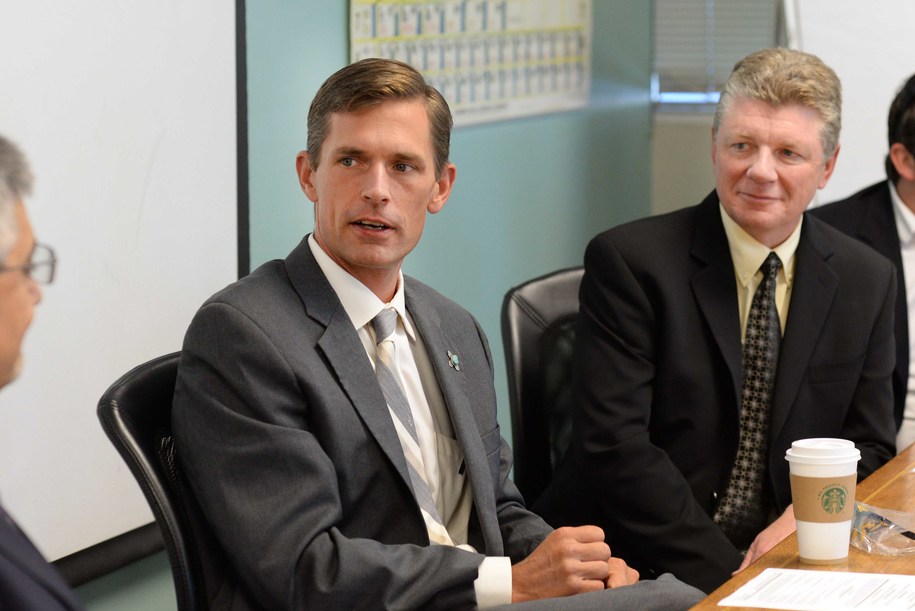
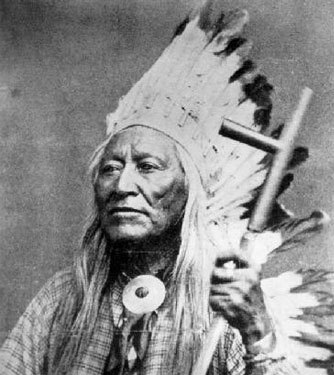
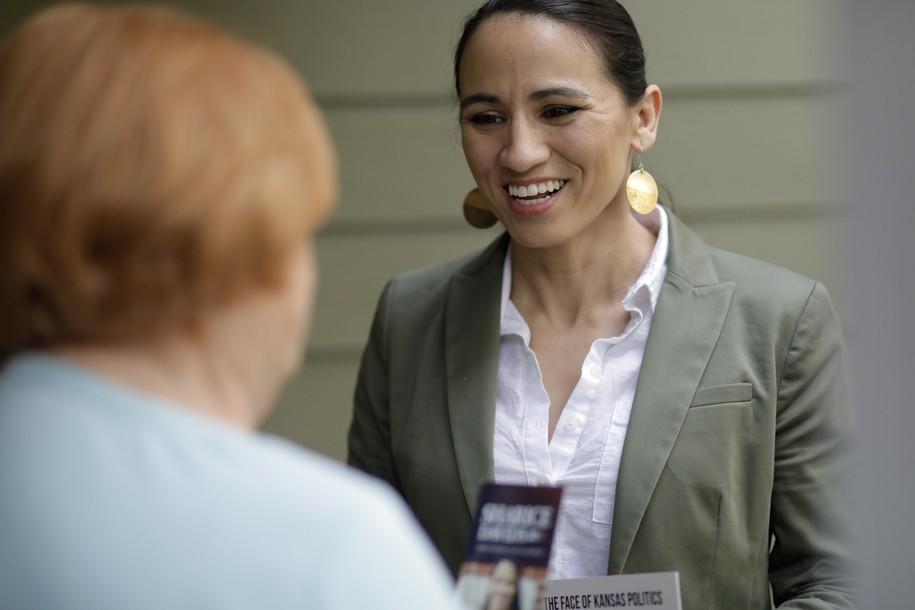
Mayor Pete Muldoon Replaces Trump/Pence Picture with Shoshone Chief Washakie at Town Hall

https://www.google.com/search?q=Shoshone+Chief+Washakie&source=lnms&tbm=isch&sa=X&ved=0ahUKEwiM1dCR_LzUAhUE2GMKHXqMC-kQ_AUICygC&biw=1366&bih=662#imgrc=qn_AcJbA5VgYlM: Despite the sentiment behind Washakie’s photo in Town Hall, using it as a replacement for President Trump is seen by some people as disrespectful. I challenge the idea it is “disrespectful,” when Trump supporters mean disloyal. Traditionally government buildings are adorned with pictures of the United States’ chief executives. Mayor Pete Muldoon, however, recently … Continued

By admin

American Indians in 1717

The fur trade was an important part of the economic history of North America and incorporated American Indian economies into a larger world economy. Furs were valuable, easily portable, and renewable resources. The prime furs—marten, otter, fox—were sold at high prices in the European and Chinese markets. Of less value, but still profitable, were pelts … Continued

By admin

Federal Indian Policy in 1817

In 1817, James Monroe became the new President of the United States. In his book The Removal of the Choctaw Indians, Arthur DeRosier writes: “America embarked upon a period of intense nationalism which completely dominated Monroe’s administration.” Arthur DeRosier goes on to say: “The changing attitudes of the period affected even the handling of the … Continued

By admin

The Bureau of Indian Affairs gets slapped with another lawsuit

Stop Tribal Genocide is a movement dedicated to promote Native American civil rights I have been conducting extensive research in the records of the Bureau of Indian Affairs (“BIA”) for many years now. During my five years of research, I’ve located important historical records that relate to my personal ancestry and other members of my … Continued

By admin

A Very Short Overview of the Ottawa Indians

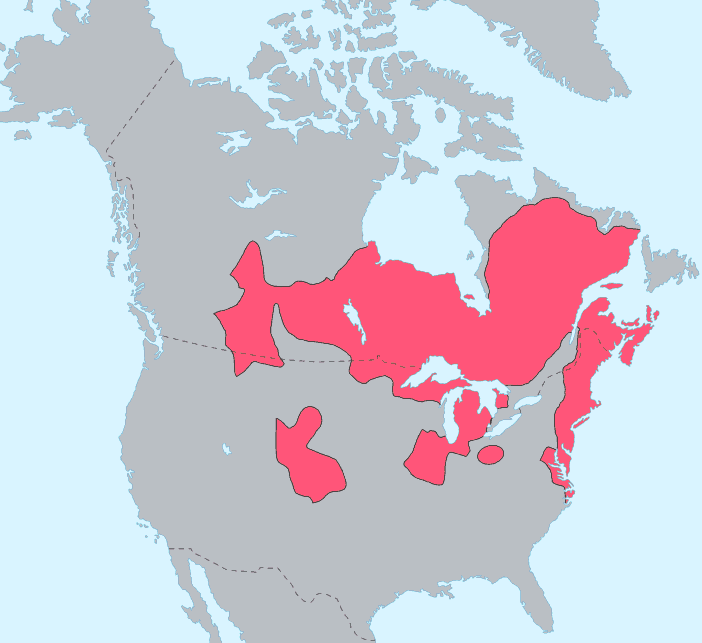
At the time of first contact with Europeans, the Ottawa (Odawa in Canada) were living on Manitoulin Island. The Ottawa homeland for at least three centuries prior to European contact was the Michigan Lower Peninsula. The tribes of the Three Fires Confederacy—Ojibwa, Ottawa, Potawatomi—were once a single people living in the east according to oral … Continued

By admin

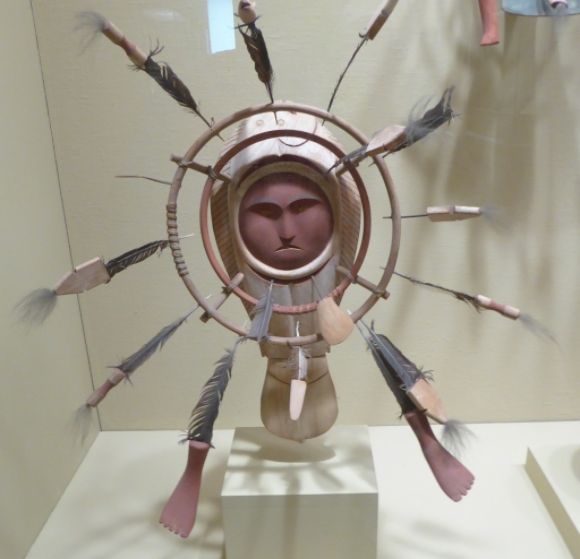
Yup’ik Masks (Photo Diary)

For the Central Alaska Yup’ik Eskimo, spirituality was focused largely on the need to secure food for hunting. As with other animistic hunting peoples, animals were felt to have souls which would be reincarnated. Thus, rituals sought to appease the soul of the animal so that it would give itself to the Yup’ik hunters who … Continued

By admin

Supernatural Entities among the Eastern Algonquian Tribes

The Northeastern Atlantic Coast of the U.S. was dominated by Algonquian-speaking nations who practiced agriculture supplemented by hunting, fishing, and gathering. In general, tribes tended to be localized along major river drainages with a tendency for the people along each drainage to divide themselves into upstream and downstream groups. Since much of the Native culture … Continued

By admin

Some Northwest Coast Artifacts (Photo Diary)

The Northwest Coast culture area stretches along the Pacific coast between the Cascade Mountains and the ocean. It extends north of California to Alaska. This is an area which is the home to many Indian nations who traditionally based their economy on the use of sea coast and river ecological resources. The Northwest Coast culture … Continued

By admin

The Fur Trade in Northwest Montana, 1807-1835

The Indian nations living west of the Rocky Mountains in what would become northwestern Montana, started to become a part of the European economic system in the first part of the nineteenth century through the fur trade. From 1800 to about 1835, beaver was of primary importance, driven in large part by European fashion. By … Continued