By admin

Mesoamerican Stelae

Mesoamerica is the area from Mexico south through Panama. In this geographic area, a number of complex cultures emerged with subsistence patterns based on agriculture and wide-spreading trading networks. Like the ancient civilizations in other parts of the world, such as Mesopotamia, China, and Egypt, the Mesoamerican civilizations were characterized by cities, hierarchical governments, and … Continued

By admin

Plateau Indian Cradleboards (Photo Diary)

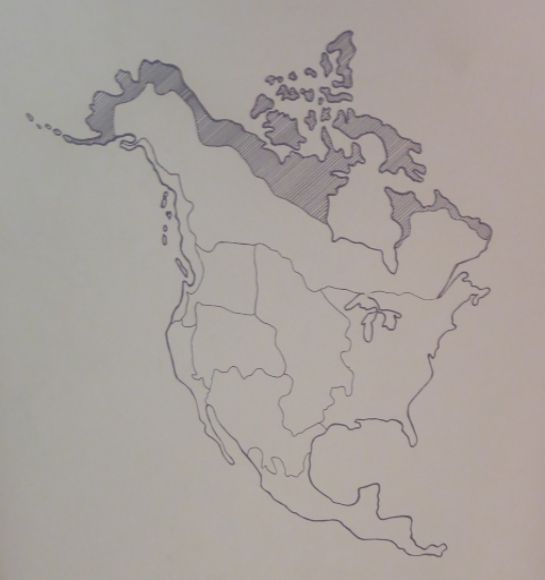
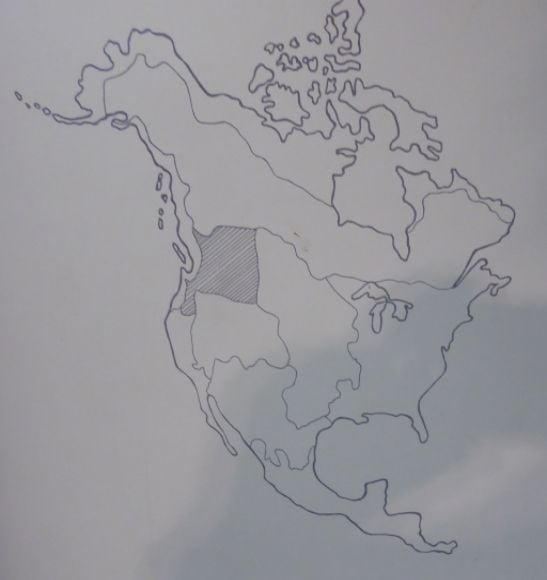
As Grandmother Taught: Women, Tradition and Plateau Art was a special exhibit at the Northwest Museum of Arts and Culture in Spokane, Washington. The exhibit featured several Plateau cradleboards. The Indian nations of the Columbia River Plateau are shown above. Cradleboards allowed infants to be carried easily and safely. They also allowed the mother’s hands … Continued

By admin

Changing Technologies and Trade in California

One of the displays in the San Bernardino County Museum in Redlands, California, is entitled Sacred Earth and subtitled Understanding our past and honoring cultures that thrive today. One section of this display looks at some of the technological changes from 8,000 years ago until 3,000 years ago and from 3,000 years ago until 1,000 … Continued

By admin

Federal Indian Policy 200 Years Ago (1818)

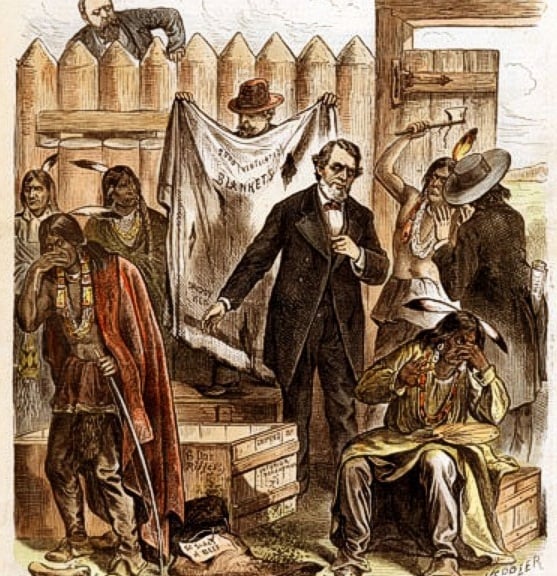
Under the Constitution, Indian tribes are considered to be nations and thus all dealings with the tribes were to be conducted by the federal government, not the states. Administratively, the relationships between the United States and the various Indian nations should have been a foreign policy matter. However, from the very beginning Indian affairs were … Continued

Federal Indian Policy 200 Years Ago (1818)

By admin

Indians and Europeans 300 years Ago, 1719

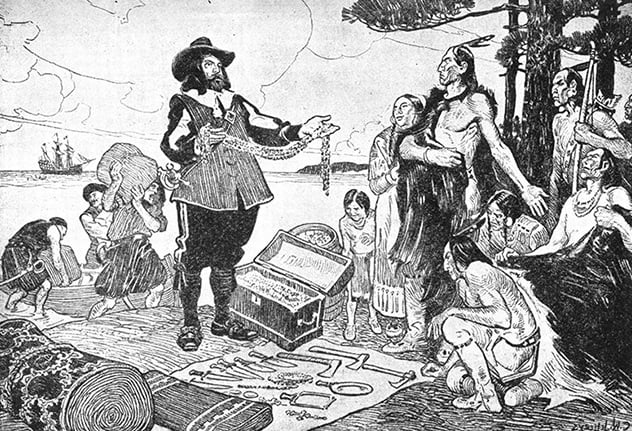
By 1719, many Indian nations had had direct or indirect contact with the European invaders from Britain, France, Spain and the Netherlands. Direct contact had initially come through the European explorers, traders, and missionaries. European manufactured trade goods and horses could be found among tribes who had had no direct contact with the Europeans. Along … Continued

Native American-European fur trade exchange

By admin

Inuit Art (Photo Diary)

The Artic Culture Area includes the Aleutian Islands, most of the Alaska Coast, the Canadian Artic, and parts of Greenland. It is an area which can be described as a “cold” desert. Geographer W. Gillies Ross, in his chapter in North American Exploration. Volume 3: A Continent Comprehended, writes: “The North American Arctic is usually … Continued

By admin

Blackfeet Researcher Advocates for Food Sovereignty

Blackfeet Researcher Leads Her Tribe Back to Traditional Foods YES! Magazine–Jun 6, 2017 Researcher Abaki Beck [GoogleScholar link] 23, holds a degree in American studies, and has published on the impacts of settler-colonialism on Blackfeet youth suicide. Her May 2017 report, “Ahwahsiin: Traditional Ecological Knowledge and Contemporary Food Sovereignty on the Blackfeet Reservation” (ahwahsiin translates … Continued

Traditional Foods in Native America

By admin

Indian Conflicts 150 Years Ago, 1869

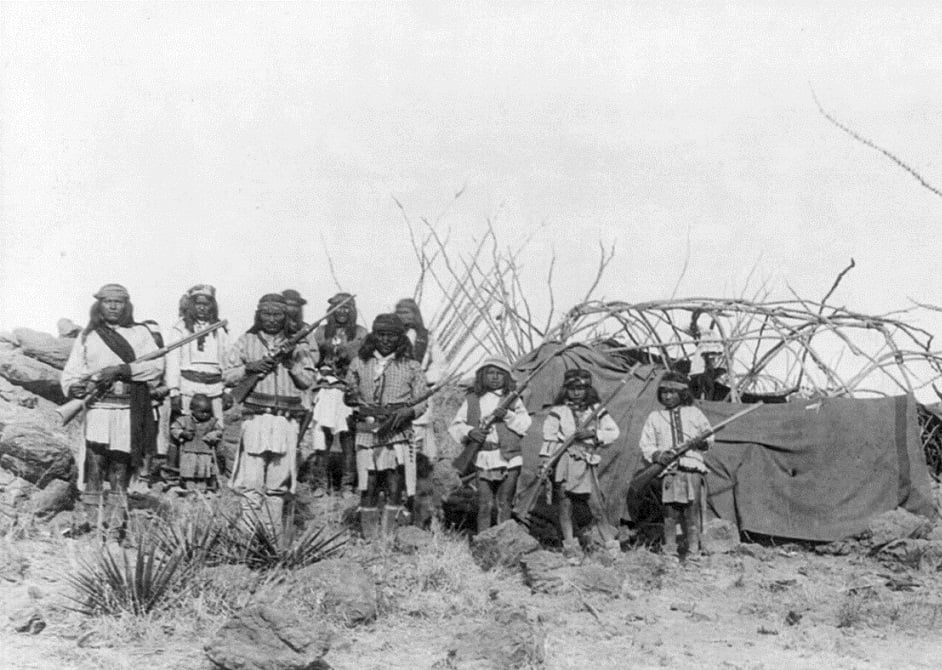
Following the Civil War, the United States had a large, experienced army that could turn its attention to the “pacification” of the Indian nations in the West. At the same time, the United States was opening up vast tracts of land for non-Indian settlement, thus increasing tensions and violence between the Indians who saw the … Continued

The Civil War and Indians in Arizona