By admin

Non-Native Parents Allowed To Adopt “foster daughter over objections of a local Indian tribe” Update

https://www.google.com/search?q=Indian+Child+Welfare+Act&source=lnms&tbm=isch&sa=X&ved=0ahUKEwitytDtk8XUAhVBTmMKHcptBFIQ_AUIDCgD&biw=1366&bih=662#imgrc=R4zb3WivKqDfXM: The Arizona Supreme Court and Goldwater Institute don’t get to only show you what’s in their left hand – The Arizona Supreme Court chose the latter, clearing a non-native couple to adopt their foster daughter over objections of a local Indian tribe. *snip* ICWA, however, has little do with the legal or cultural attachment … Continued

By admin

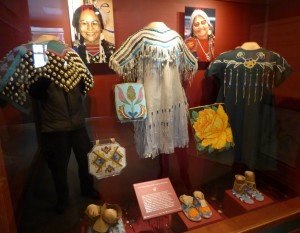
The Early Years of the Coast or Siletz Reservation

In 1855, the Coast Reservation was established by executive order of President Franklin Pierce. The new reservation ran approximately 102 miles north and south along the Central Oregon coast. The establishment of this reservation set in motion the relocation of several different American Indian groups in Southern Oregon and Northern California. The new reservation was … Continued

By admin

Early Twentieth Century Indian Books

During the first two decades of the twentieth century, several American Indian writers published books about American Indians. Briefly described below are some of these authors and their books. Charles A. Eastman One of the most prolific writers during this period was Dr. Charles A. Eastman (1858-1939) who was born on the Santee Dakota Reservation … Continued

Books About Indians

By admin

Some Plateau Indian Artifacts (Photo Diary)

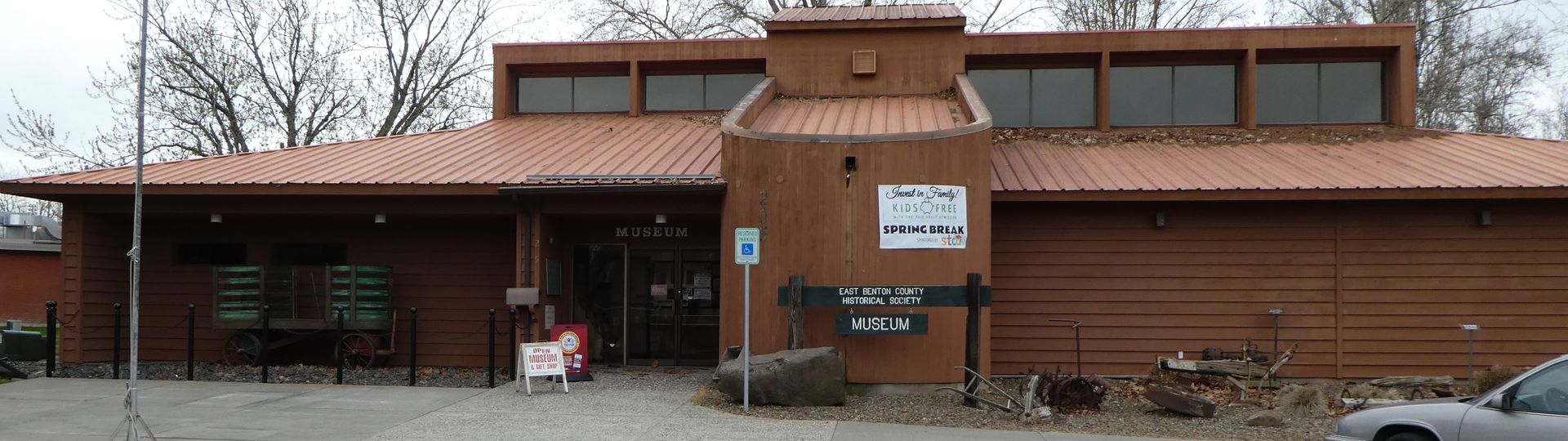
The Franklin County Historical Society and Museum in Pasco, Washington, has a display relating to the Indians in the Franklin County area. This map shows the relationship of Franklin County with the Indian Nations of Washington. Shown above is a depiction of a Wanapan village. The lodges are made using tule mats—woven from dried reeds … Continued

By admin

Mesoamerican Figurines (Photo Diary)

In major museums, only a small fraction of the artifacts held by the museum are on display and interpreted for the public. Most of the museum’s artifacts are in vaults where they are available only to researchers. The Los Angeles County Museum of Natural History maintains a Visible Vault, which changes over time, in which … Continued

By admin

A Collection of Indian “Arrowheads” (Photo Diary)

Throughout the United States, private collectors for the past couple of centuries have been collecting “arrowheads” (many of these stone artifacts are not in fact arrowheads) and using them to make visually interesting displays. Such displays were part of Cabinets of Curiosities. In an article in The Indian Historian, Joan Lester writes: “They were chance … Continued

By admin

Mormons and Indians

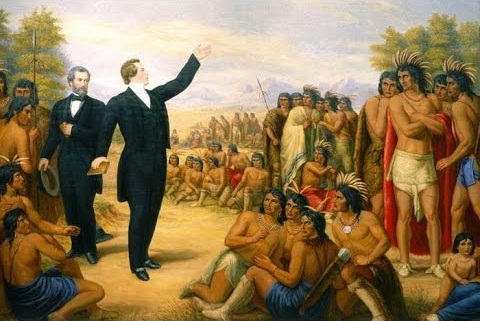
When the European explorers, soldiers, missionaries, and colonists arrived in the Americas, they viewed the world through the lens of Christianity. Encountering peoples who were not mentioned in the Bible, there were great debates about who these people were and, if they were truly human, how they travelled from the mythical Garden of Eden, which … Continued

Mormons and Indians

By admin

Plateau Flat Bags in the Maryhill Museum (Photo Diary)

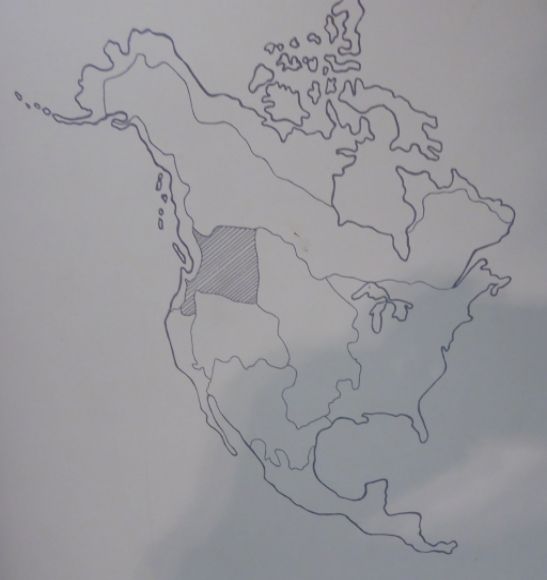
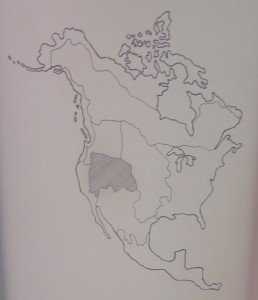
The Maryhill Museum located near Goldendale, Washington, has a display of Plateau flat bags. The Plateau Culture Area is the area between the Cascade Mountains and the Rocky Mountains in Washington, Oregon, Idaho, British Columbia, and Western Montana. From north to south it runs from the Fraser River in the north to the Blue Mountains … Continued

By admin

American Indians in 1618

During the first part of the seventeenth century, conflicts and potential conflicts between American Indians and the invading Europeans increased. Enamored with the idea of gaining personal wealth through the exploitation of Indian lands, four European countries—France, England, Netherlands, and Spain—established permanent colonies in the Americas. Archaeologist Jerald Milanich, in his book Laboring in the … Continued

By admin

California Indian Baskets in the Maryhill Museum

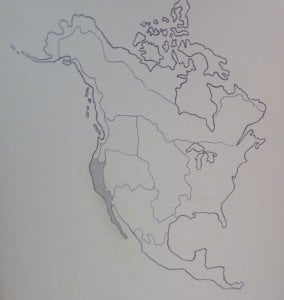
The California culture area has the widest variety of native languages, ecological settings, and house types of any North American culture area. The shaded area on the map shown above displays the California culture area. Basketry was, and still is, important to the California Indians. In his book Indians of Lassen Volcanic National Park and … Continued