By admin

The Algonquian Language Family

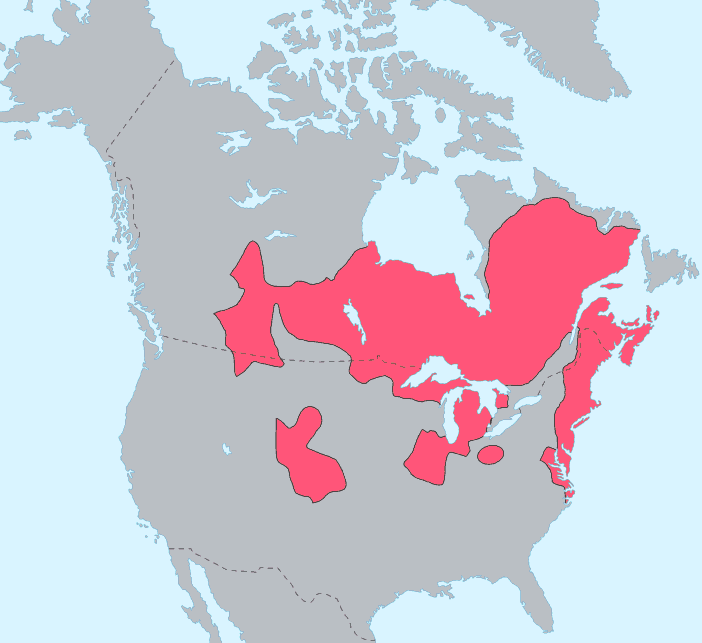
In North America, linguists generally recognize 58 language families and isolates. Understanding language families is one of the keys to understanding the historical relationships between the Indian groups. The Algonquian language family is a large American Indian language which is found in the Eastern Woodlands, the Plains, and California. With regard to the history of … Continued
By admin

Apache Spirituality

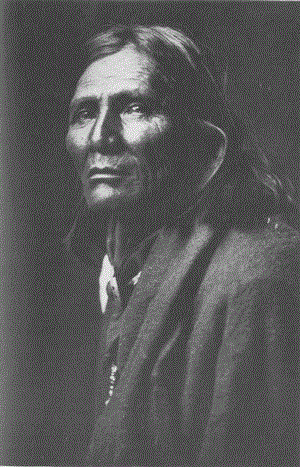
Bands or tribes known collectively as the Apache ranged widely throughout the American Southwest at the time of the first Spanish exploration and invasion. The Apache are Athabascan-speaking and migrated into the Southwest from Canada perhaps as early as 850 CE, but most likely between the late 1200s and early 1400s. In her entry on … Continued

By admin

American Indians in 1617

By 1617, four European nations—Spain, France, England, and the Netherlands—were staking their claims in North America through exploration and colonization. Archaeologist Jerald Milanich, in his book The Timucua, describes the reasons for the European expansion into North America: “The driving force behind these initiatives was a desire for wealth: precious stones or metals, fertile lands … Continued

By admin

Spirituality and Jimsonweed Among California Indians

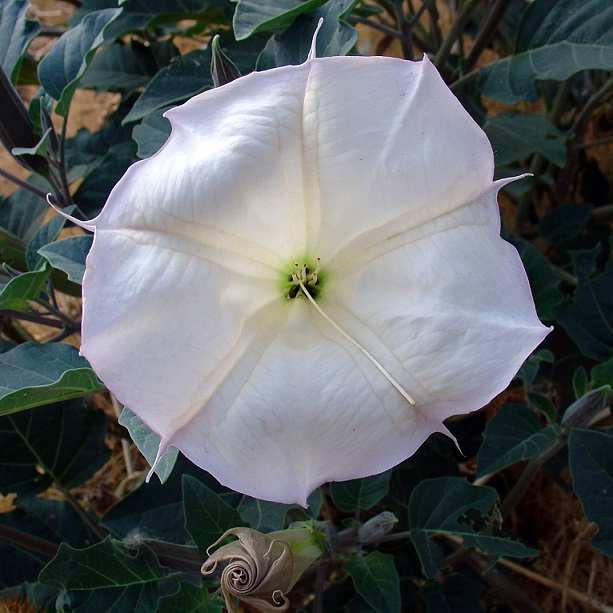
Throughout the world, different religious and spiritual traditions have used hallucinogenic drugs to enhance the mystical experience. These drugs can trigger the experience of flying or floating. In Southern California, many tribes traditionally used jimsonweed (a part of the nightshade family Datura, also known as toloache and datura) to help produce visions. Most frequently this was … Continued

By admin

Christian Missions in 1817

The early nineteenth century was a period in which American Indians came into contact with non-Indian explorers and missionaries. Unlike the early explorers who simply passed through Indian territories and having relatively brief encounters with the Indians themselves (including sexual encounters), the missionaries came with the idea of actually living among the Indians. They often … Continued

By admin

A Very Short Overview of the Mohave Indians

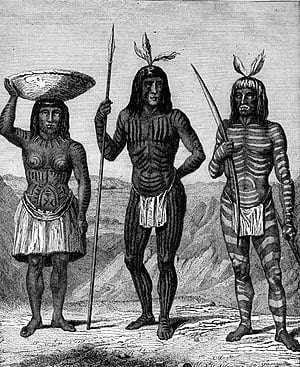
The Mohave are a Yuman-speaking tribe whose traditional homeland was along the Colorado River. The name “Mohave” is a corruption of their native name Aha-makave which means “beside the water.” The Yuman-speaking people, according to their oral history, were created at Avikwame (now designated as Mount Newberry). It was here that Mastamho (also known as … Continued

By admin

The Uto-Aztecan Language Family

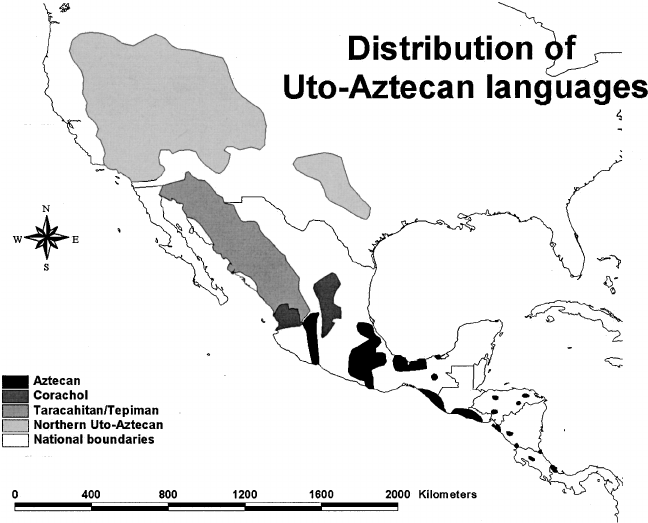
Linguists studying and comparing languages throughout the world have noted that some languages are similar to each other in terms of vocabulary, sound patterns, and grammatical structure. Using these comparisons, they group languages into language families. According to linguists Laurence C. Thompson and M. Dale Kinkade, in their chapter on languages in the Handbook of … Continued

By admin

Federal Indian Policy in 1817

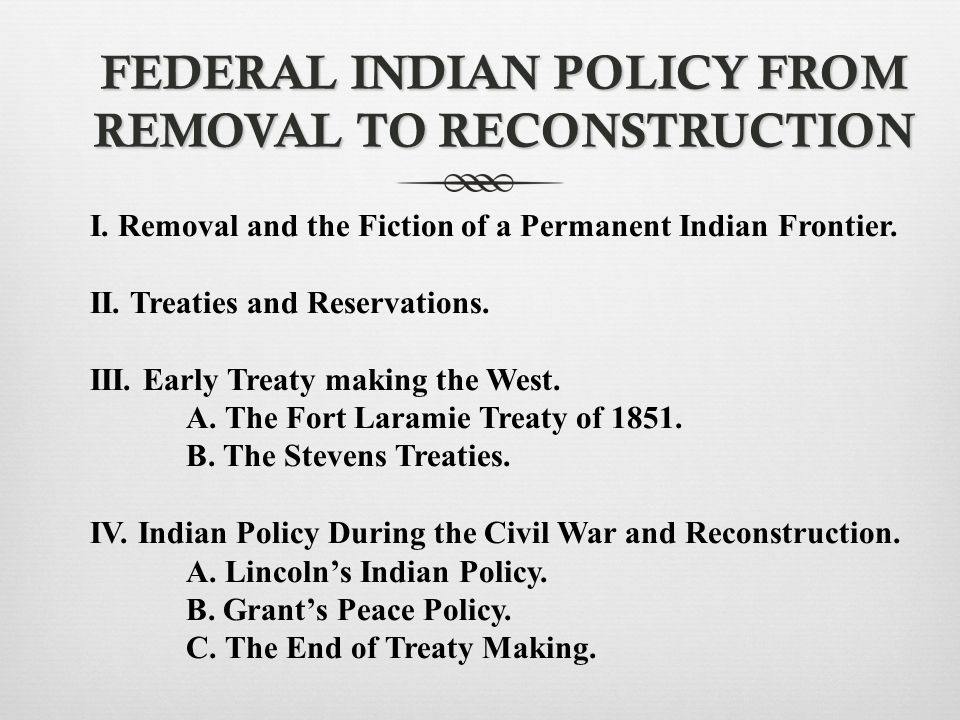
In 1817, James Monroe became the new President of the United States. In his book The Removal of the Choctaw Indians, Arthur DeRosier writes: “America embarked upon a period of intense nationalism which completely dominated Monroe’s administration.” Arthur DeRosier goes on to say: “The changing attitudes of the period affected even the handling of the … Continued

By admin

American Indian Religions in 1917

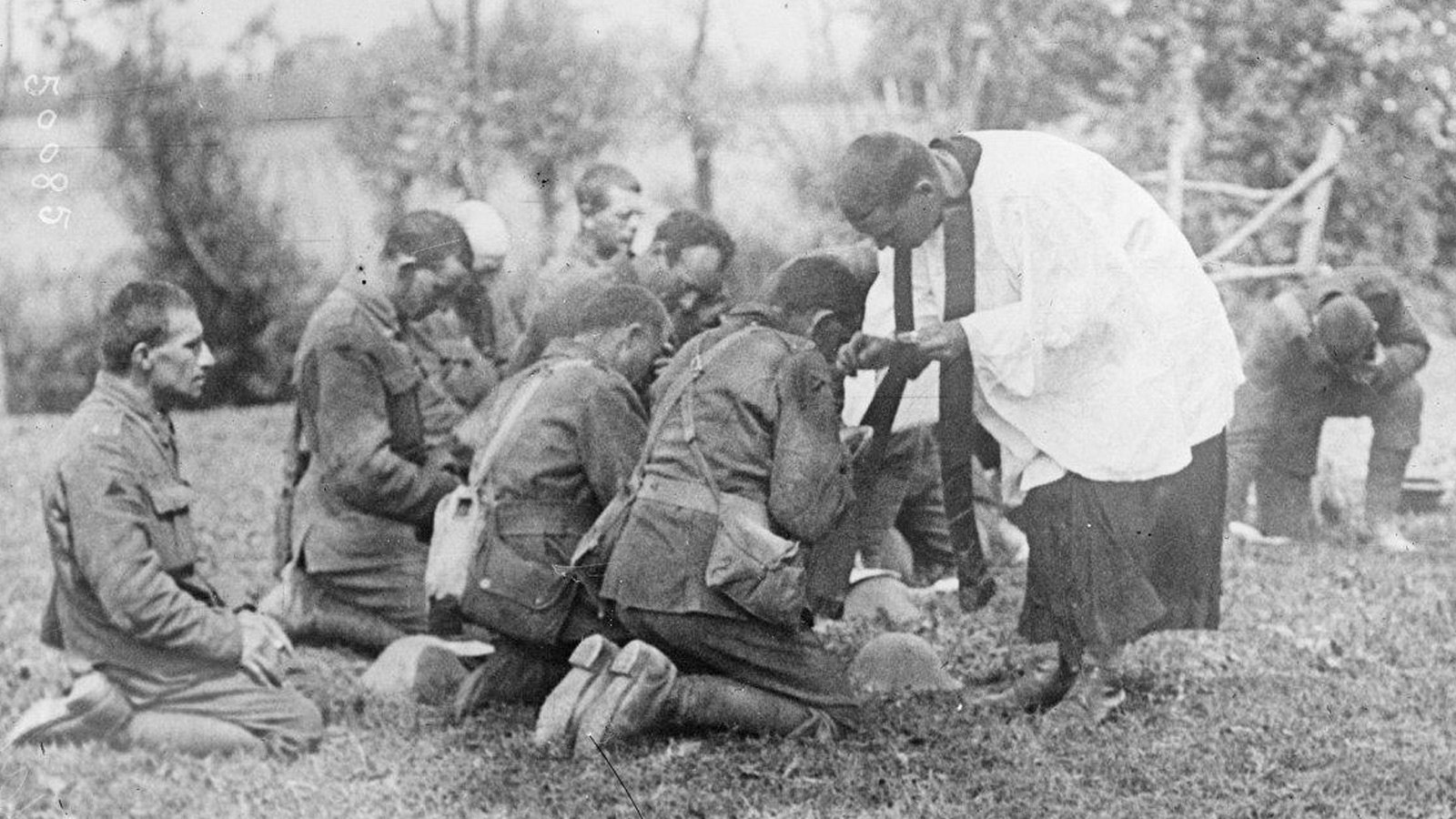
During the first part of the twentieth century, the United States continued in its efforts to assimilate American Indians into an English-speaking, Christian European culture. Traditional American Indian religious practices were oppressed and discouraged as barriers to this assimilation. Briefly described below are some of the events of 1917 related to Indian religions. Native American … Continued

American Indian Religions

By admin

Voluntary Associations Among the Omaha Indians

Many American Indian nations had formal groups which cross-cut kinship ties. These formal groups, known as voluntary associations, sodalities, warrior societies, military societies, and healing societies, had names, membership rules, and even their own special ceremonies. Among the Omaha there were two kinds of voluntary associations: (1) social groups, and (2) secret societies. Included in … Continued