By admin

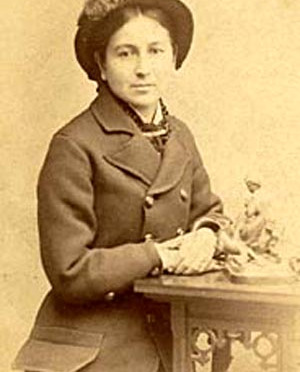
Susette La Flesche, Indian Rights Activist

Susette (Yosette) La Flesche was born on the Omaha Reservation in Nebraska in 1854. She was the eldest daughter of Joseph La Flesche and Mary Gale La Flesche. Joseph LaF lesche was the principal chief of the Omaha. With regard to Joseph La Flesche, John Little, in his biography of Susette La Flesche in Notable … Continued
By admin

Personal Names Among the Central Plains Tribes

For most people today, personal names consist of two basic parts: (1) a surname or last name which is the same as the father’s surname (or the husband’s surname for some women) and (2) a given name or first name which is generally given at birth. In general, people (particularly men) keep the same name … Continued

By admin

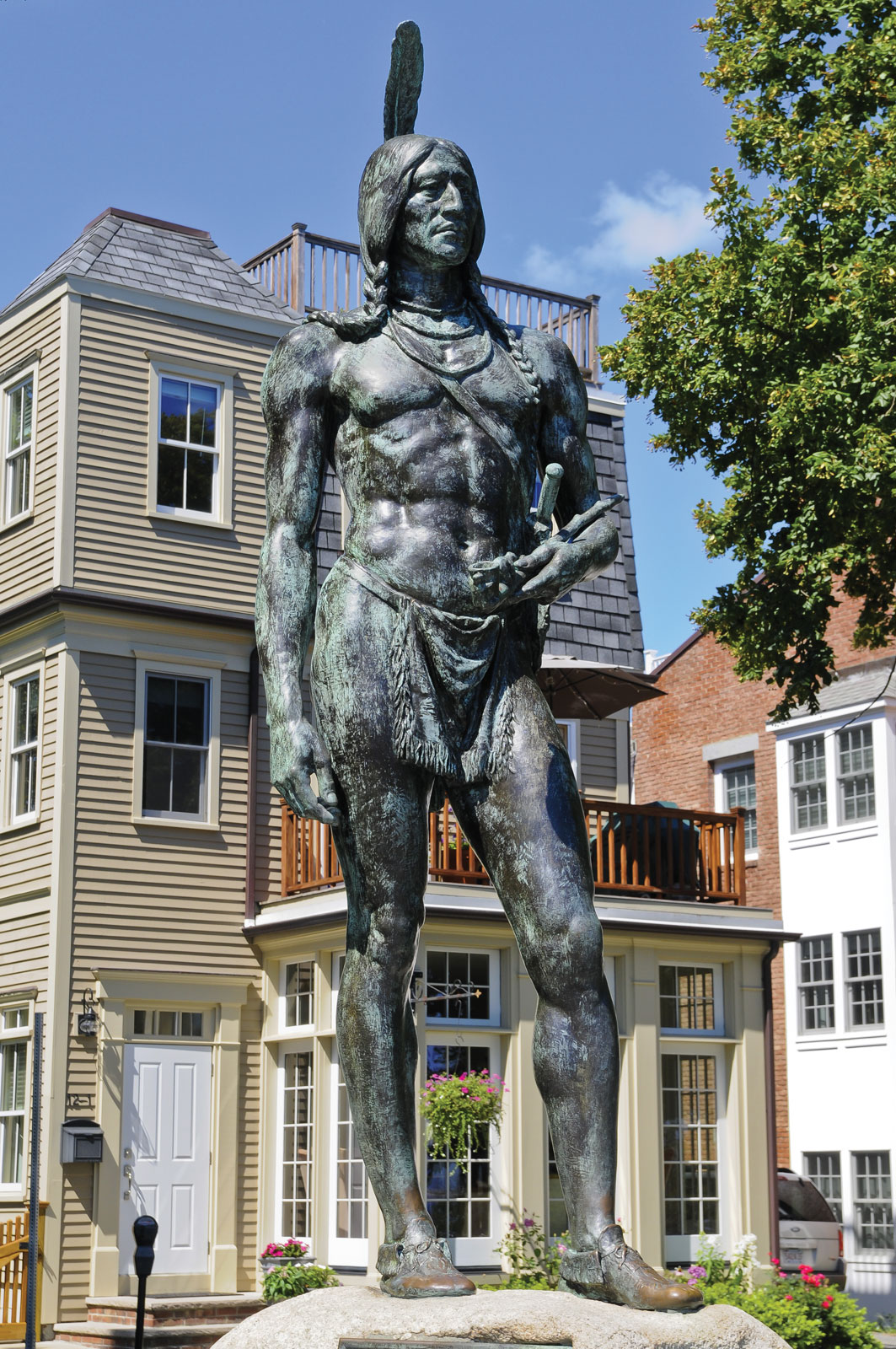
Massasoit, Wampanoag Leader

During the first part of the seventeenth century, the Wampanoag Confederacy controlled a large portion of what is now New England. Wampanoag territory ranged from Narragansett Bay to Cape Cod. The leader of this confederacy during the first part of the seventeenth century was Massasoit, who is generally described as the Great Sachem. His main village … Continued

By admin

Denise Juneau and Native Languages

We don’t really know how many Native American languages were spoken in what is the United States and Canada when the Europeans began their invasion. Linguists Shirley Silver and Wick Miller, in their book American Indian Languages: Cultural and Social Contexts, estimate that there were 250 American Indian languages in this area. On the other … Continued

By admin

A Brief Overview of the Kaw or Kansa Indians

The state of Kansas and the Kansas River are named for the Kansa or Kaw Indians whose aboriginal territories once included the state and spread into southern Nebraska. Traditionally, the Kaws were village people who farmed as well as hunted. Like most of the other tribes in the Central Plains area, the origins of the … Continued

By admin

Denise Juneau and Indian Education

In has been well documented that American Indians, particularly those living on reservations, have the lowest levels of education in the country. On Indian reservations, the problems of providing education for Indian children are tied in to the rural nature of these populations—a fact which makes it difficult to find and retain good teachers—as well … Continued

By admin

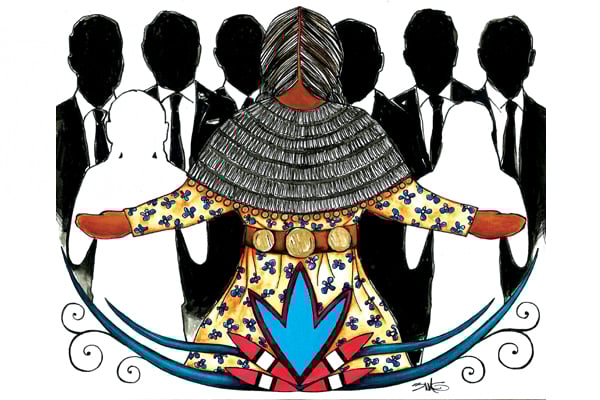
Denise Juneau, Putting Montana First

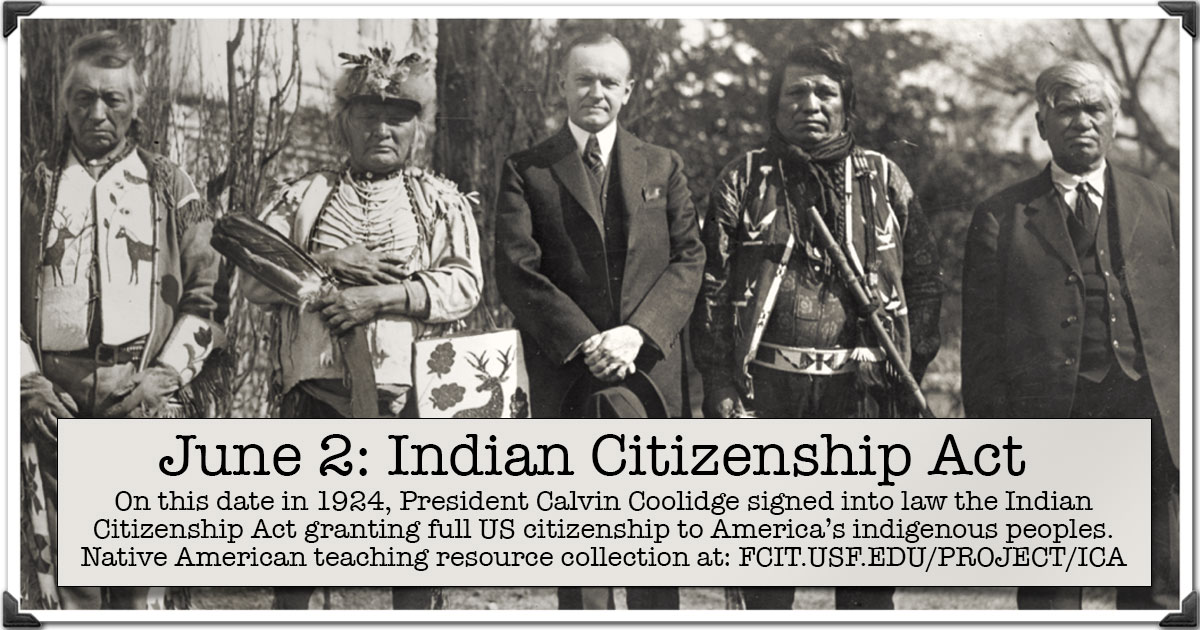
In 1924, Congress passed the Indian Citizenship Act which gave citizenship—the right to vote and to be elected to public office—to all American Indians. Exercising these rights, however, was not easy. It has been unusual for American Indians to be elected to state-wide and national offices.  In Montana, Denise Juneau was elected Superintendent of Public … Continued

By admin

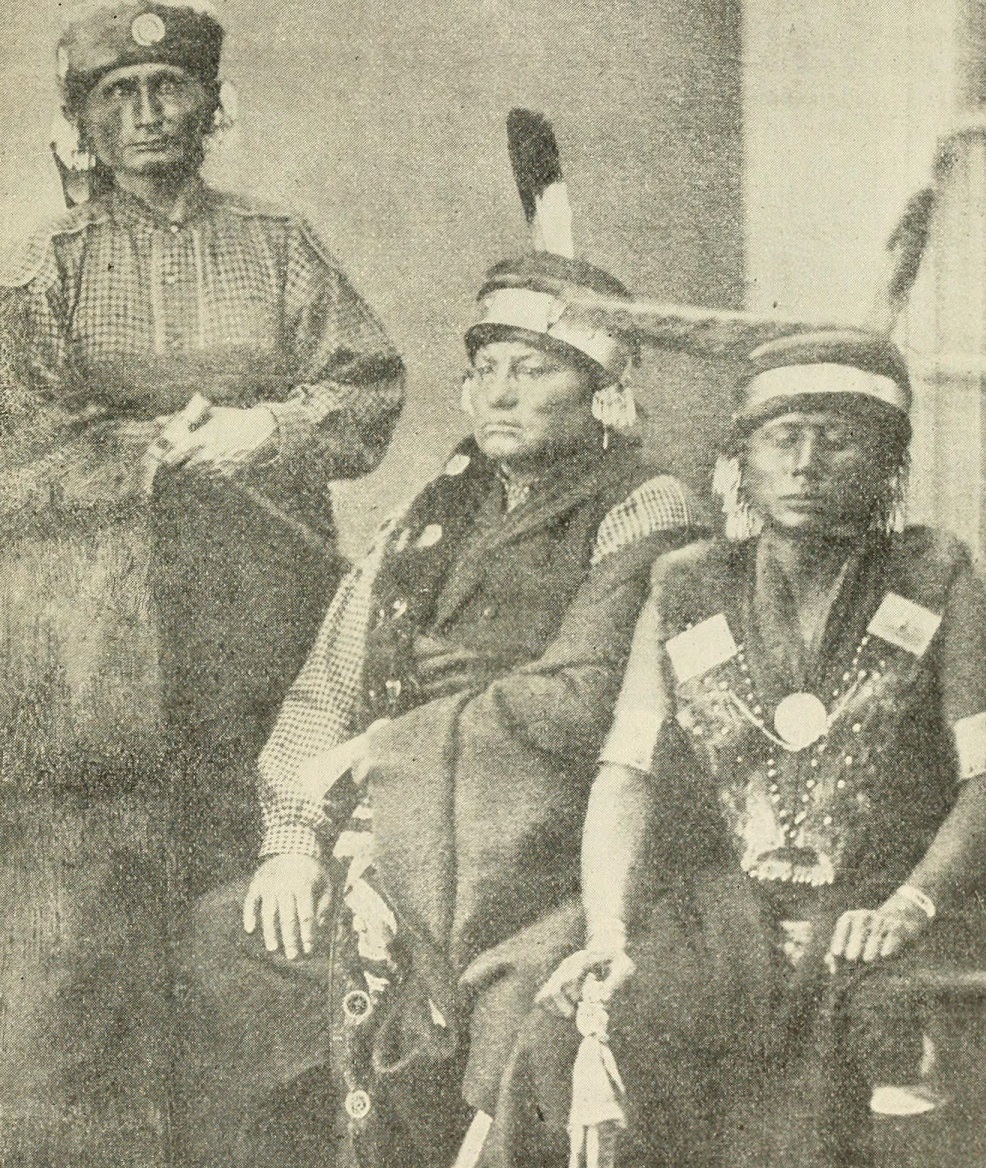
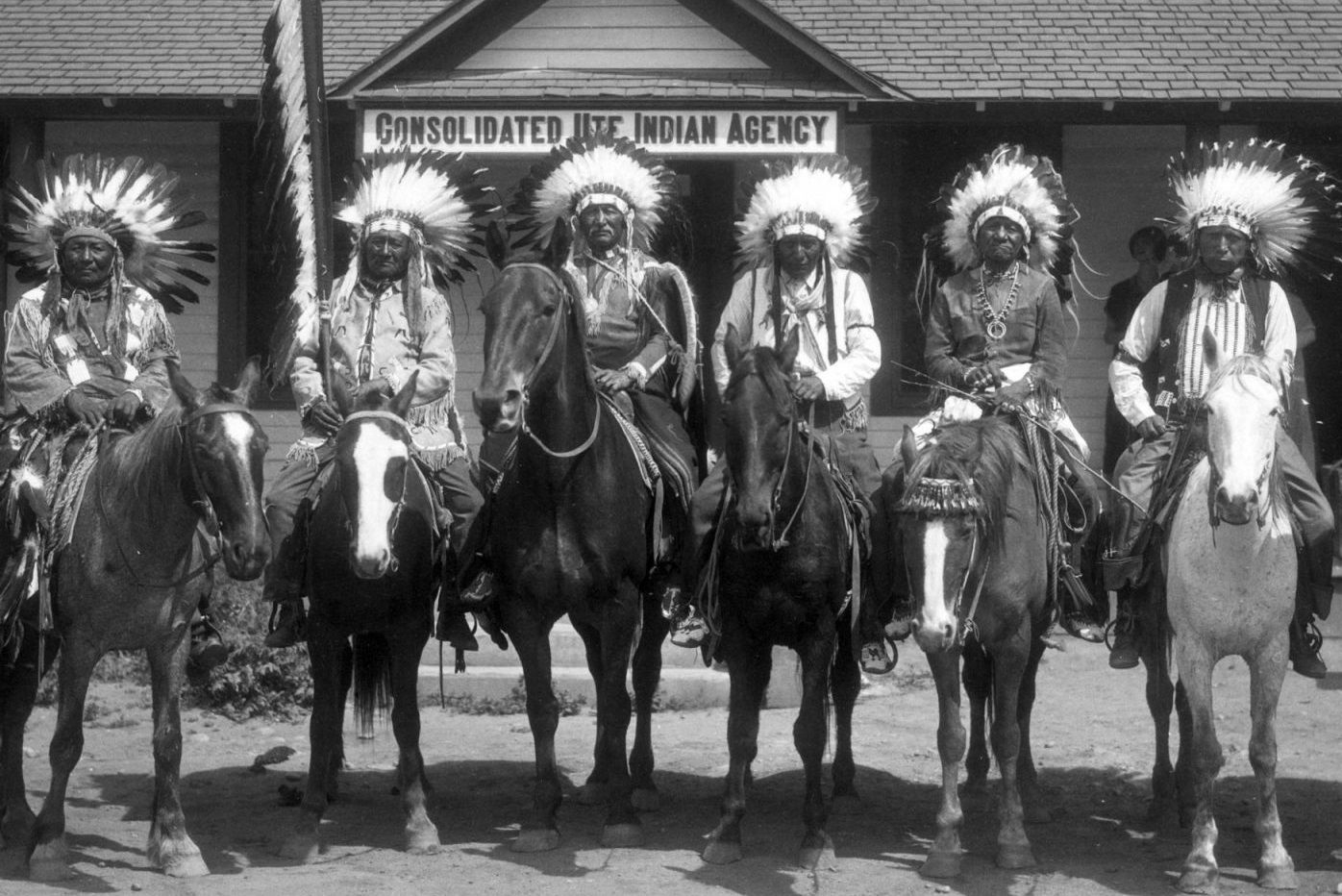
Ute Spirituality

The Ute Indians were traditionally mountain-dwelling bands whose traditional territory extended from the southern Rocky Mountains in present-day Colorado, west to the Sevier River in Utah. Their traditional territory extended as far south as the upper San Juan River in present-day New Mexico and as far north as southern Wyoming. As with other Great Basin … Continued

Ute Indian Tribes

By admin

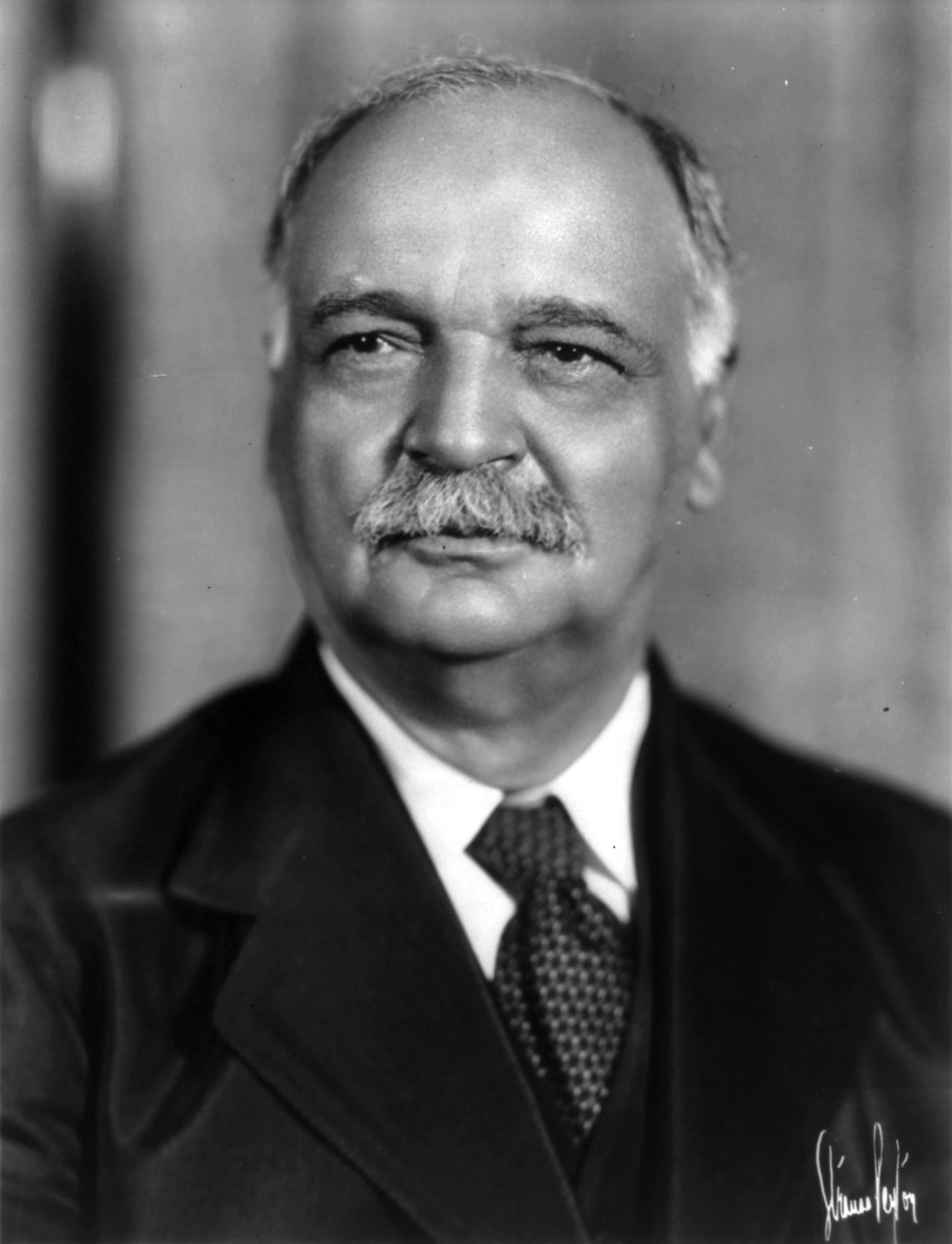
Vice President Charles Curtis

Indian citizenship and participation in American politics involves more than just voting: it also involves having Indians elected to public office. One of the first Indians to be elected to national office was Charles Curtis. Curtis was born in 1860 near present-day North Topeka, Kansas. His mother was a descendent of Kansa (also called Kaw) … Continued

By admin

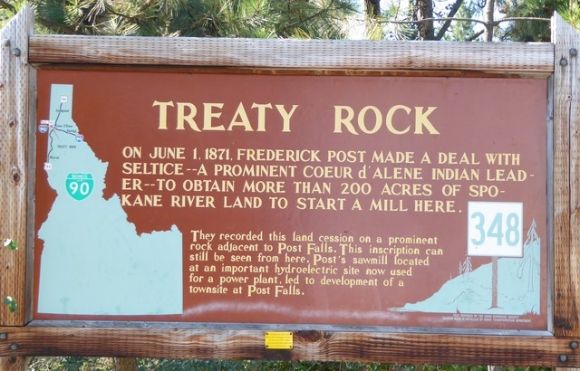
Treaty Rock and the Coeur d’Alene Indians

Long before the European invasion of North America, the Coeur d’Alene, who call themselves Schitsu’umsh, occupied a territory that included parts of eastern Washington, northern Idaho, and western Montana. According to their tribal history: “We were lake and rivers people who had permanent encampments along these waterways but also followed the natural cycle of life. … Continued