By admin

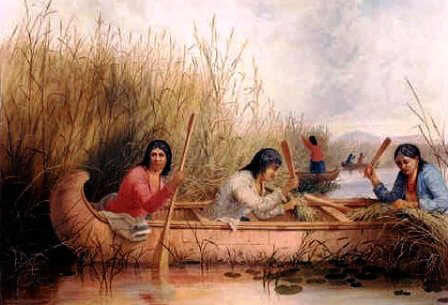
The Political Organization of the Omaha Indians

In the eighteenth and nineteenth centuries, the Omaha Indians were living in what is now Nebraska where they were a farming people who engaged in buffalo hunting. The Omaha fields would be planted in May and tended until the corn was well established, usually late June or early July. Then the entire village would leave … Continued
By admin

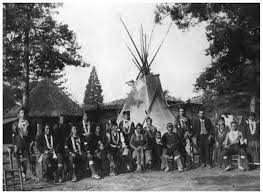
Gender Among Northern Plains Indians

The Northern Plains include what is now North and South Dakota, Eastern Montana, northeastern Wyoming, and the Canadian provinces of Alberta and Saskatchewan. In general, the Indian nations of the northern Plains can be divided into two major groups: (1) the buffalo hunters and (2) the agricultural nations along the Missouri River in the Dakotas. … Continued

By admin

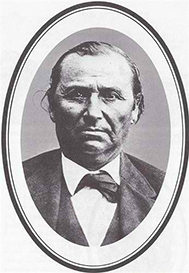
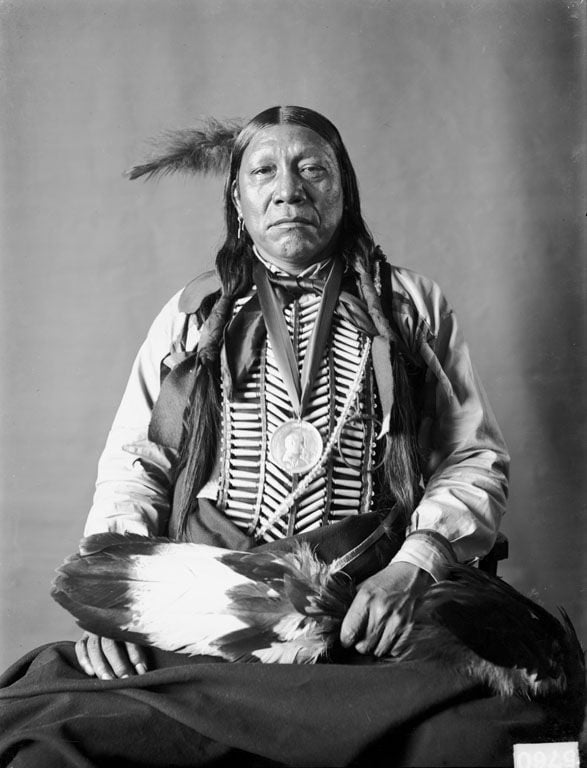
Joseph LaFlesche, Omaha Chief

From the viewpoint of non-Indians, particularly government officials in the nineteenth century, a progressive Indian leader was one who advocated the assimilation of Indians into “mainstream” American culture. One of these progressive Indian leaders was Joseph LaFlesche. Joseph LaFlesche was the son of a French fur trader and a Ponca woman. When he married an … Continued

By admin

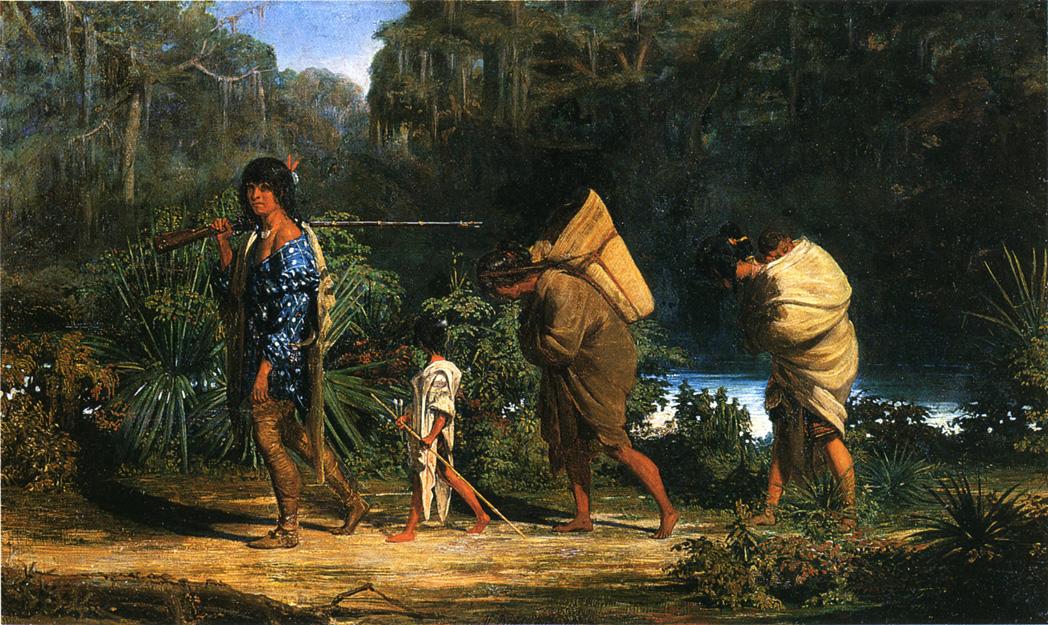
Choctaw Migrations

The Choctaw, at the time of European contact, were a loosely organized confederacy composed of three distinctly different divisions: Okla Falaya (Long People), Okla Tannap (People of the Opposite Side), and Okla Hannalia (Sixtown People). The people were living in more than 100 autonomous villages. While the Choctaw, like the other Indian nations in Eastern … Continued

By admin

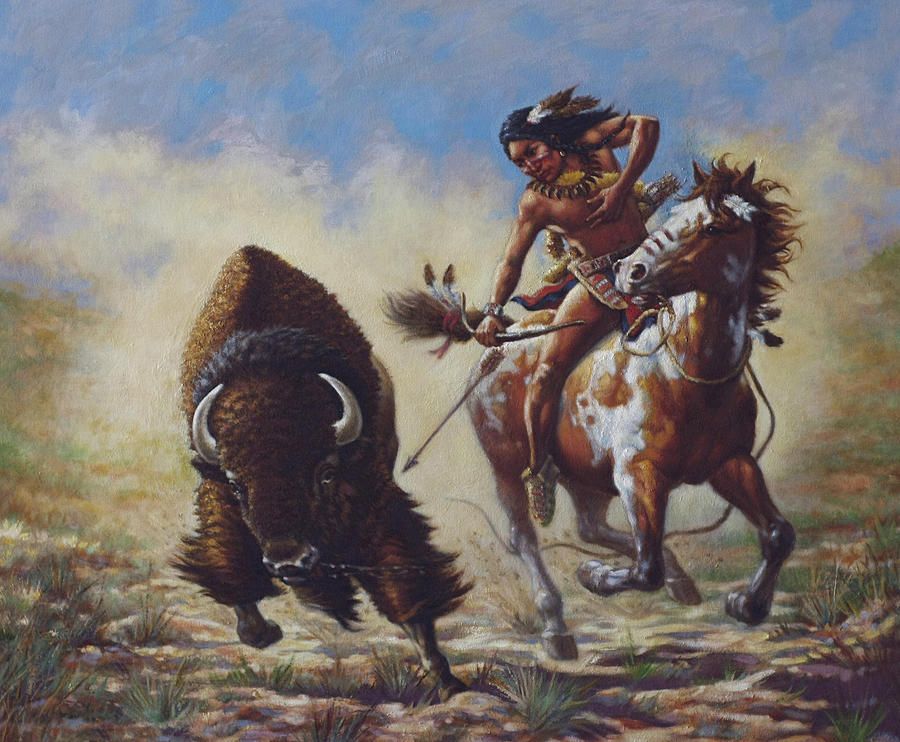
Horse-Mounted Buffalo Hunting on the Northern Plains

The Northern Plains include what is now North and South Dakota, Eastern Montana, northeastern Wyoming, and the Canadian provinces of Alberta and Saskatchewan. For the Indian nations who called this region home, the single most important animal was the buffalo (technically bison, but commonly called buffalo). The buffalo provided them with food, clothing, shelter, and … Continued

By admin

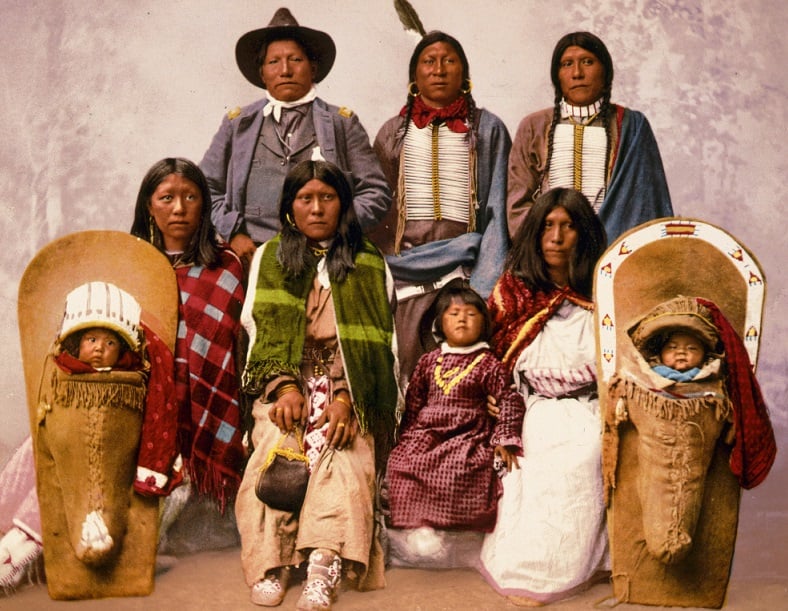
A Short Overview of the Ute Indians

The state of Utah is named for the Ute Indians whose traditional territory extended from the southern Rocky Mountains in present-day Colorado, west to the Sevier River in Utah. Their traditional territory extended as far south as the upper San Juan River in present-day New Mexico and as far north as southern Wyoming. While anthropologists … Continued

By admin

Frank White, Pawnee Prophet

In 1889, a Paiute prophet known as Wovoka in Nevada died during an eclipse and then returned to life with a message and dance for his people. The word of Wovoka’s vision quickly spread to other tribes and the religious movement known as the Ghost Dance began. In 1890, Sitting Bull, a Northern Arapaho spiritual … Continued

By admin

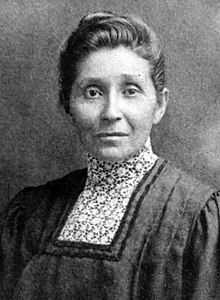
Dr Susan LaFlesche, Omaha Physician

Susan LaFlesche was the first American Indian woman to become a doctor and to practice Western-style medicine among her own people. She became a doctor at a time when there were only a handful of other Indian doctors trained in western medicine—Charles Eastman and Carlos Montezuma. In addition, it was highly unusual at this time for a … Continued

By admin

Indian Tribes of the Great Basin Culture Area

The Great Basin Culture Area includes the high desert regions between the Sierra Nevada and the Rocky Mountains. It is bounded on the north by the Columbia Plateau and on the south by the Colorado Plateau. It includes southern Oregon and Idaho, a small portion of southwestern Montana, western Wyoming, eastern California, all of Nevada … Continued

By admin

Buffalo Hunting Among Northern Plains Indians Prior to the Horse

For thousands of years, the Indian nations of the Northern Plains relied upon the buffalo—technically bison, but commonly called buffalo—for food, for clothing, for shelter, and for tools. Before the coming of the horse, buffalo were hunted using either a buffalo jump or a corral. The corral or impound method involved building a timber corral … Continued