By admin

The Cherokee Trail of Tears

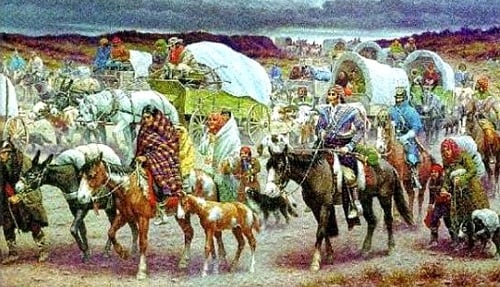
By the first part of the nineteenth century, many non-Indians in the United States, particularly in the southern states, felt strongly that there should be no Indians in the United States. They felt that all Indians should be forced to move from their ancestral homelands to new “reservations” located west of the Mississippi River. In … Continued
The Cherokee Trail of Tears

By admin

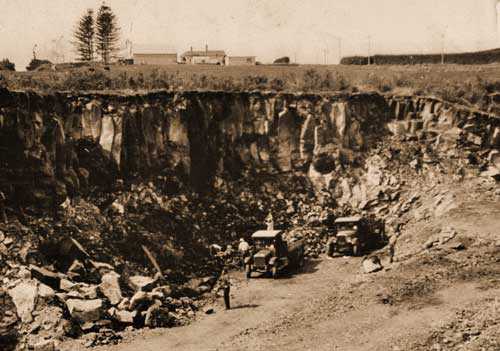
Ancient America: Quarry Sites in Montana

One of the common ways of making stone tools throughout the world is by breaking and flaking: a process commonly called flintknapping. Tools made by flintknapping included points (both spearpoints and later arrowpoints), knives, scrapers, and other cutting implements. The process of breaking stone to form tools is not a random process: it is not … Continued

Ancient America: Quarry Sites in Montana

By admin

Ancient America: Montana Prior to 6000 BCE

While the region of North America known today as Montana entered into written Euro-American histories in the early nineteenth century with the Corps of Discovery led by Meriwether Lewis and William Clark, Indian people had been living in the area for many millennia. Archaeologists often refer to the era prior to 6000 BCE as Paleo-Indian. … Continued

Nez Perce Political Organization

By admin

Métis

While the first Native American-European fur trade exchange happened about the year 1000 with Norse (i.e. Viking) entrepreneurs from Greenland, the fur trade didn’t really have a major impact on Native cultures until the seventeenth and eighteenth centuries. The fur trade not only brought new goods into Indian nations, but also resulted in the emergence … Continued

Native American-European fur trade exchange

By admin

Ancient America: The Lower Columbia River Area

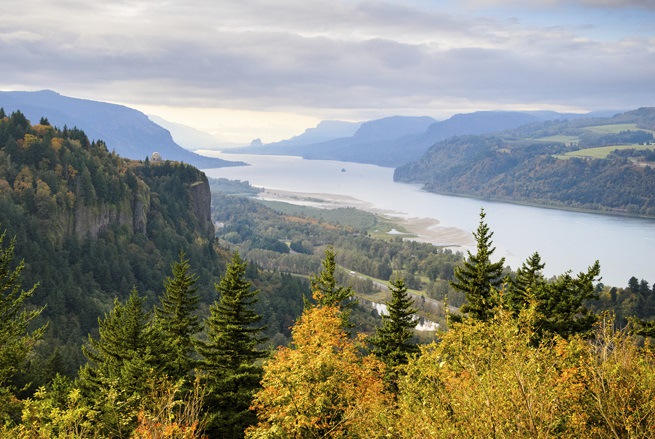
In 1805, the American Corps of Discovery under the leadership of Meriwether Lewis and William Clark made its way down the lower Columbia River. This area, from Celilo Falls near the present-day Oregon city of The Dalles, to the Wapato Valley (the Portland Basin), to the mouth of the river, was inhabited by numerous Chinookan-speaking … Continued

The Lower Columbia River Area

By admin

Ancient America: A Plateau Clovis Cache

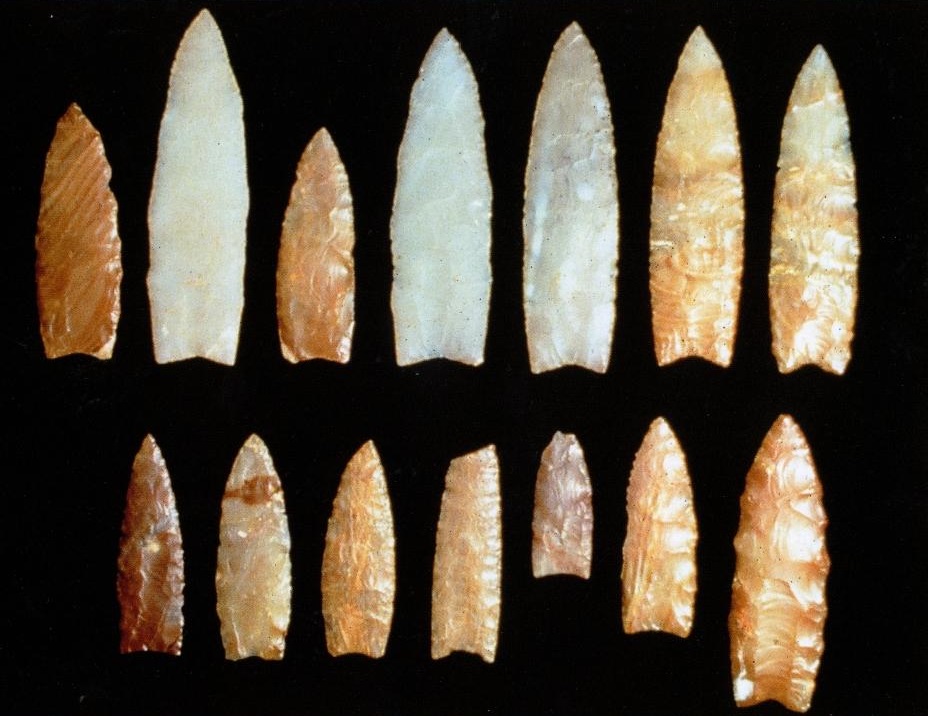
As the ice age was ending in North America, a new hunting technology arose. This technology, commonly known as Clovis after a find in New Mexico, is characterized by a finely made stone projectile point with a characteristic flute which helps in attaching the point to an atlatl dart. One of the principle weapons used … Continued

A Plateau Clovis Cache

By admin

Shawnee Political Organization

The Shawnee were a confederacy of five autonomous political units: Chillicothe (Chalahgawtha), Hathawekela (also spelled as Thawekila or Thawegila), Kispoko (Kispokotha), Mequachake (Mekoche or Maykujay), and Piqua (Pekowi). Each of these divisions had its own chiefs. Within the Shawnee, however, each of the five had specific responsibilities. The Chillicothe and Thawekila provided tribal leaders and … Continued

Shawnee Political Organization

By admin

Some American Indian Beliefs About an Afterlife

When the European invasion of North America began there were more than 600 autonomous Indian nations in the region, each with its own religion. While many of these aboriginal religions focused on the harmony of present-day life rather than obtaining a reward or punishment in an afterlife, many of them did have a concept of … Continued

Some American Indian Beliefs About an Afterlife

By admin

Tlingit Migrations

The Northwest Coast, one of the most culturally and linguistically diverse culture areas in North America, occupies the area between the Pacific Coast and the mountains from Alaska through northern California. The Tlingit are the northernmost tribe in the Northwest Coast Culture Area. At the time of European contact, the Tlingit homelands included the coast … Continued

Tlingit Migrations