By admin

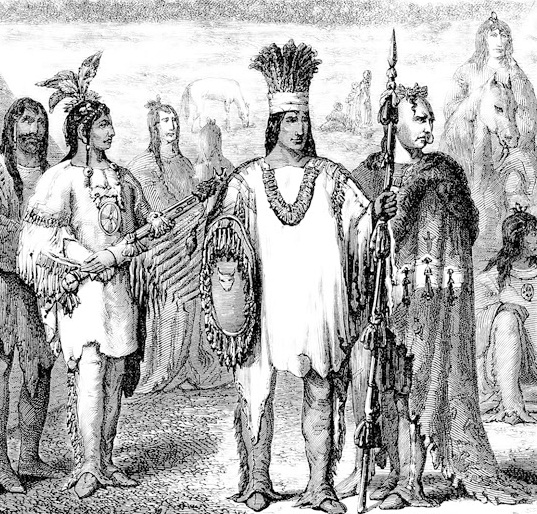
Early French Encounters With Indians

The 16th century marked the beginning of the European invasion of North America. The Spanish had already firmly established themselves in the Caribbean islands and were attempting to move north into Florida. The Portuguese had explored the coast of what would become Canada. European interests in the Americas were fueled by stories of great wealth … Continued
Early French Encounters With Indians

By admin

6,000 Years Ago

Six thousand years ago, American Indians had been living throughout North America for thousands of years. They followed a lifestyle based hunting, fishing, and gathering that was determined in part by the environment. In the coastal regions, for example, Indian people subsisted on a marine diet, while in other areas plant food were more important. … Continued

By admin

1614

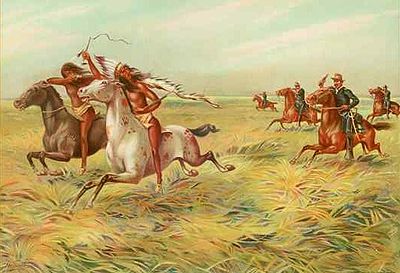
During the 17th century, four European countries—France, England, Netherlands, and Spain–established permanent colonies in the Americas. As these colonies expanded, the conflicts with the Native Americans over land increased in frequency and intensity. While the American Indian nations had superior numbers, the Europeans had a technological advantage. The Europeans were driven to conquer the “wilderness” … Continued

Conflicts with the Native Americans

By admin

The Channel Islands in the Terminal Pleistocene

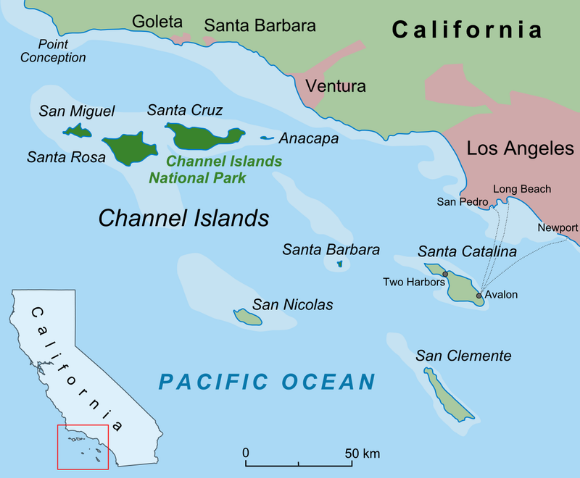
There was a time in archaeology some fifty to sixty years ago, when the basic hypothesis regarding the peopling of the Americas suggested that towards the ends of the last major ice age, as the two major ice sheets covering North America separated to create a passage from the Yukon to the Northern Plains, that … Continued

The Channel Islands in the Terminal Pleistocene

By admin

World War II Impacts Indian Reservations

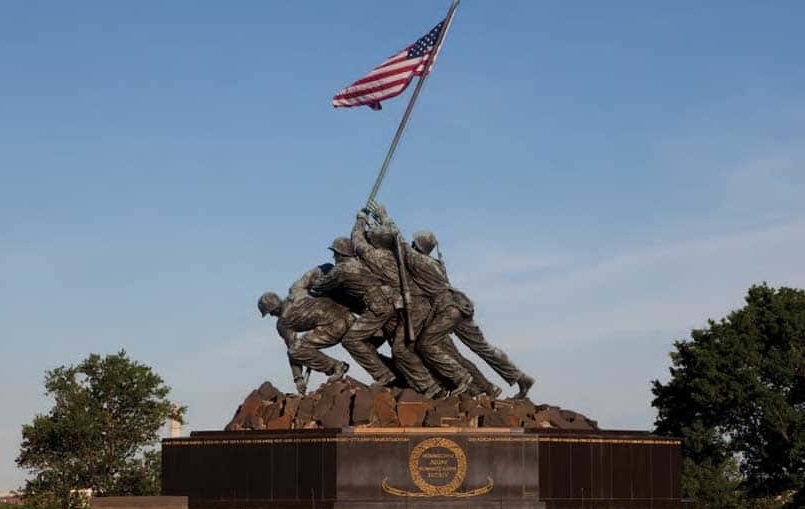
In 1942, the United States was gearing up to fight in World War II and the military efforts on the homefront had an impact on several Indian reservations. Administration of Indian Affairs: The need for office space in Washington, D.C. to support the war effort resulted in moving the Indian Bureau to Chicago. The move … Continued

World War II Impacts Indian Reservations

By admin

Tribes Ask That Oil and Gas Leases be Cancelled

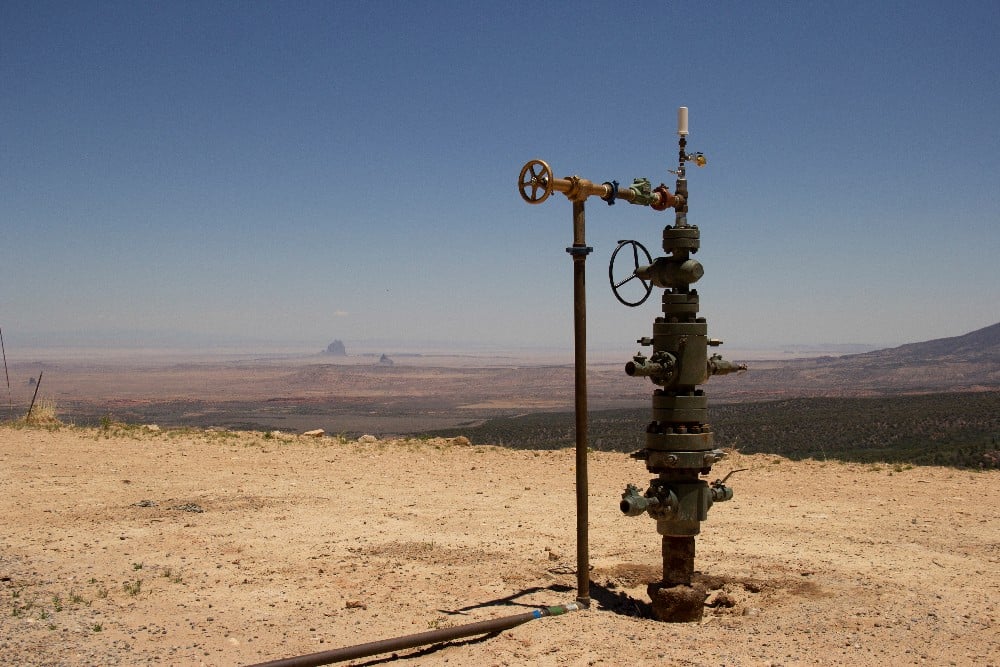
On Friday, Blackfeet tribal leaders in Montana sent letters to Interior Secretary Sally Jewell and Agriculture Secretary Tom Vilsack asking that all federal oil and gas leases in the Badger-Two Medicine area be cancelled. According to the letter:  “We respectfully request that you and your staff meet directly with representatives of the Blackfeet Tribal Business … Continued

Tribes Ask That Oil and Gas Leases be Cancelled

By admin

Aztec Social Organization

When the Spanish invaded Mexico, they found that one of the dominant empires was that of the Aztecs. While many great civilizations and empires had developed and collapses in the region over the millennia, today we know more about the Aztec society than we do about the earlier societies thanks to the observations of the … Continued

Aztec Social Organization

By admin

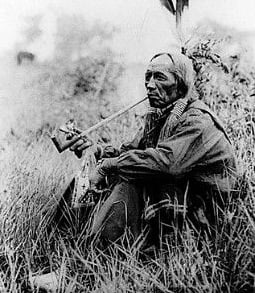
Tobacco and the Indian Nations of the Great Lakes

The western portion of the Northeastern Woodlands of the U.S., an area designated as the Great Lakes-Riverine area by some anthropologists, was inhabited by Algonquian-speaking tribes such as the Anishinabe (Ojibwa or Chippewa), Kickapoo, Potawatomi, Menominee, Shawnee, Ottawa, and Sauk and by Siouan-speaking groups such as the Winnebago, Iowa, Oto, and Missouria. The Siouan-speaking groups probably emerged from … Continued

Tobacco and the Indian Nations

By admin

1764

Two hundred and fifty years ago, in 1764, many of the Indian nations of North America had not yet had direct contact with the European colonial powers who were claiming the “God-given” right to rule them. Indirectly, however, most of the Indian nations had already been impacted by European manufactured goods and by European diseases. … Continued

Colonial Indian Policies

By admin

The Cheyenne Migrations

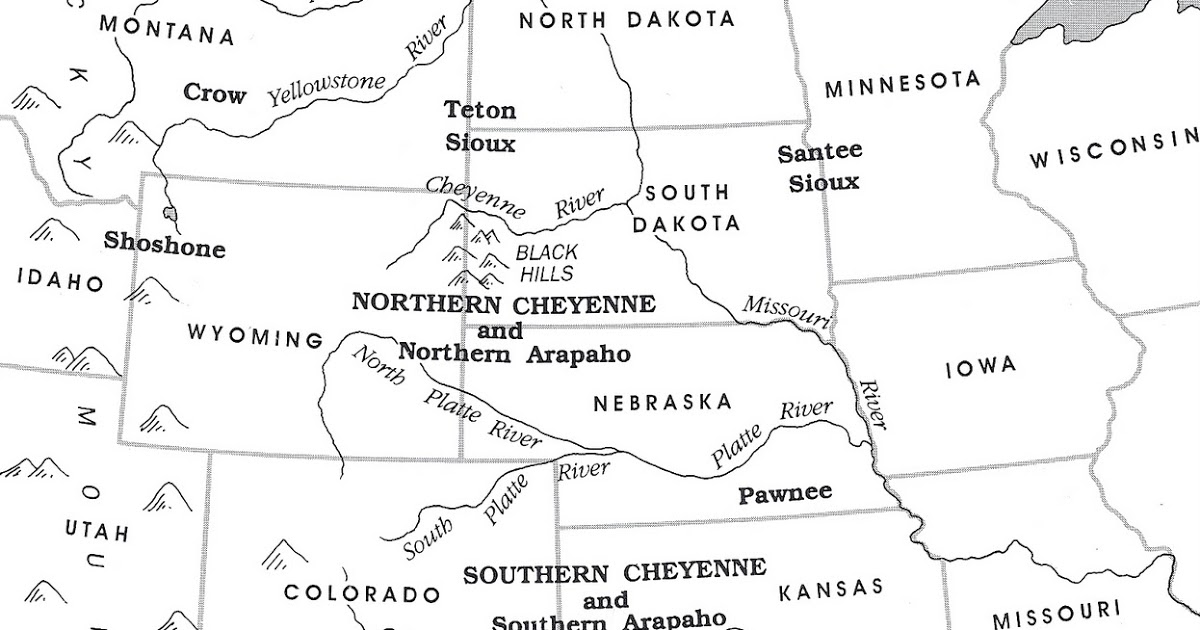
In 1851, the United States government met in treaty council with 8,000 to 12,000 Indians from several Plains tribes at Fort Laramie in present-day Wyoming. One of the tribes attending this council was the Cheyenne. While many Americans assumed that the Cheyenne had always been a Plains tribe, in fact, when Europeans first encountered them … Continued

The Cheyenne Migrations