By admin

Traditional Basketry of Grays Harbor (Photo Diary)

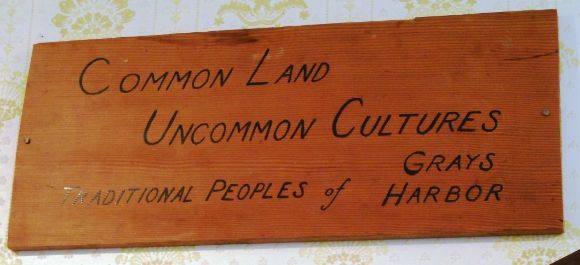
The Polson Museum in Hoquiam, Washington, has a room dedicated to “Common Land, Uncommon Cultures: Traditional Peoples of Grays Harbor.” The Quinault and Chehalis basketmakers used both wrapped and plain twined techniques. Shown below are some of the baskets which are on display. Shown above is a Quinault storage basket which uses cedar twining.  The … Continued
By admin

The Cypress Hills Massacre

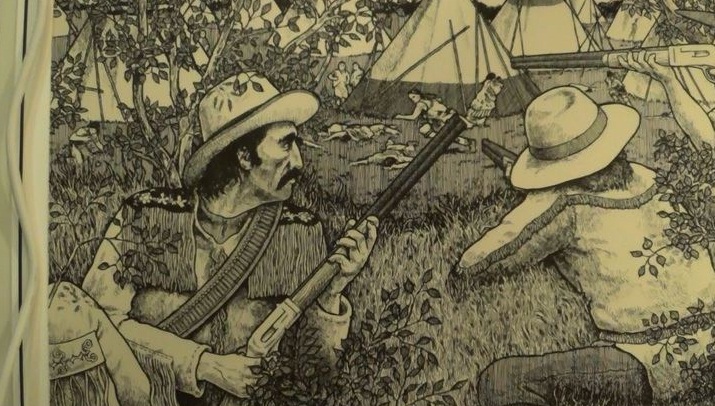
In the 1860s and 1870s packs of non-Indians known as wolfers roamed the Northern Plains of Montana and Alberta seeking to exterminate wolves. They would kill a buffalo, then douse the carcass with poison and wait for the wolves to devour the poisoned meat and die. They would then skin the wolves and collect the … Continued

The Cypress Hills Massacre

By admin

Chief Sealth (Seattle)

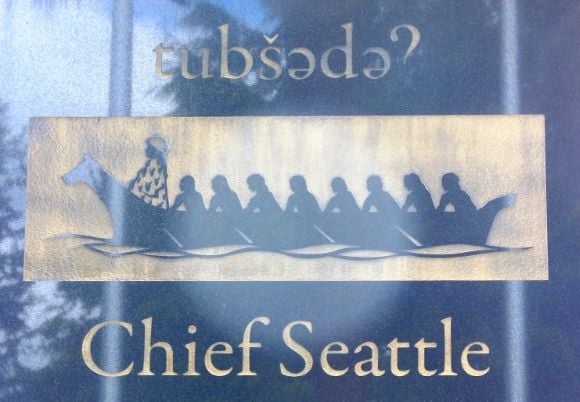
Sealth was born about 1786. His father, Schweabe, was Suquamish and his mother, Scholitza, was Duwamish. As a young boy in 1792, he witnessed the arrival of the first Europeans: British Captain George Vancouver entered Puget Sound and traded with the Suquamish.   As a young adult, Sealth successfully stopped an attack against the Suquamish … Continued

By admin

White House Council on Native American Affairs

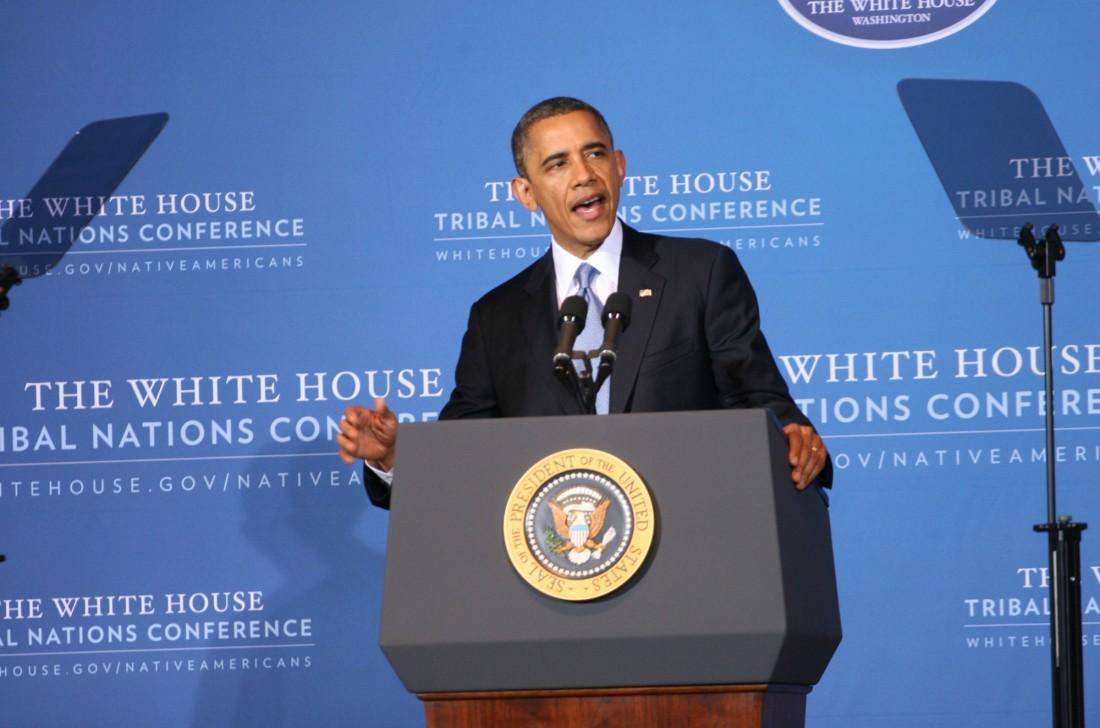
President Barack Obama has signed an executive order establishing the White House Council on Native American Affairs. The Council will be headed by the new Secretary of the Interior Sally Jewell and will have members from every Cabinet department as well as other federal agencies. According to the executive order: “The Council shall work across … Continued

White House Council on Native American Affairs

By admin

Comcomly, Chinook Chief

The river known to the Chinook Indians as Hyas Cooley Chuck collides with the Pacific Ocean to create the worst wave conditions on the planet. While Native people crossed the Bar in their large ocean-going canoes, the rough water stopped many of the early European explorers who were looking for the mythical River of the … Continued

By admin

The Tulalip and Europeans

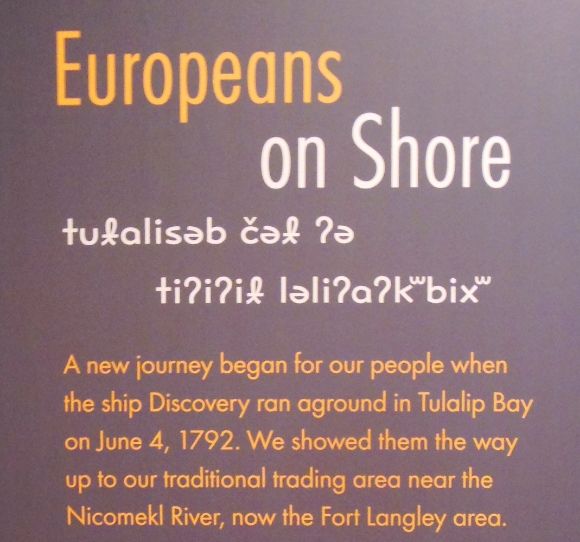
The Tulalip tribes–Snohomish, Snoqualmie, Skykomish, and others-have lived along the Salish Sea (Puget Sound) for thousands of years. Dramatic changes in their cultures began 1792 with the arrival of the British ship Discovery. Several of the displays at the Hibulb Cultural Center and Natural History Preserve tell the story of these changes from the Tulalip … Continued

By admin

Ranald MacDonald, Teacher of English to the Japanese

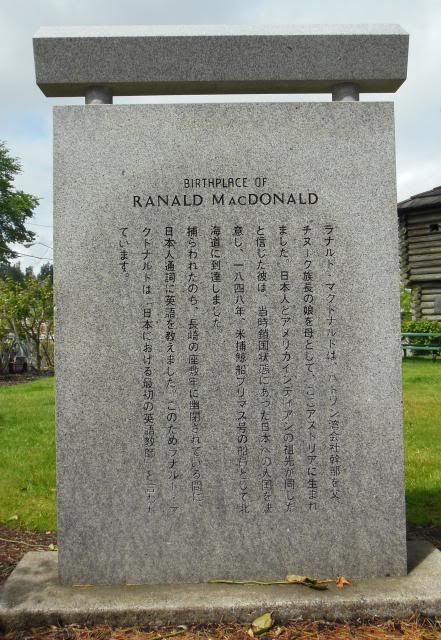
In 1853 Commodore Matthew C. Perry brought the American Navy to Japan and forced Japan to end its policy of isolation from the rest of the world. In the negotiations, the Japanese government had interpreters who spoke English. Since Japan had isolated itself from the rest of the world and had barred foreigners from their … Continued

By admin

Honoring Tulalip Veterans (Photo Diary)

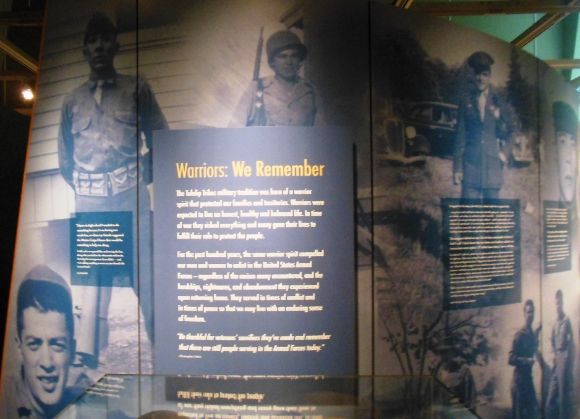
As with other American Indian nations, people from the Tulalip tribes in western Washington–Snohomish, Snoqualmie, Skykomish, and others-have served in the American military during the twentieth and twenty-first centuries. One room in the Hibulb Cultural Center and Natural History Preserve honors the Tulalip veterans and tells many of their stories.   The drum shown above … Continued

By admin

Traditional Peoples of Grays Harbor (Photo Diary)

The Polson Museum in Hoquiam, Washington, has a room dedicated to “Common Land, Uncommon Cultures: Traditional Peoples of Grays Harbor.” Shown below are some photographs from these displays.   Shown above is an iron harpoon point. At the time of first contact with the Europeans, Indians were already familiar with iron. They made items such … Continued

By admin

The Tulalip Longhouse (Photo Diary)

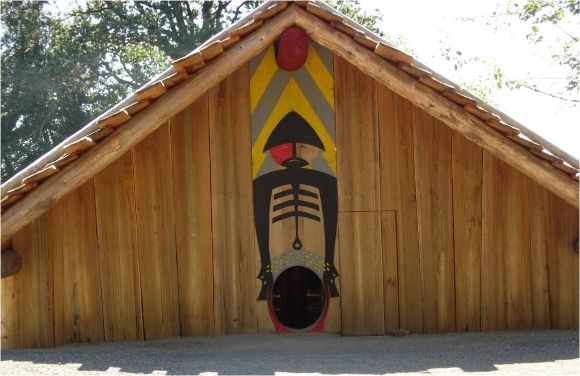
The people of the Tulalip tribes would traditionally spend the winter in their longhouses situated in permanent villages. During the winter months, a great deal of teaching would take place around the longhouse fires. During this time, the elders would pass on the family stories, songs, lineages, and moral teachings. According to the display: “Our … Continued