By admin

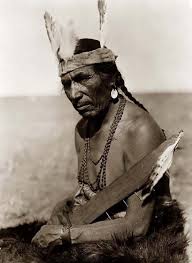
The Navajo Reservation in the 1950s

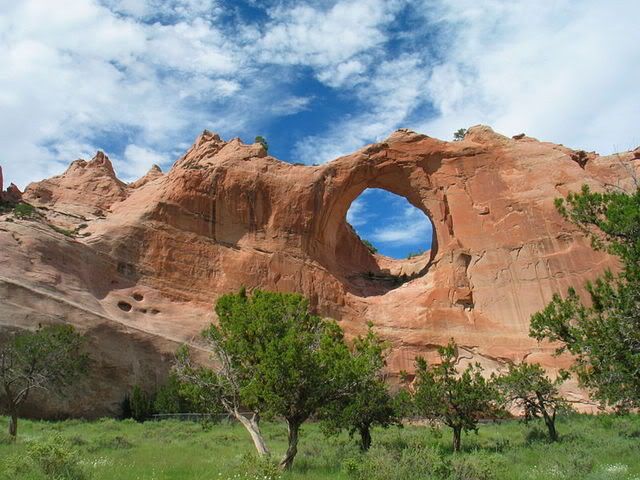
The Navajo Reservation with its tribal headquarters in Window Rock, Arizona, is the largest Indian reservation in the United States. During the 1950s, the Navajo had to deal with an American government which was firmly committed to the destruction of the Indian way of life and to the transfer of any possible reservation wealth to … Continued
By admin

Nepinak and Katchiwe family

Hi All, Am wondering about the origins of the people that use the surname of Nepinak (Neebinah-maqua or SUMMER BEAR) and Katchiwe (Ke-Kasheway) who are both Ojibwe families.  We believe that we came to Manitoba around the 1790’s.  The Nepinak family is to be a part of the BEAR clan. Our people signed treaty with … Continued

By admin

Trying to research for my daughter the Blackfoot tribe

Hi My name is Jennifer and I am looking to find out more information for my daughter. She connected with her biological father last year and as they got to know each other better he had told her that she had some native american in her. He thought they had came from the Blackfoot tribe. … Continued

Blackfoot tribe

By admin

Ancient America: Florida BCE

American Indians occupied, utilized, and developed the peninsula known as Florida for thousands of years. Our knowledge of the ancient past-of Florida, BCE-comes primarily from archaeology. Unfortunately, archaeology tells the story of the past based on material remains which means that these remains must have endured for thousands of years, then be found, and finally … Continued

By admin

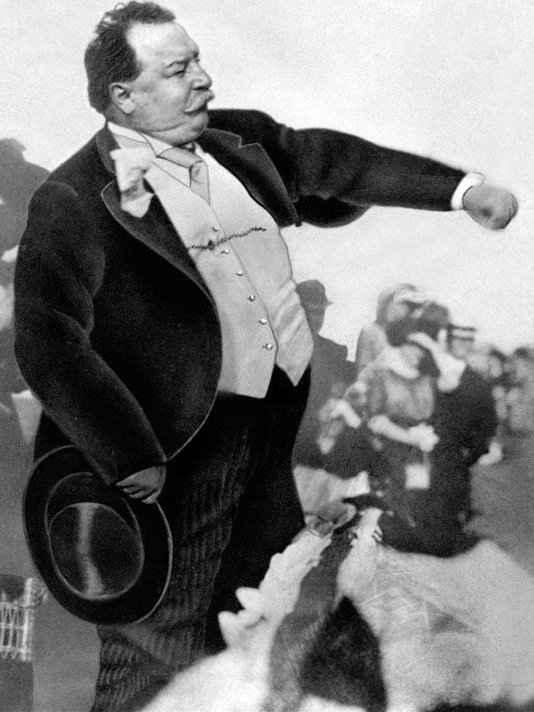
President Taft and the Indians

William Howard Taft served as President of the United States from 1909 to 1913. Like most American Presidents, Taft took office with little background in or awareness of American Indians. Yet during his term as a progressive Republican he impacted the lives Indian people.   Administration of Indian Affairs: In the United States, the administration … Continued

President Taft

By admin

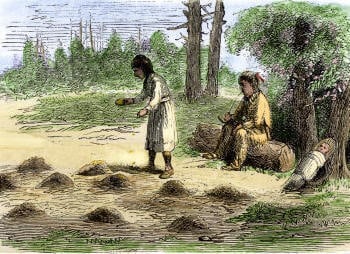
Aboriginal Farming in New England

When the Pilgrims first arrived in New England in 1620, they viewed the area as an undeveloped wilderness. One of their first activities was to rob Indian graves, taking from them, among other things, maize (commonly known as corn). While the Pilgrims relied on the produce from Indian farms-corn, beans, and squash-for their survival they … Continued

Aboriginal Farming in New England

By admin

Ojibwa Migrations

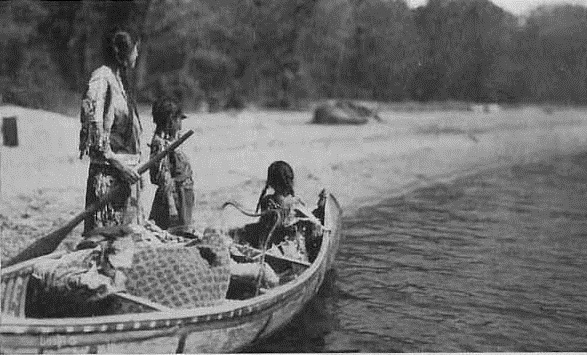
Migration is an important part of the oral traditions and histories of many Indian nations. The oral tradition of the Ojibwa (Anishinabe) tells of the five original clans – Crane, Catfish, Loon, Bear, and Marten – traveling west from the Atlantic Ocean, through the Great Lakes and into what are now Minnesota, Ontario, and Manitoba. … Continued

Ojibwa Migrations

By admin

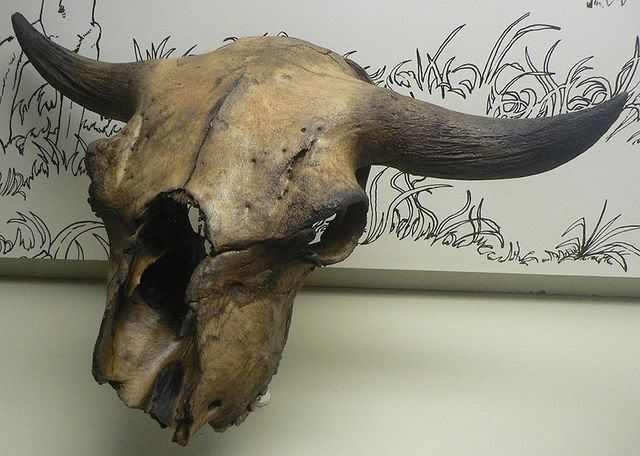
The Archaeology of Head-Smashed-In, Alberta

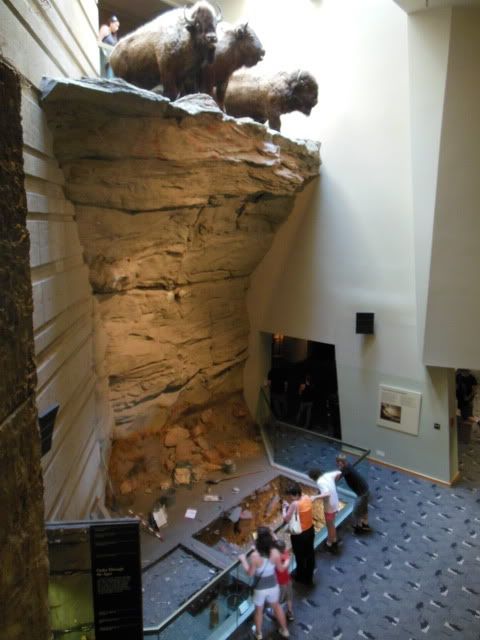
Archaeology is the study of the past through material remains. One of the goals of archaeology is discovery and description. Discovery and description, however, is only the first step: archaeologists also seek to develop explanations. Understanding the past means that we should try to understand how people lived in the past and why changes occurred. … Continued

By admin

The Michif Language

The French, unlike the English and the Spanish, saw Indians as trading partners. The French saw that their best opportunity for economic gain was to be found in the fur trade in which their Native American trading partners would retain their autonomy and provide them with furs. The French explorers quickly established trading relations with … Continued

The Michif Language

By admin

Navajo Weaving

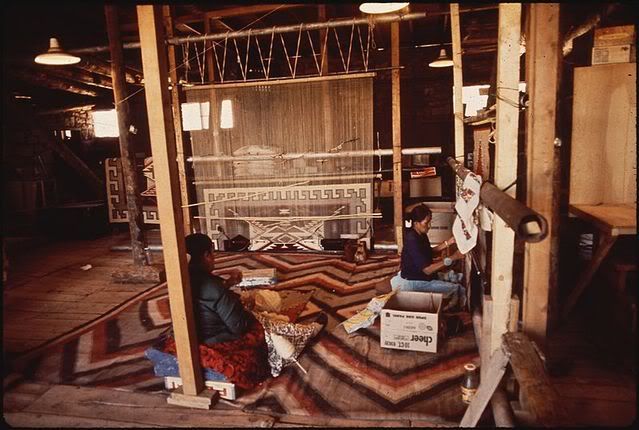
Even the most casual tourist who travels through the Navajo lands of Arizona, New Mexico, Colorado, and Utah cannot help but notice the abundance of fine weavings commonly called “rugs” which are offered for sale at roadside stands, tourist traps, restaurants, museums, and fine arts galleries. Navajo weavings are some of the best-known and most … Continued