By admin

Columbia River Pictographs (Photo Diary)

For more than 10,000 years Indian people have lived adjacent to the Columbia River. In the Columbia Gorge area, hundreds, if not thousands, of archaeological sites provide silent testimony to this long period of human occupation. Rock art, in the form of petroglyphs and pictographs, is found throughout the area. The area along the Columbia … Continued
By admin

Ancient Mexico: The Zapotec and Monte Alban

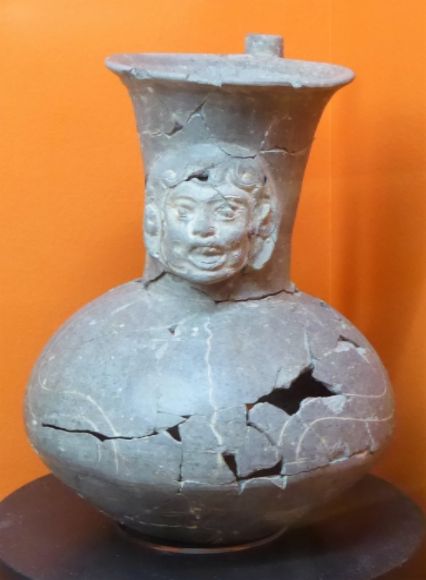
From 1500 BCE until about 1200 CE, the Zapotec were one of the prominent and historically important groups in Mesoamerica. They originated in the Valley of Oaxaca in Mexico. Their major archaeological sites include Monte Albán, Dainzu, Huitzo, Monte Negro, Yagul, and Zaachila. The Zapotec By 1500 BCE, the Cloud People (Ben Zaa, Gula’sa, or … Continued

By admin

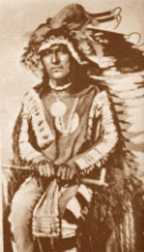
Roman Nose, Cheyenne Warrior, Was Different Things To Different People

Source “…Roman Nose made his record against the whites, in defense of territory embracing the Republican and Arickaree rivers. He was killed on the latter river in 1868, in the celebrated battle with General Forsythe. Roman Nose always rode an uncommonly fine, spirited horse, and with his war bonnet and other paraphernalia gave a wonderful … Continued

By admin

Gertrude Simmons Bonnin, Writer, Activist, Musician

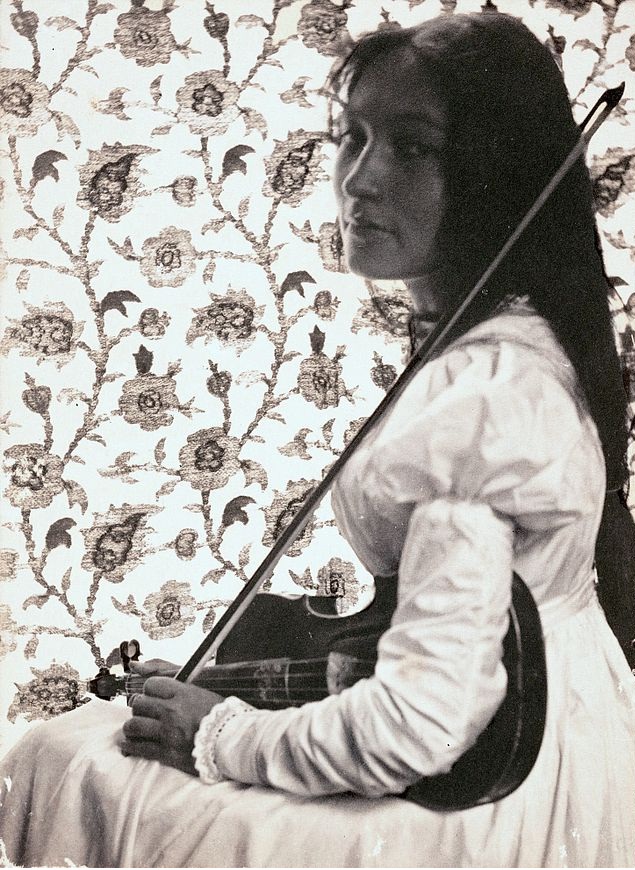
Yankton Sioux (Nakota) writer and activist Gertrude Simmons Bonnin was born in 1876 and grew up on the Yankton Agency in South Dakota. Her mother was Reaches for the Wind (Tate I Yohin Win, also known as Ellen). Her father abandoned his wife and Ellen married John Haysting Simmons. Gertrude Simmons grew up on the … Continued

Gertrude Simmons Bonnin

By admin

Dam Indians: The Flathead Reservation

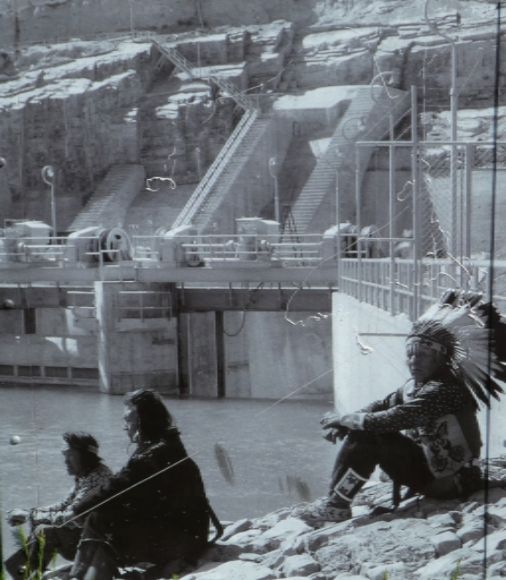
The Flathead Indian Reservation in Western Montana was created in 1855 as a result of the Hell Gate Treaty Council with the Salish-speaking Pend d’Oreilles, the Salish-speaking Flathead (also known as the Bitterroot Salish), and the Kootenai. While Washington Territory Governor Isaac Stevens considered these tribes to be unimportant, the American government wanted to consolidate … Continued

By admin

Public Lands: Indian Languages Along the Trail (Photo Diary)

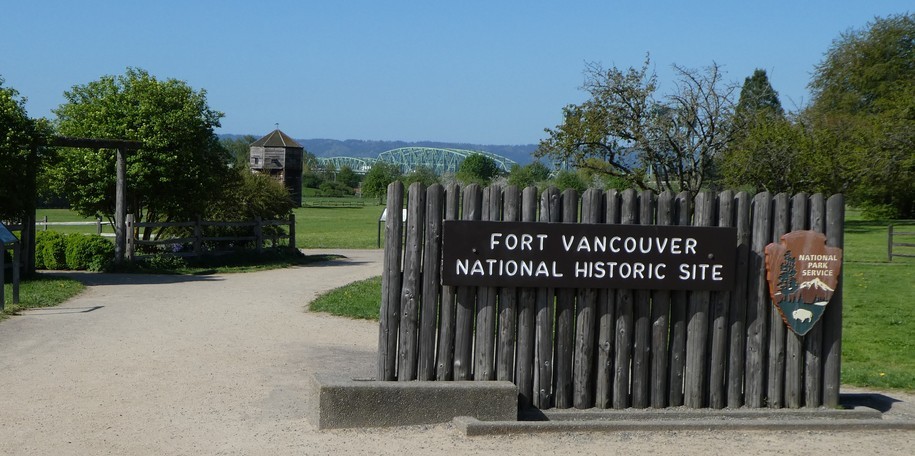
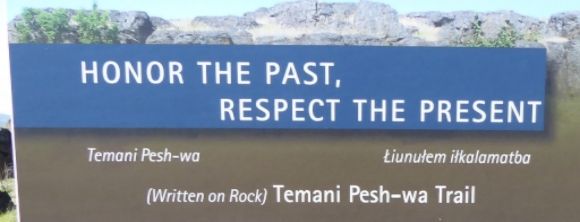
The Discovery Historic Loop Trail in Vancouver, Washington, runs from historic Fort Vancouver National Historic Site across the Vancouver Land Bridge designed by architect Johnpaul Jones, in collaboration with artist Maya Lin, to the Old Apple Tree Park. Along the Vancouver Land Bridge there are several areas acknowledging the American Indian languages of the area. … Continued

By admin

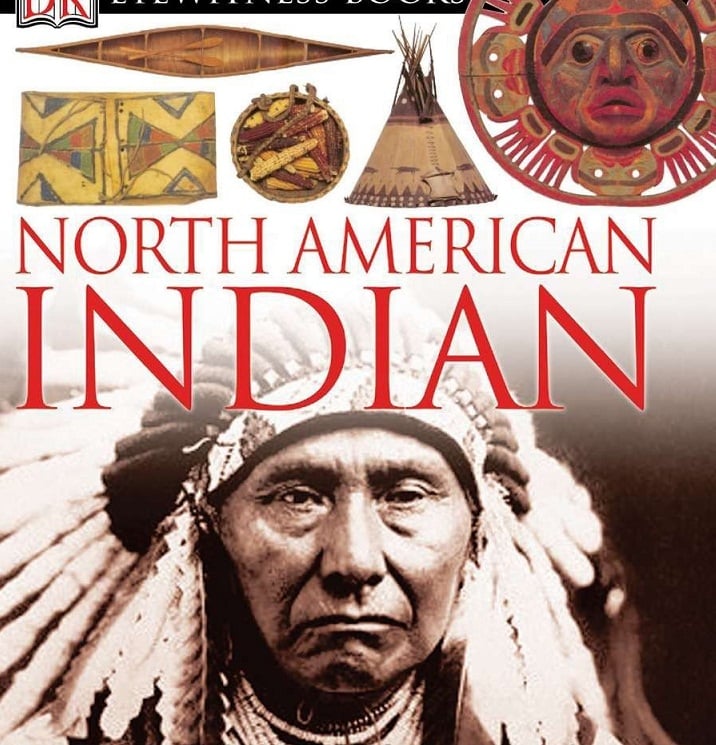
Early Twentieth Century Indian Books

During the first two decades of the twentieth century, several American Indian writers published books about American Indians. Briefly described below are some of these authors and their books. Charles A. Eastman One of the most prolific writers during this period was Dr. Charles A. Eastman (1858-1939) who was born on the Santee Dakota Reservation … Continued

Books About Indians

By admin

The Early Years of the Coast or Siletz Reservation

In 1855, the Coast Reservation was established by executive order of President Franklin Pierce. The new reservation ran approximately 102 miles north and south along the Central Oregon coast. The establishment of this reservation set in motion the relocation of several different American Indian groups in Southern Oregon and Northern California. The new reservation was … Continued

By admin

Some Plateau Indian Artifacts (Photo Diary)

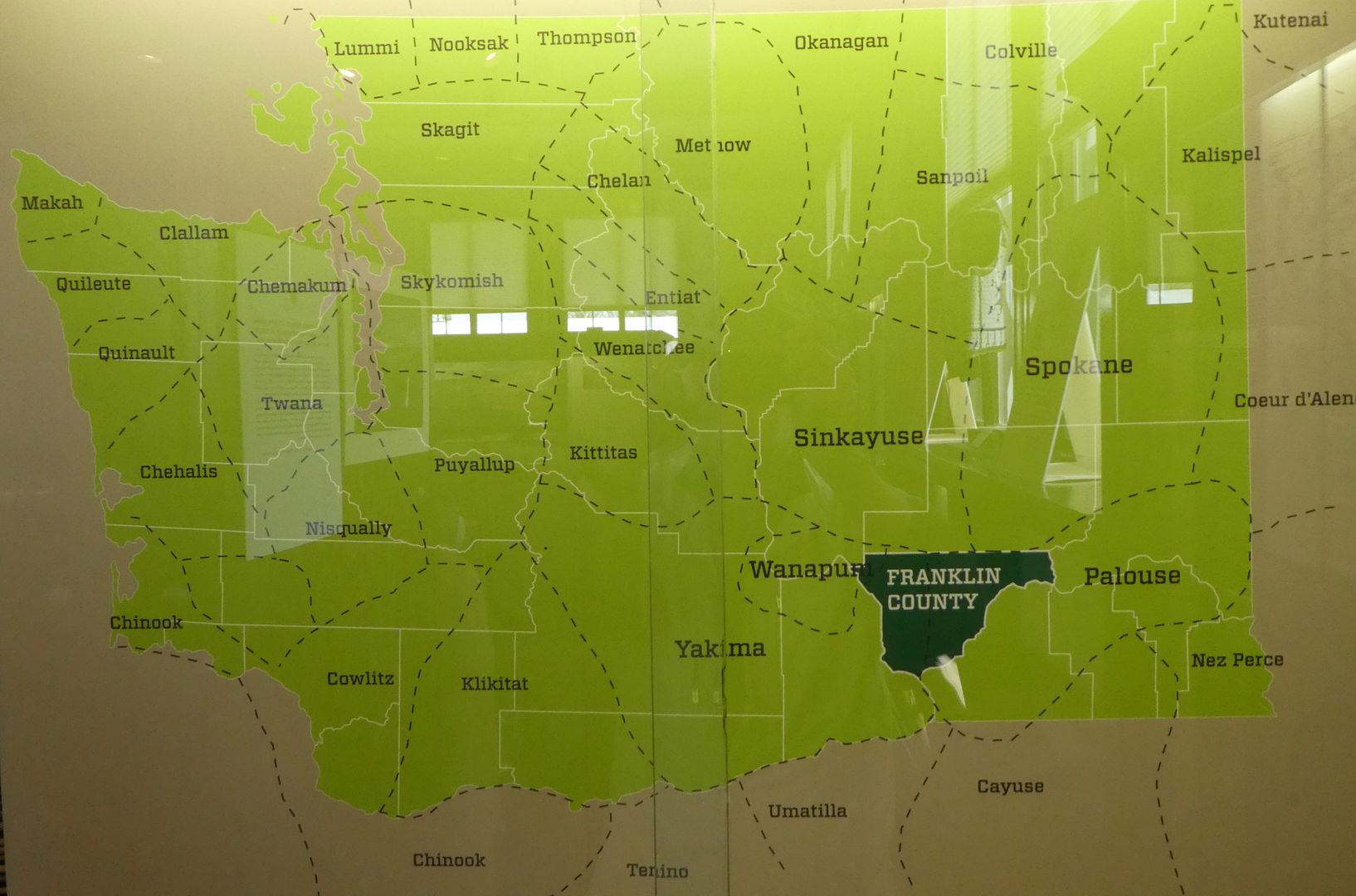
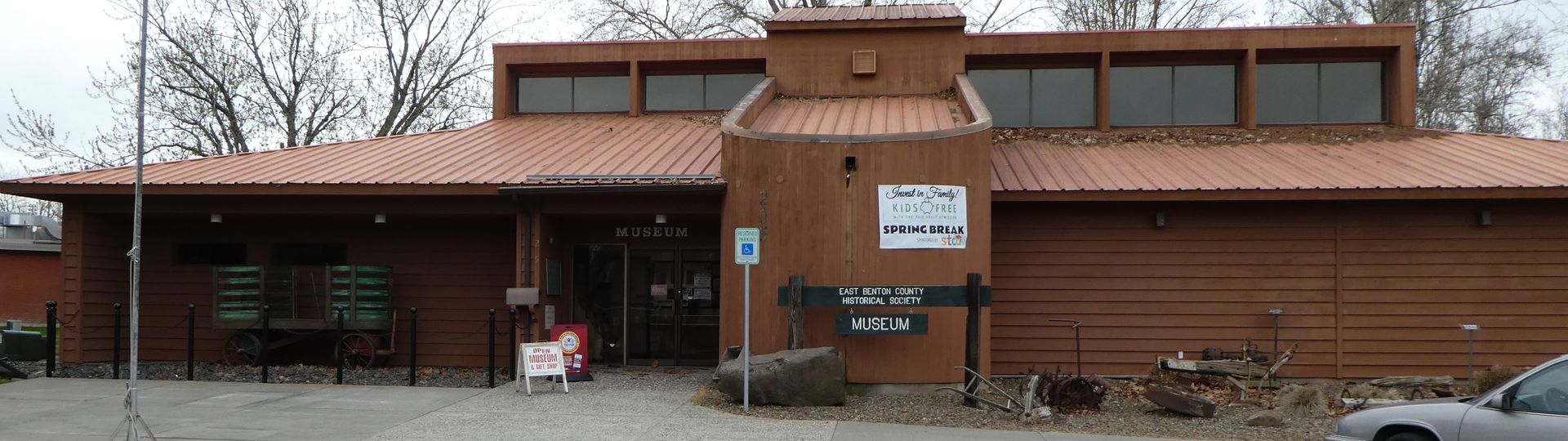
The Franklin County Historical Society and Museum in Pasco, Washington, has a display relating to the Indians in the Franklin County area. This map shows the relationship of Franklin County with the Indian Nations of Washington. Shown above is a depiction of a Wanapan village. The lodges are made using tule mats—woven from dried reeds … Continued

By admin

A Collection of Indian “Arrowheads” (Photo Diary)

Throughout the United States, private collectors for the past couple of centuries have been collecting “arrowheads” (many of these stone artifacts are not in fact arrowheads) and using them to make visually interesting displays. Such displays were part of Cabinets of Curiosities. In an article in The Indian Historian, Joan Lester writes: “They were chance … Continued