By admin

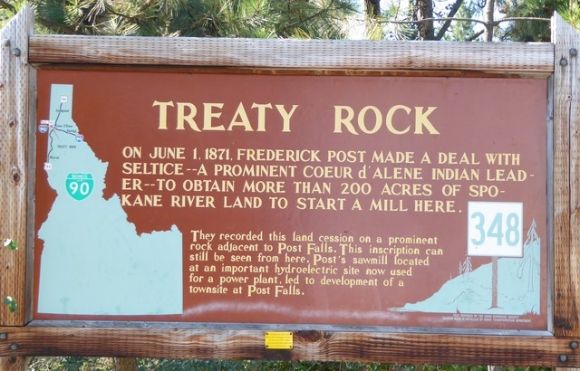
Treaty Rock and the Coeur d’Alene Indians

Long before the European invasion of North America, the Coeur d’Alene, who call themselves Schitsu’umsh, occupied a territory that included parts of eastern Washington, northern Idaho, and western Montana. According to their tribal history: “We were lake and rivers people who had permanent encampments along these waterways but also followed the natural cycle of life. … Continued
By admin

Joseph LaFlesche, Omaha Chief

From the viewpoint of non-Indians, particularly government officials in the nineteenth century, a progressive Indian leader was one who advocated the assimilation of Indians into “mainstream” American culture. One of these progressive Indian leaders was Joseph LaFlesche. Joseph LaFlesche was the son of a French fur trader and a Ponca woman. When he married an … Continued

By admin

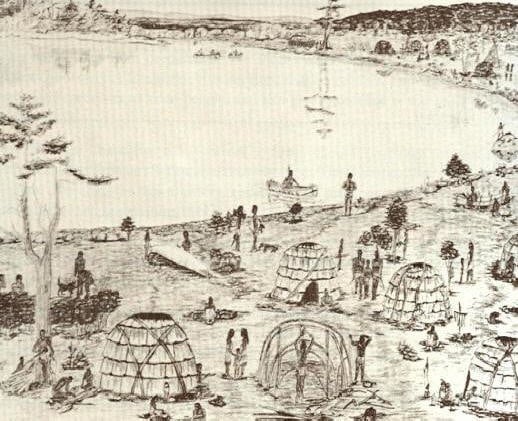
Maine Indians and Early European Explorers and Fishermen

While the Indian nations in what is now Maine may have had some limited contact with Europeans as early as 1480, regular contact began in the sixteenth century and intensified during the first half of the seventeenth century. During this time, the Indians began to incorporate aspects of European culture, such as trade goods, into … Continued

By admin

Colonists and Missionaries in Maine

By the beginning of the seventeenth century, the French and English were turning from the exploration of what is now Maine to establishing colonies and converting the Indians to Christianity. The Europeans assumed that Christianity gave them superior rights to both land and resources. The idea that the Native peoples of Maine might any rights … Continued

By admin

Huron History, 1535 to 1648

The Huron, an Iroquoian-speaking people whose traditional homeland was north of the Great Lakes, were a confederacy of four major tribes: Bear, Rock, Barking Dogs, and White Thorns (also known as Canoes). The people called their confederacy Wendat or People of the Peninsula. They were given the name Huron by the French. The first contact between … Continued

By admin

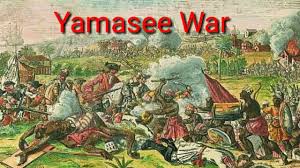
The Yamasee War and the Indian Slave Trade

The Yamasee were a Muskogean-speaking Indian nation living in what would become southern Georgia and northern Florida when first encountered by the Spanish in the sixteenth century. In 1687, the Yamasees, unhappy with the Spanish occupation and rule of their territories, moved north in South Carolina, was then under British rule. In South Carolina, the … Continued

By admin

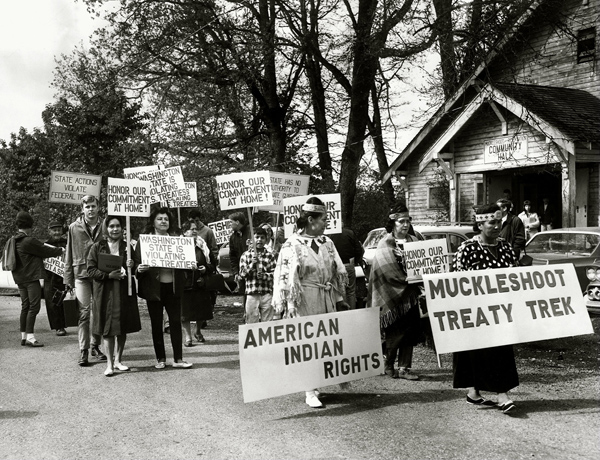
The Federal Government and Indians in 1966

In 1966, the American federal government was beginning to wind down its policies intended to end federal involvement with Indian tribes, due to resistance from the tribes. Briefly described below are some events involving federal government policies and American Indians. Commissioner of Indian Affairs         In the federal bureaucracy, Indian Affairs are administered by the … Continued

Traditional Cherokee Government

By admin

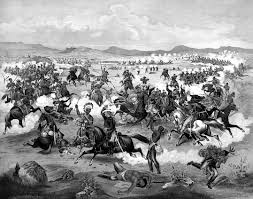
Some Indian Conflicts in 1866

The American Indian histories of 1866 carry numerous accounts of wars, battles, massacres, and other conflicts. Some of these are briefly described below. Conflicts with Non-Indians Following the Civil War, non-Indian settlement in the West increased and with this came more conflicts with the Indians who lived in the area. It was not uncommon for … Continued

By admin

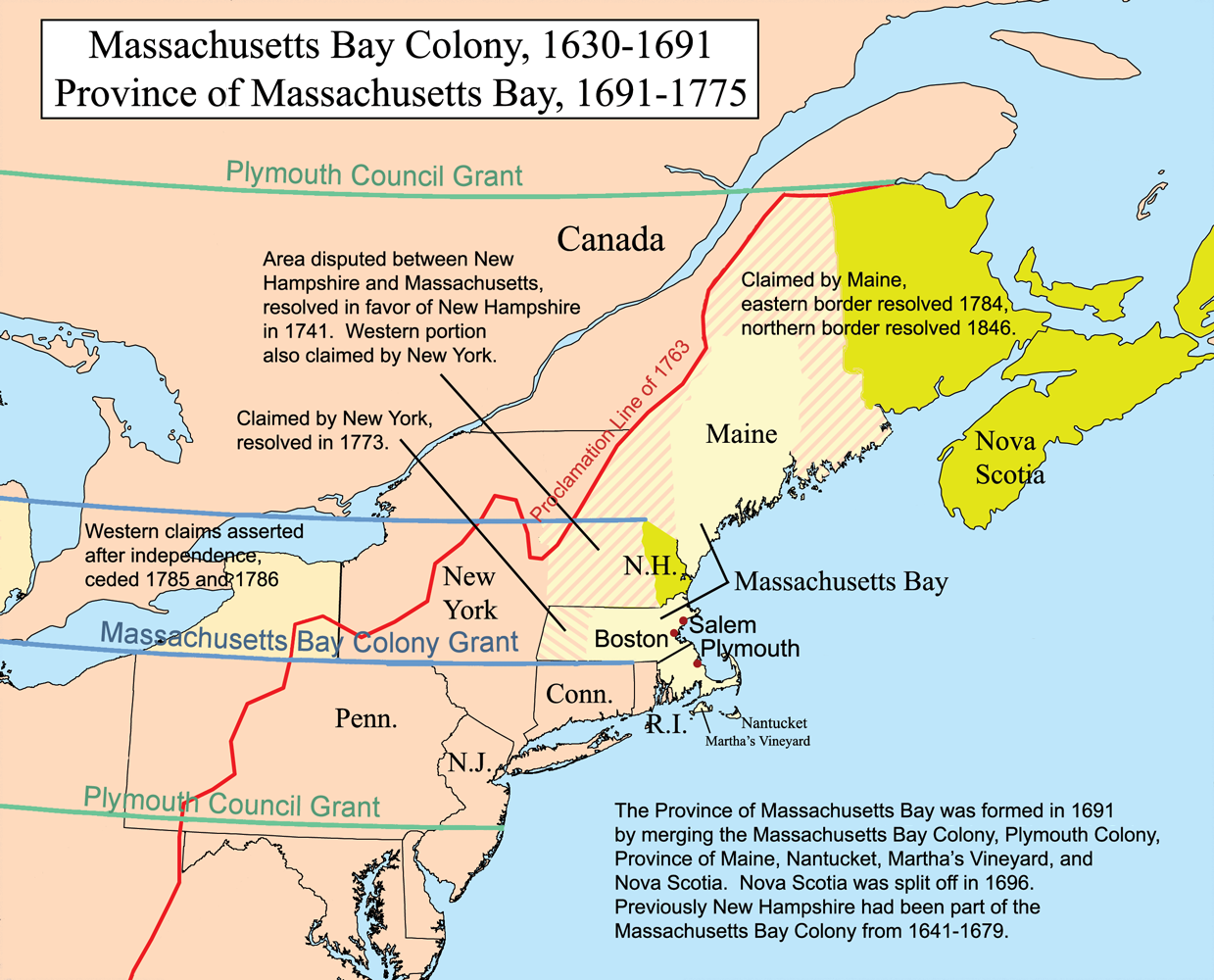
Massachusetts Prior to 1620

It is not uncommon to encounter the assumption that the history of Massachusetts began with arrival of the Pilgrims in 1620. However, Indians had lived in the area for thousands of years prior to the arrival of the Pilgrims. Furthermore, the Indians of Massachusetts had had contact with Europeans prior to 1620. Possible Contacts While … Continued

By admin

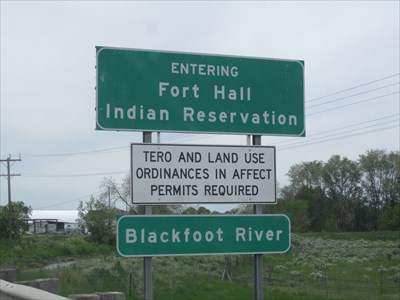
Religion on the Fort Hall Reservation, 1900 to 1934

During the nineteenth century, most government officials, missionaries, and social scientists had assumed that American Indians were a vanishing and vanquished people who would be gone by the twentieth century. It was assumed that reservations were to be temporary concentration camps to hold Indians as they either died off or fully assimilated into American culture. … Continued