By admin

The Utes, the Spanish, and Silver

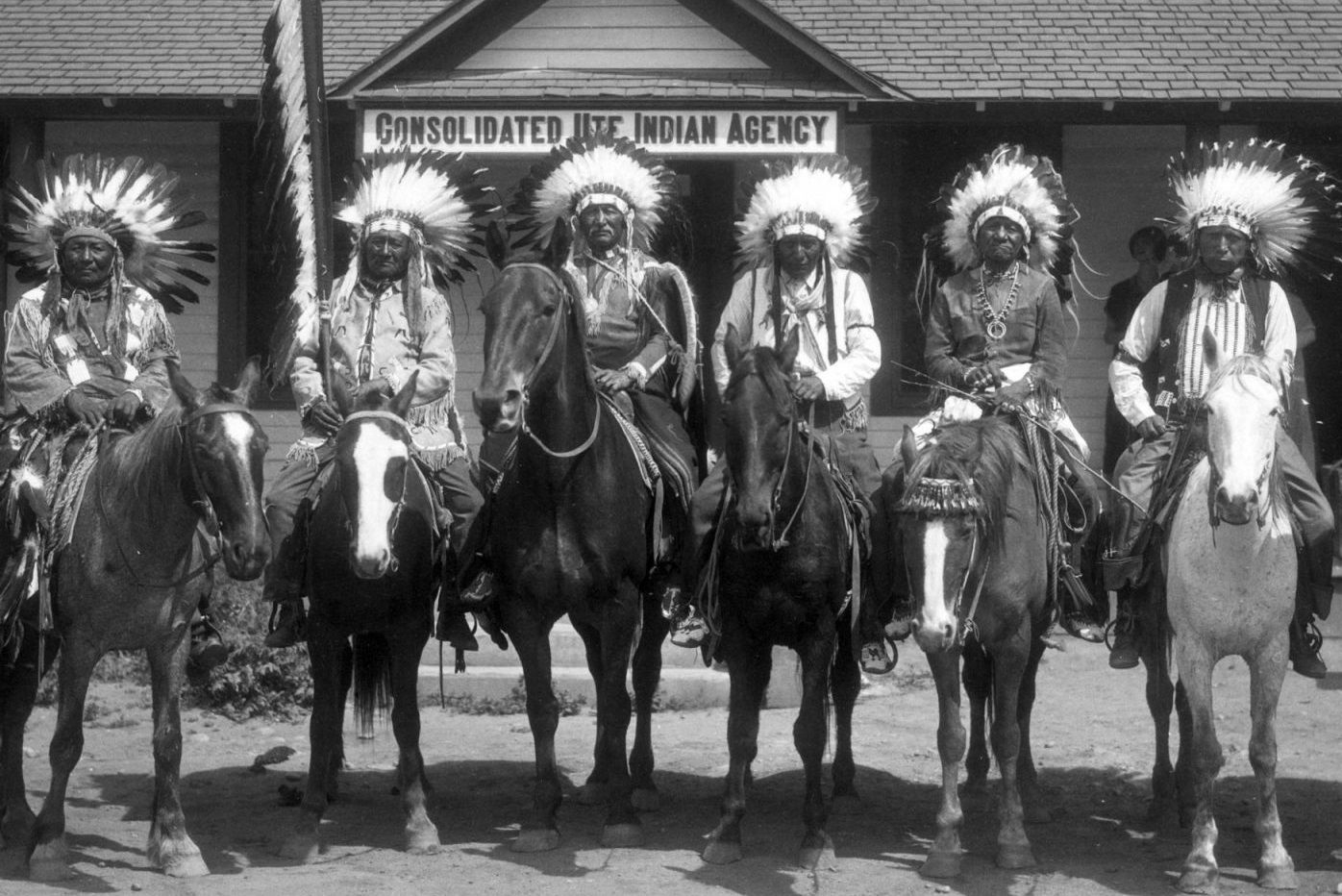
The Ute Indians, for whom the state of Utah is named, had an aboriginal homeland which included much of the present-day states of Colorado and Utah as well as portions of New Mexico and Arizona. The Utes were never a single, politically unified tribe, but were made up of about a dozen politically autonomous bands. … Continued
Ute Indian Tribes

By admin

Indian Issues in 1965

In 1965, Indian concerns centered around a number of issues, including the hunting and fishing rights which had been guaranteed in treaties; land claims often related to fraudulent treaties; Indian education; dams whose reservoirs destroyed traditional Indian lands; religious freedom; and the relationships with the states. Some of the events related to these issues are … Continued

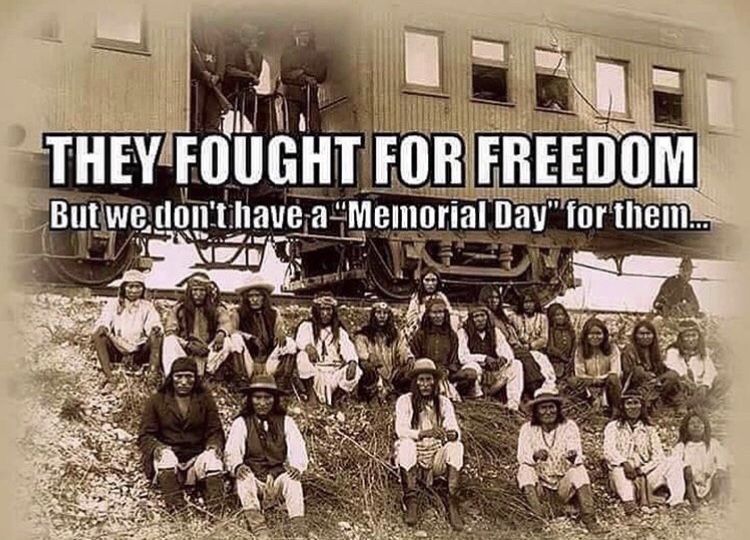
The American Indians Fight for Freedom

By admin

Wodziwob’s Ghost Dance

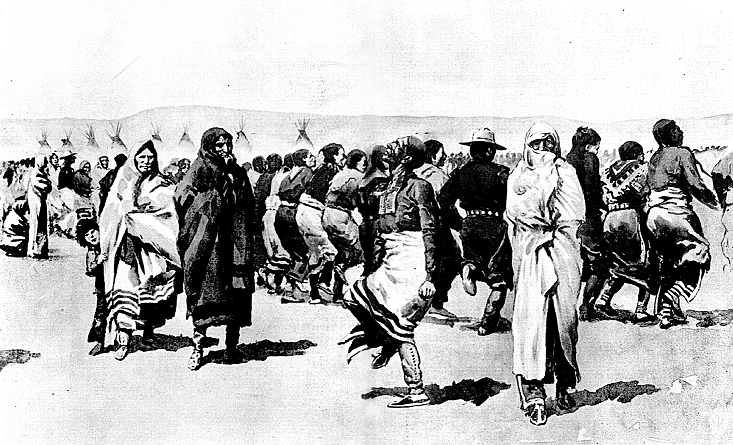
During the nineteenth century there were a number of religious movements that developed among diverse Indian tribes. One of these, called the Ghost Dance by non-Indians, arose among the Paiute in Nevada. In 1868, Paiute healer Fish Lake Joe, also known as Wodziwob, had a dream which empowered him to lead the souls of those who … Continued

Ghost Dance

By admin

California’s War On Indians, 1850 to 1851

In 1850 California was admitted to the United States as its 31st state. As with some other states, Native Americans were not seen as desirable inhabitants of the state. For the first decade of its existence, the State of California carried on a series of privatized wars of extermination against the Native American population. California’s … Continued

California’s War On Indians

By admin

Greed and the Administration of Indian Reservations in the 19th Century

With the formation of the United States in the late eighteenth century, policies toward American Indians generally followed the British colonial model in which Indians, like wolves, bears, and trees, were viewed as impediments to the taming of the wilderness. The British did not seek to incorporate American Indians into their colonial culture, but to … Continued

Greed and the Administration of Indian Reservations in the 19th Century

By admin

Honoring and Celebrating Genocide

Cultural genocide is a concept expressed by many Native Americans to describe the deliberate destruction of American Indian languages, religions, ways of dress and housing, and interpersonal relations by the invading European powers and by the United States. Cultural genocide has led to the deaths of many American Indians either through deliberate murder or as … Continued

Honoring and Celebrating Genocide

By admin

Pontiac’s War

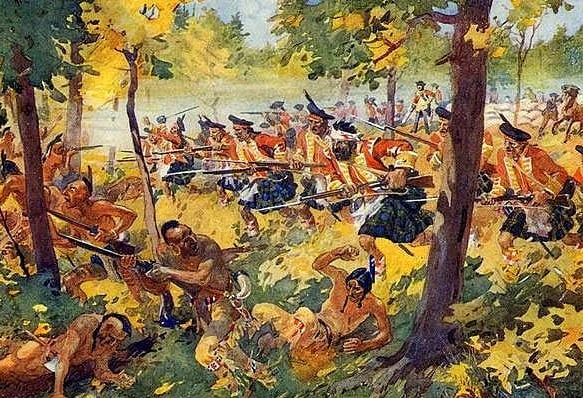
In 1763, the Ottawa leader Pontiac led an alliance of Indian nations in the Ohio Valley in a war of resistance against the British. In defeating this Indian alliance, the British turned to biological warfare in the form of smallpox. Pontiac was probably born about 1720 along the Maumee River in what is now Ohio. … Continued

Pontiac’s War

By admin

The Horse and the Plateau Indians

The stereotype of the American Indian adopted by the entertainment industry and by some educational textbooks is based on the horse-mounted, buffalo hunting Plains Indians of the nineteenth century. However, the Plains Indians were not the only ones to adopt the horse and the lifestyle changes that came with it. The Indian nations in the … Continued

The Horse and the Plateau Indians

By admin

The Lake Mohonk Conference

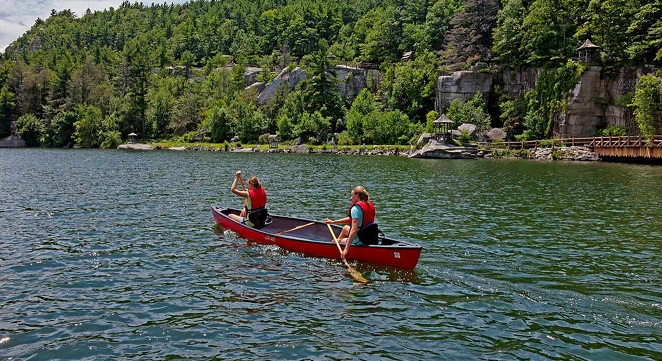
Wealthy people often feel that they know what is best for poor people. From 1883 through 1916, a small group of wealthy philanthropists, who referred to themselves as Friends of the Indian, met annually to discuss American Indian policies. As wealthy men, they had access to Congress, to the President, and to high ranking members … Continued

The Lake Mohonk

By admin

American Indians in 1915

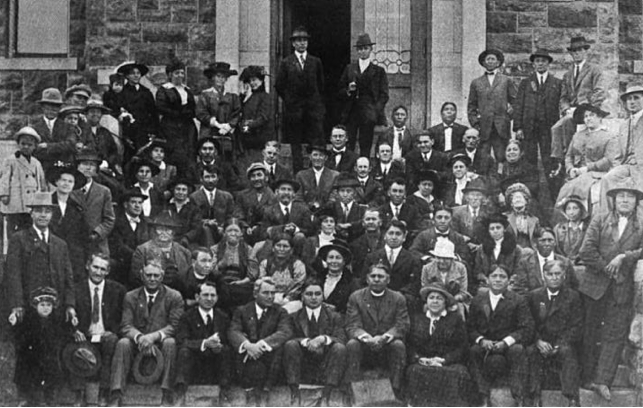
One hundred years ago, in 1915, most Indians were not citizens even though U.S. policies called for the full assimilation of Indians and the total destruction of the tribal lifestyles. At the same time, there were a number of prominent Indian voices—Indian people who were writing books, directing museums, and organizing Indian groups. Outlined below … Continued

American Indians in 1915