By admin

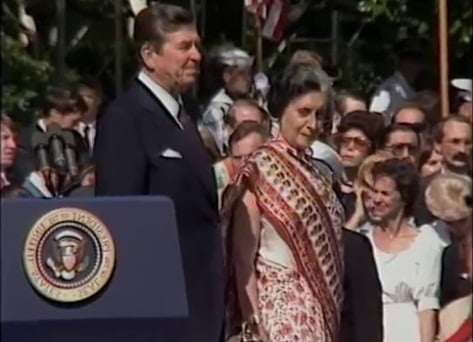
President Reagan and the Indians

There have been relatively few American Presidents-most Indians would say no American Presidents-who have had any empathy for or understanding of American Indians. In their ignorance of American Indians and their history, many Presidents simply ignored them, while others have actively discriminated against them, seeking to transfer Indian resources to corporate interests. President Ronald Reagan, … Continued
By admin

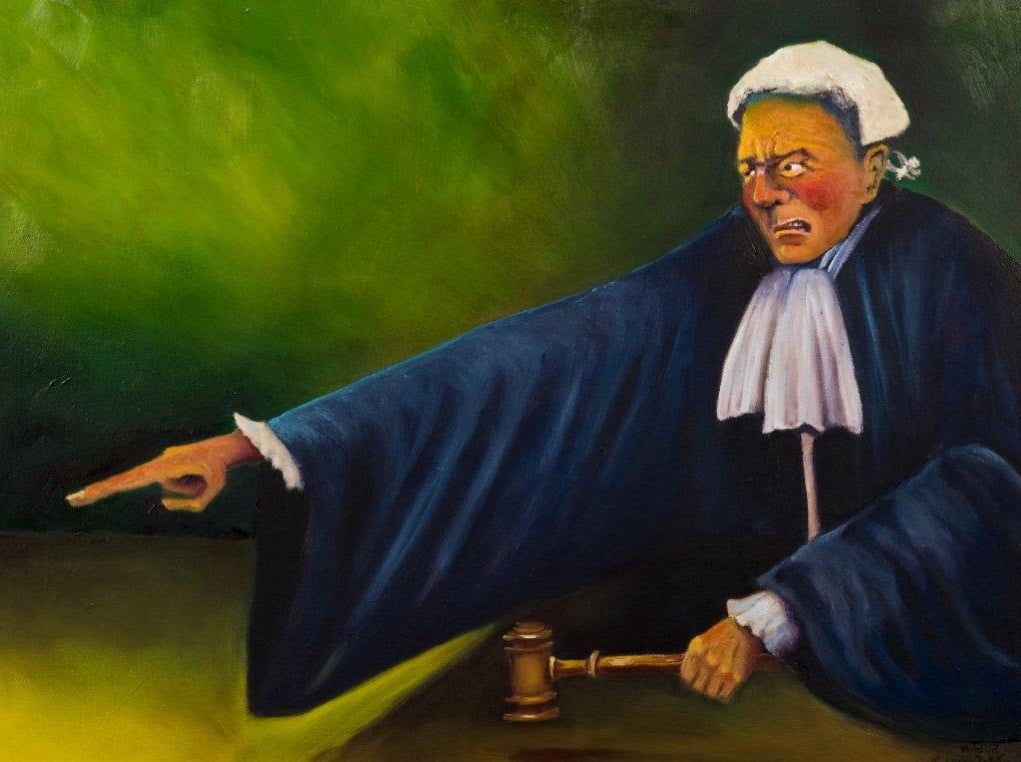
Justice Denied in the 1870s

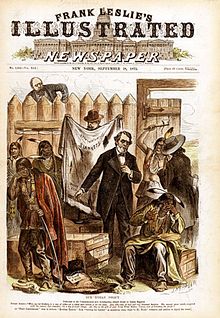
Equal protection under the law is a legal and social concept which has often not been viewed as applicable to American Indians.  During much of the nineteenth century Indians were not citizens and often state and territorial laws prohibited from testifying in courts of law. A number of instances during the 1870s illustrate how justice … Continued

Justice Denied in the 1870s

By admin

The Navajo and Oil in the 1920s

Traditionally the United States has assumed that any mineral and energy resources found on Indian reservations should be developed by non-Indian private enterprise and that Indians should benefit as little as possible from these resources. The role of the federal government in developing these resources has been to help private enterprise obtain mineral and energy … Continued

The Navajo and Oil in the 1920s

By admin

Federal Indian Policies in 1890

Throughout the first century of its existence, the United States had carried out policies intended to decimate the First Nations that had occupied the lands for thousands of years. Having accomplished its manifest destiny of occupying the continent from the Atlantic to the Pacific, by 1890 American Indian policy was focused on: (1) assimilating American … Continued

Federal Indian Policies in 1890

By admin

The Ghost Dance After Wounded Knee

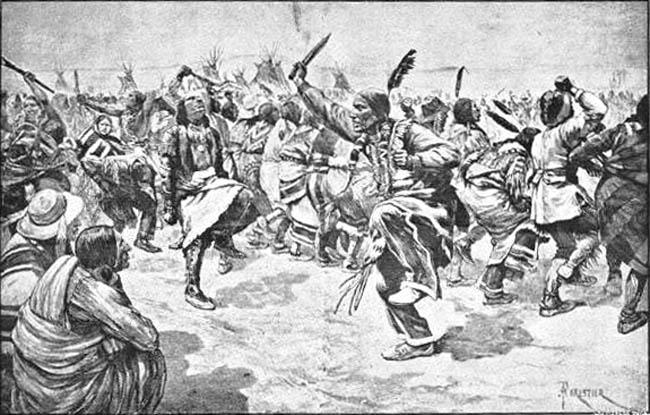
When describing the Wounded Knee massacre of 1890, many history books make two major errors: (1) they claim that this was the end of the Ghost Dance movement, and (2) they claim that this was the last armed conflict between Indians and the U.S. military. Neither of these is true. The Ghost Dance movement originated … Continued

The Ghost Dance After Wounded Knee

By admin

Bear Butte and the Struggle for Religious Freedom

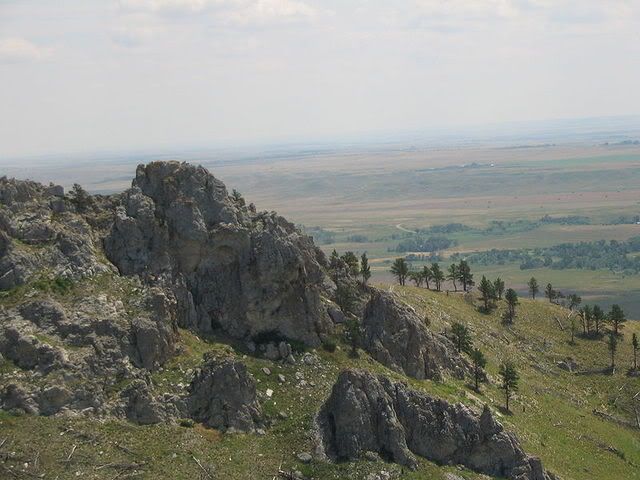
Bear Butte in South Dakota is a sacred site which is used as a vision quest site for the Sioux, Arapaho and Cheyenne. The Sioux describe Bear Butte as their most sacred altar. The Seven Sacred Rites of the Sioux were learned at the top of this mesa. The view from Bear Butte is shown … Continued

By admin

Suppressing Dissent on the Crow Reservation

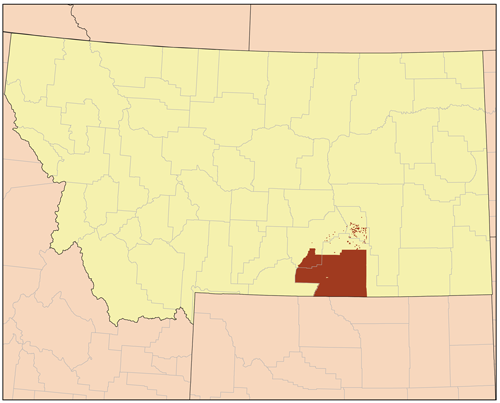
The Crow Reservation in Montana was first defined by the United States government at the Fort Laramie Treaty Council of 1851. Subsequently, the Indian Office (later known as the Bureau of Indian Affairs) assigned Indian agents to administer the reservation. In 1902 Samuel G. Reynolds became the Indian agent for the Crow reservation and began … Continued

By admin

The Hopi and the Spanish

The Spanish entrada (entrance) into the American Southwest began during the sixteenth century with explorers who were driven by greed. The Spanish hunger for gold and other fast wealth was justified in their own minds by their religion: their attempts to harvest souls for their religion justified their brutality toward the native peoples they encountered. … Continued

By admin

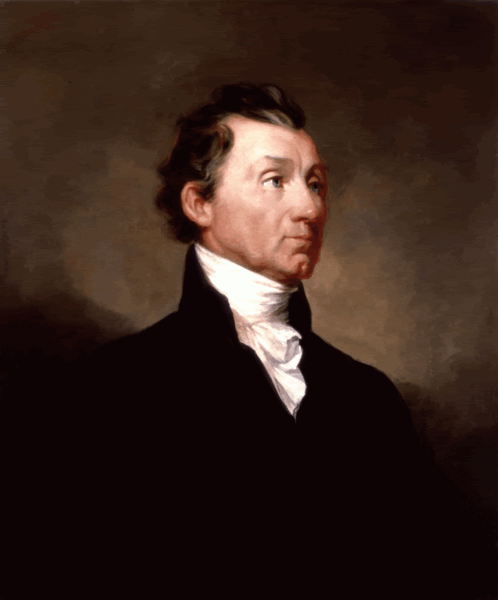
President James Monroe and the Indians

In 1817, James Monroe became the fifth President of the United States. He was the last Revolutionary War veteran and founding father to assume the Presidency. From an American Indian viewpoint, his presidential administration is important as it set the stage for Indian policies and for the administration of these policies which would guide the … Continued