By admin

Some old Indian photographs (photo diary)

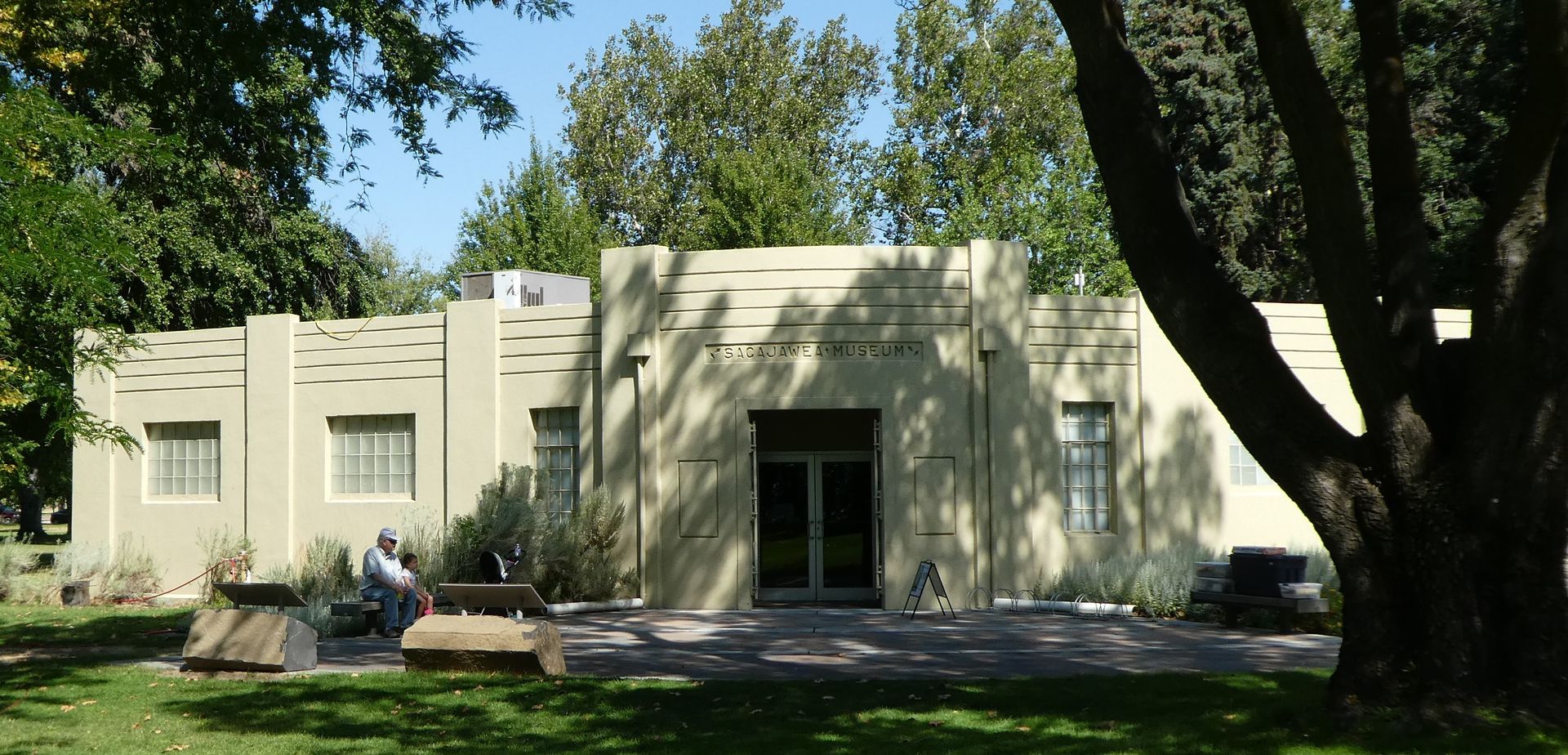
Washington’s Sacajawea State Park is located at the confluence of the Snake and Columbia Rivers. In explaining the cultural and historical significance of this place, many historic photographs of Indians are on display in the park and in the Sacajawea Museum which is located in the park. The Museum is shown above. According to one … Continued
By admin

Imposing Laws on the Nez Perce

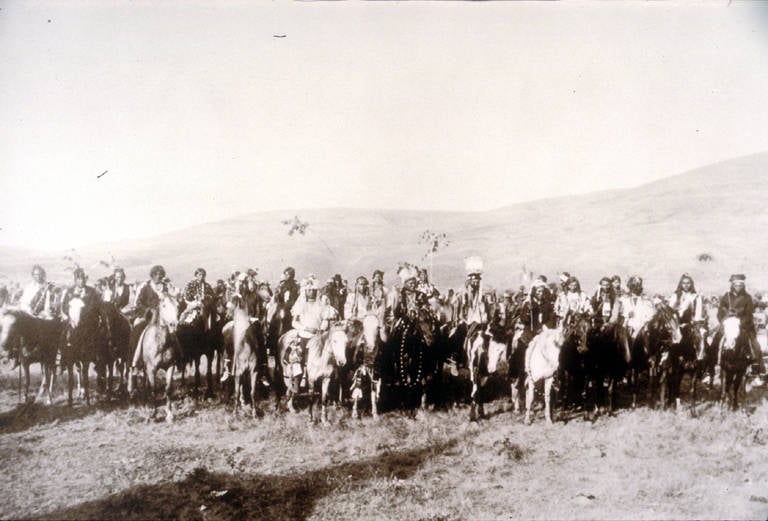
Since the very beginning of the European invasion of North America, Europeans have been guided by an arrogant worldview in which they considered themselves superior to all other peoples and they therefore had the right, given to them by their god, to impose their way of life on other people. In the nineteenth century, this … Continued

Nez Perce War

By admin

Changing Technologies and Trade in California

One of the displays in the San Bernardino County Museum in Redlands, California, is entitled Sacred Earth and subtitled Understanding our past and honoring cultures that thrive today. One section of this display looks at some of the technological changes from 8,000 years ago until 3,000 years ago and from 3,000 years ago until 1,000 … Continued

By admin

Federal Indian Policy 200 Years Ago (1818)

Under the Constitution, Indian tribes are considered to be nations and thus all dealings with the tribes were to be conducted by the federal government, not the states. Administratively, the relationships between the United States and the various Indian nations should have been a foreign policy matter. However, from the very beginning Indian affairs were … Continued

Federal Indian Policy 200 Years Ago (1818)

By admin

Indians and Europeans 300 years Ago, 1719

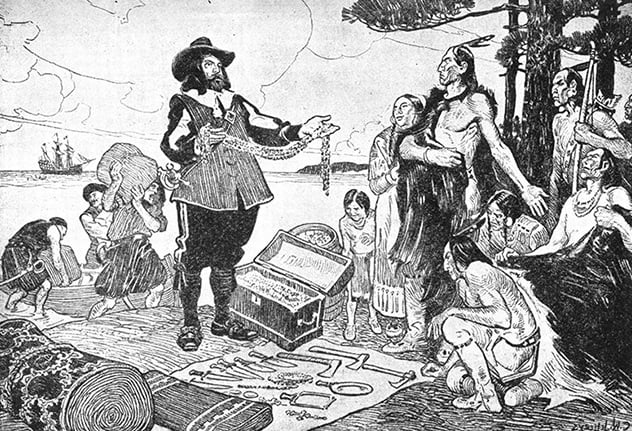
By 1719, many Indian nations had had direct or indirect contact with the European invaders from Britain, France, Spain and the Netherlands. Direct contact had initially come through the European explorers, traders, and missionaries. European manufactured trade goods and horses could be found among tribes who had had no direct contact with the Europeans. Along … Continued

Native American-European fur trade exchange

By admin

Indian Conflicts 150 Years Ago, 1869

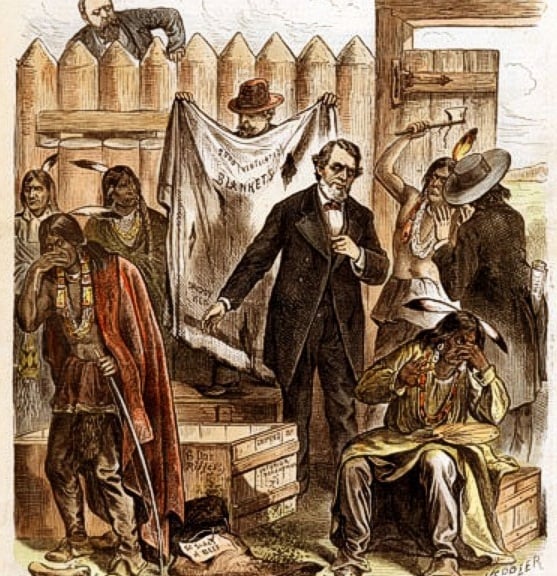
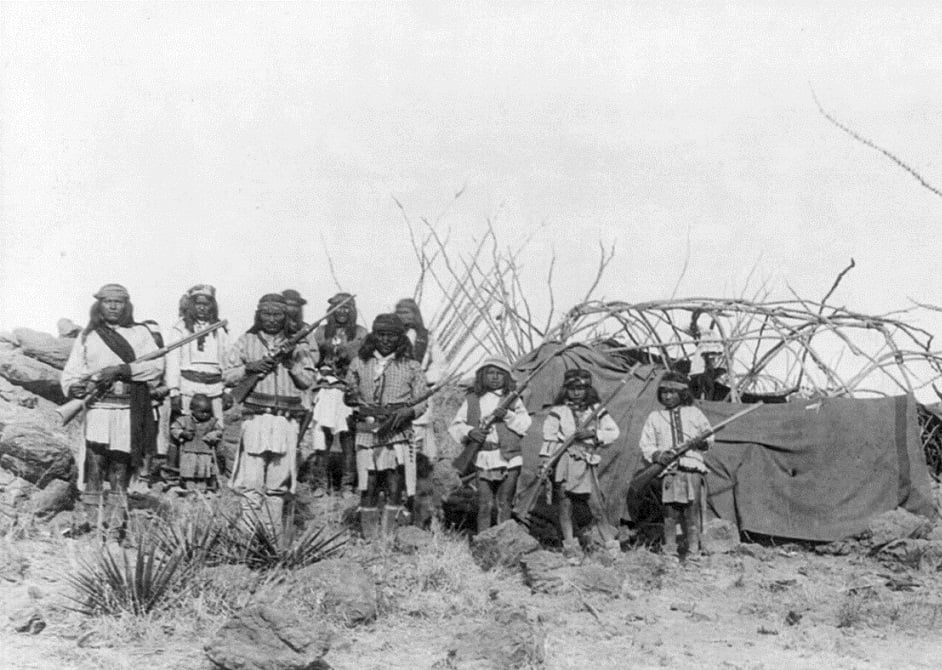
Following the Civil War, the United States had a large, experienced army that could turn its attention to the “pacification” of the Indian nations in the West. At the same time, the United States was opening up vast tracts of land for non-Indian settlement, thus increasing tensions and violence between the Indians who saw the … Continued

The Civil War and Indians in Arizona

By admin

Reservations 150 Years Ago, 1869

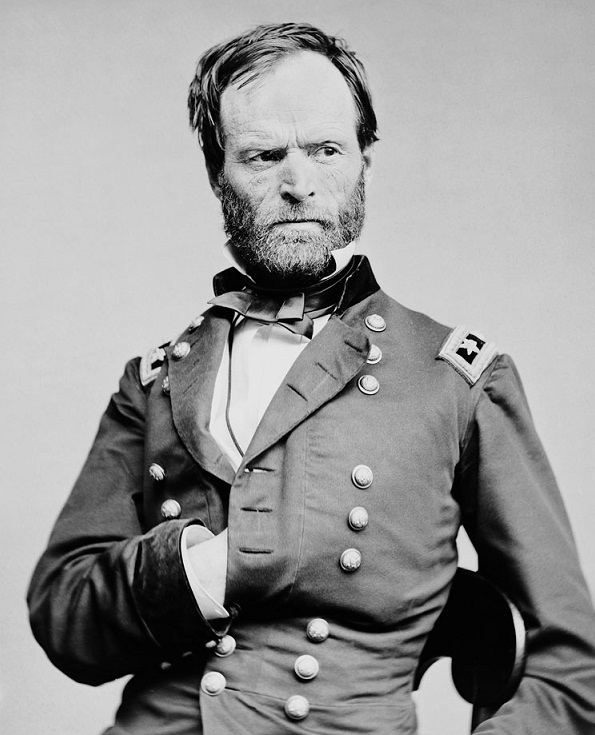
By 1869, the Indian policies of the United States government were largely focused on reservations. It was generally felt that by confining Indians to small reservations out of the way of non-Indian settlement, Indians could be made into English-speaking, Christian farmers. Or they could become extinct. The well-known Indian-fighter General William T. Sherman once defined … Continued

General William T. Sherman

By admin

Francis La Flesche, Omaha Ethnographer

By the last quarter of the nineteenth century, most American Indian cultures had dramatically changed, and many Indian tribes ceased to exist. Many Americans, particularly politicians and academicians, were convinced that American Indians were a vanishing race and would be gone by the first part of the twentieth century. With this in mind, some scientists … Continued

Francis La Flesche

By admin

Death Valley National Park

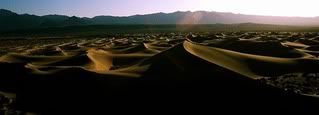
Death Valley, located in California, is the hottest, driest, and lowest place in the United States. It is an area of sand dunes and wilderness. Non-Indian tourism into this desolate region actually began in 1926 and in 1933 President Herbert Hoover created the Death Valley National Monument by Presidential Executive Order. While some saw this … Continued

By admin

Some Artifacts from the Columbia Plateau (Photo Diary)

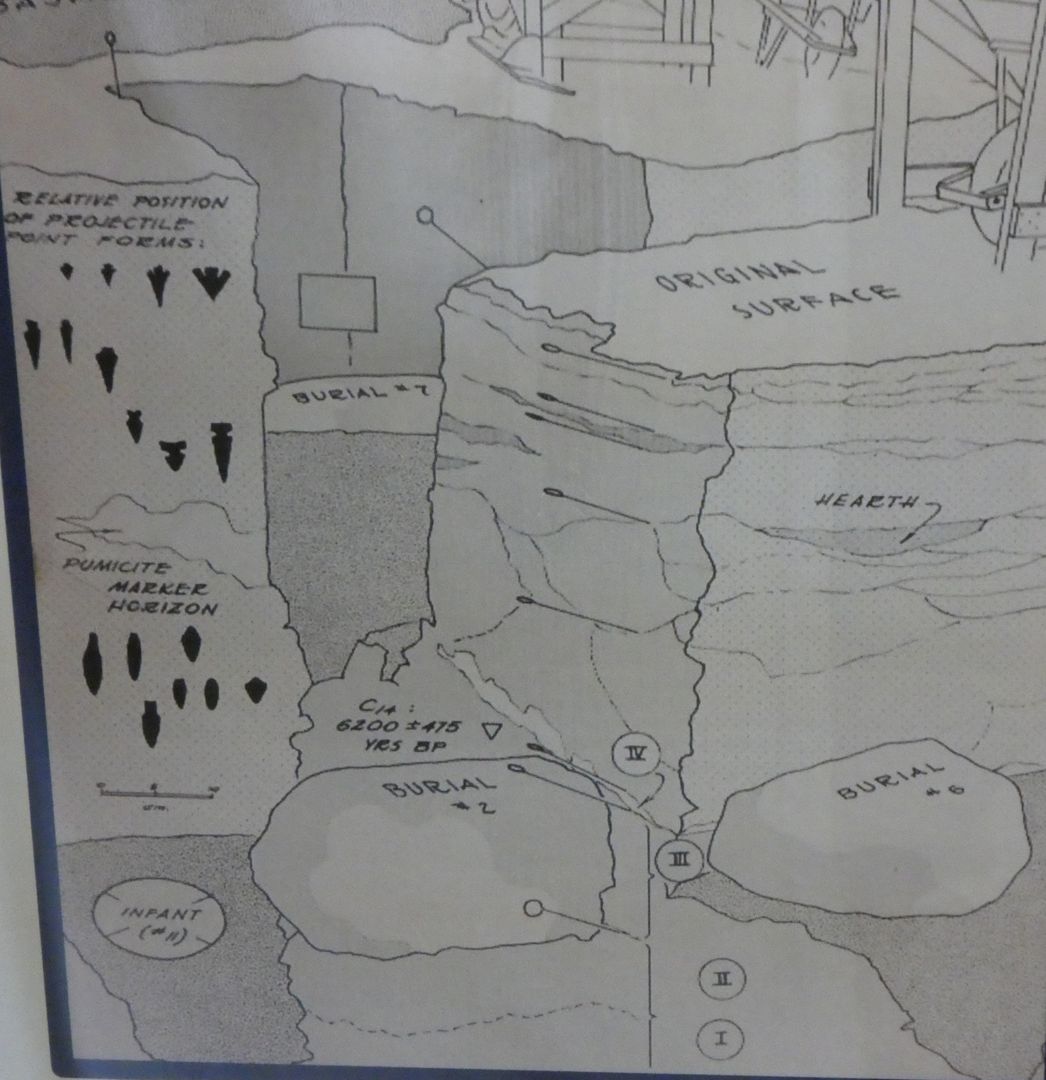
The Franklin County Historical Society and Museum in Pasco, Washington, includes several displays of American Indian artifacts, both historic and prehistoric. With record to prehistoric American Indians, the museum display mentions the Marmes Rockshelter, which is one of the oldest archaeological sites in the Columbia Plateau. For thousands of years, the ancestors of today’s American … Continued