By admin

American Indians at Rancho La Brea

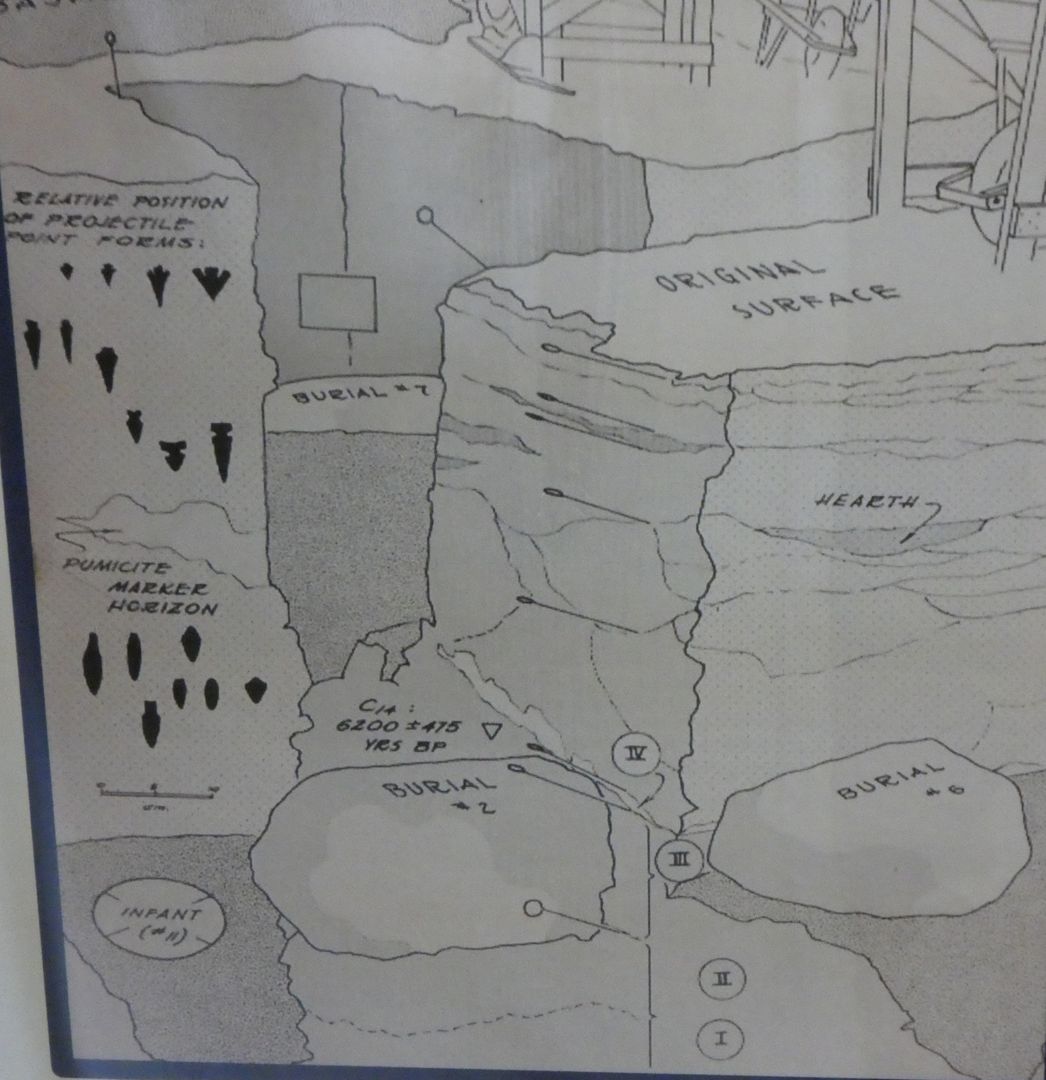
For thousands of years, American Indians used the asphalt from the tar seeps of Rancho La Brea in what is now Los Angeles, California, for many different things. The displays at the La Brea Tar Pits Museum show many of the Native uses of the tar and display some of the artifacts which archaeologists have … Continued
By admin

Reservations 150 Years Ago, 1869

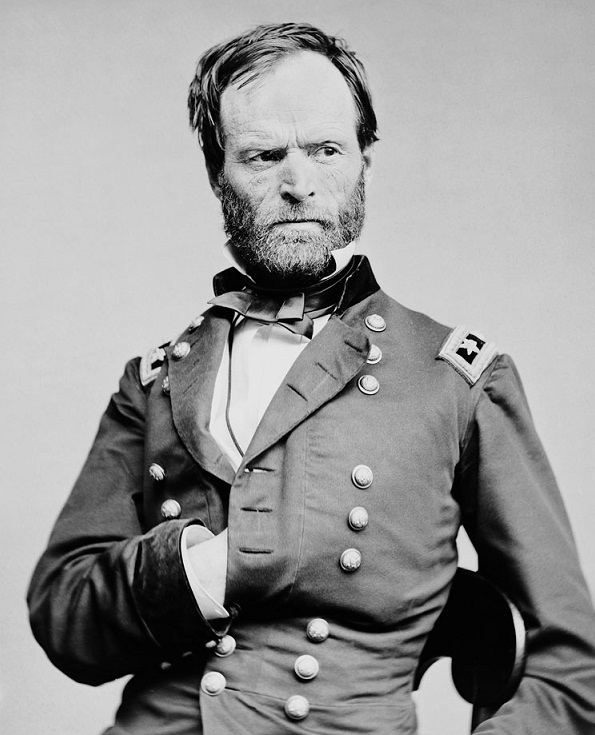
By 1869, the Indian policies of the United States government were largely focused on reservations. It was generally felt that by confining Indians to small reservations out of the way of non-Indian settlement, Indians could be made into English-speaking, Christian farmers. Or they could become extinct. The well-known Indian-fighter General William T. Sherman once defined … Continued

General William T. Sherman

By admin

Francis La Flesche, Omaha Ethnographer

By the last quarter of the nineteenth century, most American Indian cultures had dramatically changed, and many Indian tribes ceased to exist. Many Americans, particularly politicians and academicians, were convinced that American Indians were a vanishing race and would be gone by the first part of the twentieth century. With this in mind, some scientists … Continued

Francis La Flesche

By admin

Contemporary American Indian Art (Photo Diary)

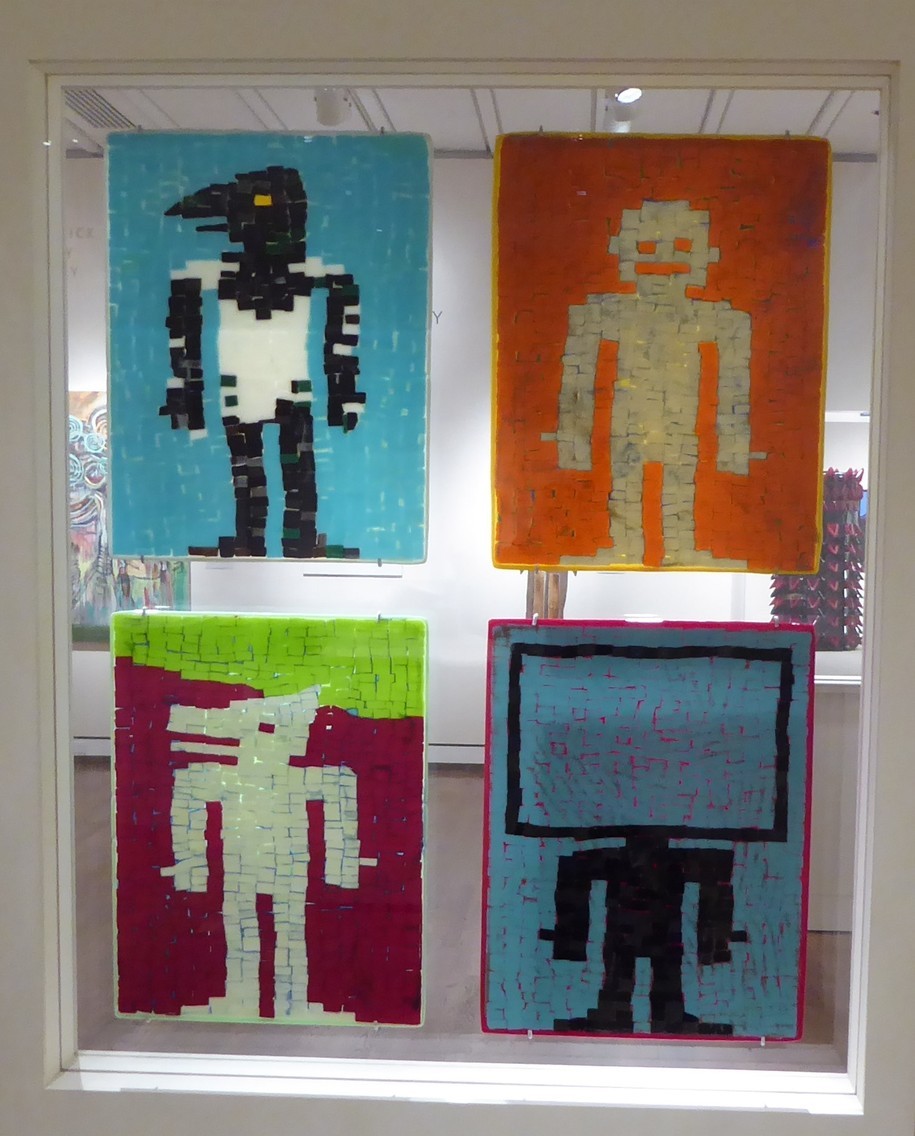
In museums, textbooks, the popular media, and college classrooms, American Indians are often kept in the ghetto of the past. Displays of American Indian art often focus on the past both in terms of when the art was made and the images shown. Indian people did not disappear nor did they stop producing art at … Continued

By admin

Woodlands Indian Art in the Maryhill Museum (Photo Diary)

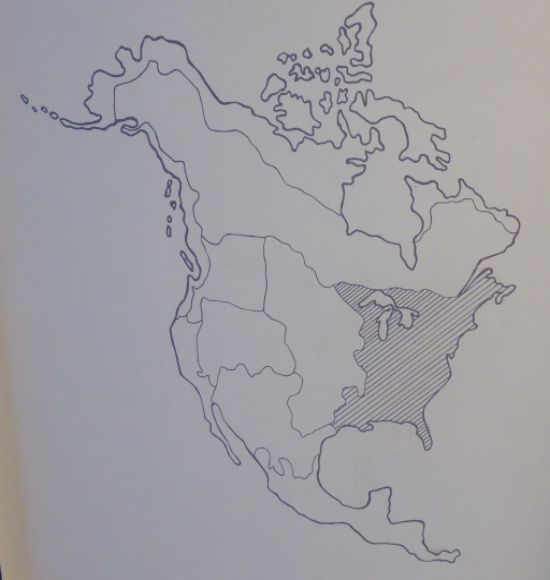
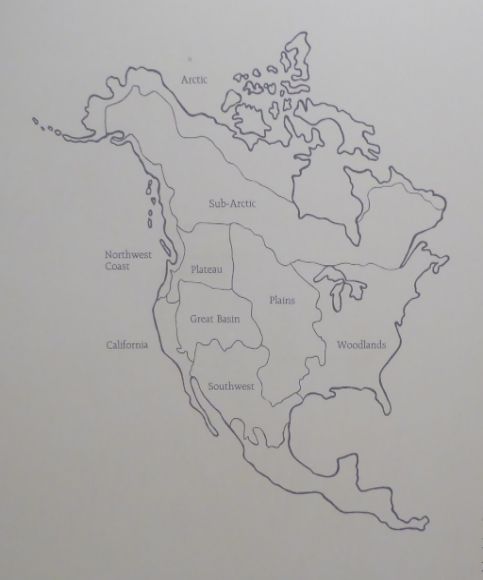
The Eastern Woodlands refers to the vast area in North America which is basically east of the Mississippi River. Anthropologists generally divide this area into two major culture areas: the Northeastern Woodlands and the Southeastern Woodlands. The shaded area on the map shown above shows the Woodlands culture area. The Maryhill Museum of Art near … Continued

By admin

Some Artifacts from the Columbia Plateau (Photo Diary)

The Franklin County Historical Society and Museum in Pasco, Washington, includes several displays of American Indian artifacts, both historic and prehistoric. With record to prehistoric American Indians, the museum display mentions the Marmes Rockshelter, which is one of the oldest archaeological sites in the Columbia Plateau. For thousands of years, the ancestors of today’s American … Continued

By admin

Ancient Mesoamerica: The Formative Period

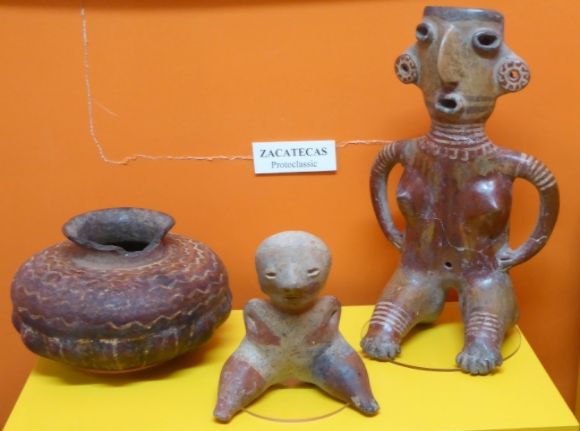
Archaeologists use the term Mesoamerica in referring to Mexico and the adjacent areas of Central America which were the home to Native American civilizations prior to the Spanish invasion. The Formative Period in Mesoamerica is an era of spectacular social transformation marked by the development of social stratification and monument building. With regard to dating, … Continued

By admin

Indian Removal 200 Years Ago (1818)

During the first part of the nineteenth century, the American government policy was to remove Indians from east of the Mississippi River and to “give” them reservations in Indian Territory. The primary argument in favor of Indian removal claimed that European Christian farmers could make more efficient use of the land than the Indian heathen … Continued

The Choctaw Removal

By admin

California Changes 1,500 Years Ago

One of the displays in the San Bernardino County Museum in Redlands, California, is entitled Sacred Earth and subtitled Understanding our past and honoring cultures that thrive today. One section of this display looks at some of the technological changes which began about 1,500 years ago. According to the Museum display: “Tribes became increasingly tied … Continued

By admin

The Eastern Woodlands Culture Area

In providing a broad overview of the hundreds of distinct American Indian cultures found in North America, it is common for museums, historians, archaeologists, and ethnologists to use a culture area model. This model is based on the observation that different groups of people living in the same geographic area often share many cultural features. … Continued