By admin

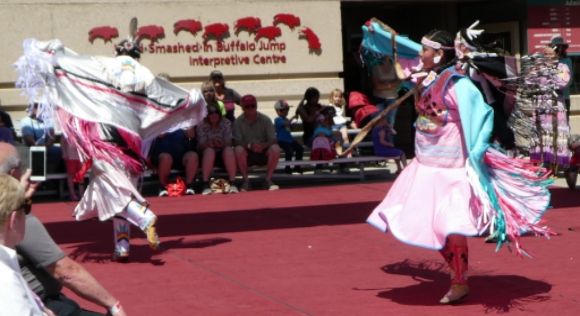
National Indigenous Peoples Day (Photo Diary)

June 21 is recognized as National Indigenous Peoples Day in Canada. This is a day when the heritage, diverse cultures, and outstanding achievements of First Nations, Inuit, and Métis are celebrated. The Canadian Constitution recognizes these three groups as Aboriginal peoples, also known as Indigenous peoples. Although these groups share many similarities, they each have … Continued
By admin

Plains Indian Pipes in the Maryhill Museum (Photo Diary)

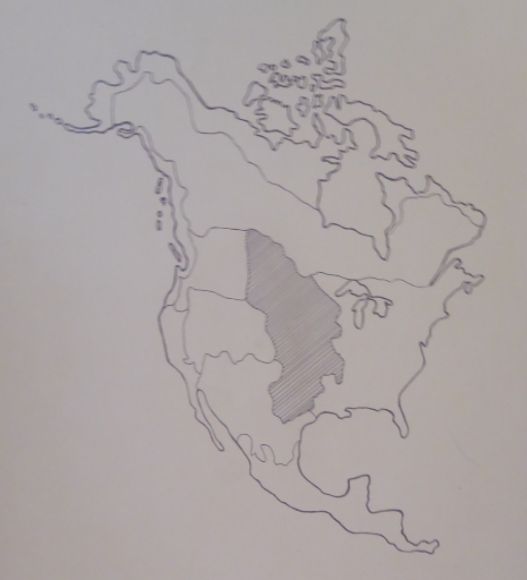
The Great Plains is the huge area in the central portion of the North American continent which stretches from the Canadian provinces in the north, almost to the Gulf of Mexico in the south, from the Rocky Mountains in the west to the Mississippi River in the east. This is an area which contains many … Continued

By admin

Three Plateau Women Artists (Photo Diary)

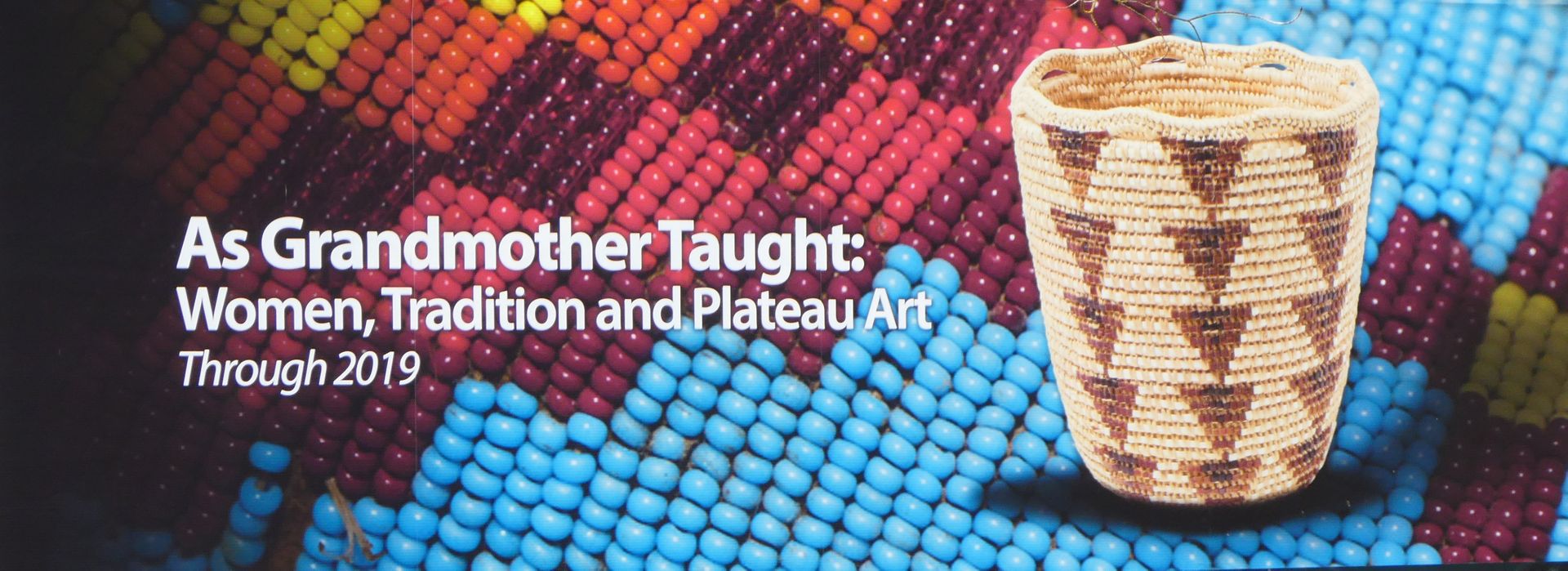
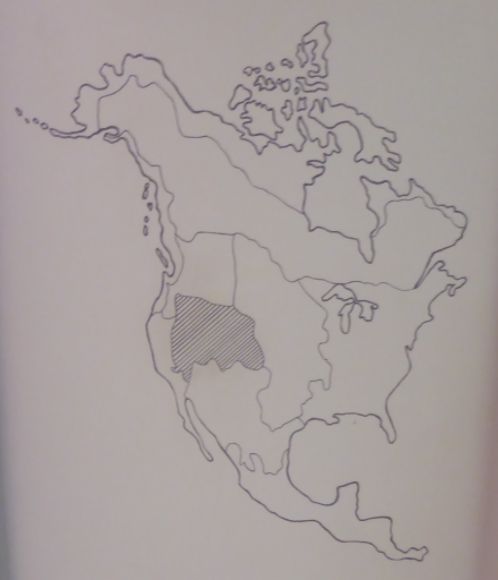
As Grandmother Taught: Women, Tradition and Plateau Art was a special exhibit at the Northwest Museum of Arts and Culture in Spokane, Washington. The exhibit featured the works of three Plateau women artists: HollyAnna Cougar Tracks DeCoteau Little Bull, Bernadine Phillips, and Leanne Campbell. The Columbia River Plateau is shown above. HollyAnna Cougar Tracks DeCoteau … Continued

By admin

Mission Indian Baskets in the Maryhill Museum (Photo Diary)

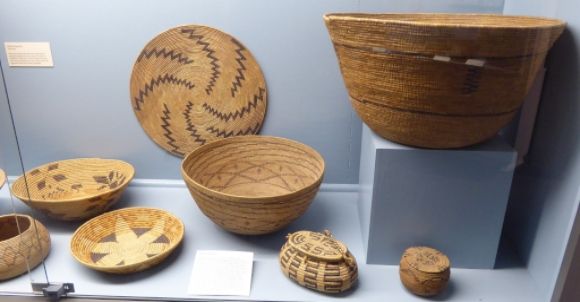
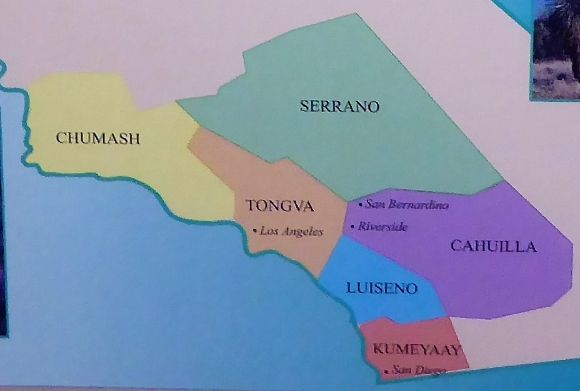
Many museums, including the Maryhill Museum of Art near Goldendale, Washington, have displays of Mission Baskets. The designation “Mission Baskets” was developed by anthropologist Alfred Kroeber in 1922. According to the Maryhill Museum display: “Basketry from most of southern California has traditionally been grouped together under the name Mission. This term was used because the … Continued

By admin

Great Basin Baskets (Photo Diary)

The Great Basin Culture Area includes the high desert regions between the Sierra Nevada and the Rocky Mountains. It is bounded on the north by the Columbia Plateau and on the south by the Colorado Plateau. It includes southern Oregon and Idaho, a small portion of southwestern Montana, western Wyoming, eastern California, all of Nevada … Continued

By admin

The Plateau longhouse (museum tour)

American Indian people have lived along the Columbia and Snake Rivers for thousands of years. The confluence of these two rivers served as a camping area, a trading center, and a fishing site. Today this is Washington’s Sacajawea State Park. One of the exhibits in the Sacajawea Museum in the park illustrates the Plateau longhouse. … Continued

By admin

Medicinal Plants Used by the California Chumash

Throughout thousands of years of human history, people have utilized the healing powers of certain plants as an important part of their healthcare. Briefly described below are some of the medicinal plants used by Southern California’s Chumash. The aboriginal territory of the Chumash was in the vicinity of present-day Santa Barbara, California. Their territory included … Continued

By admin

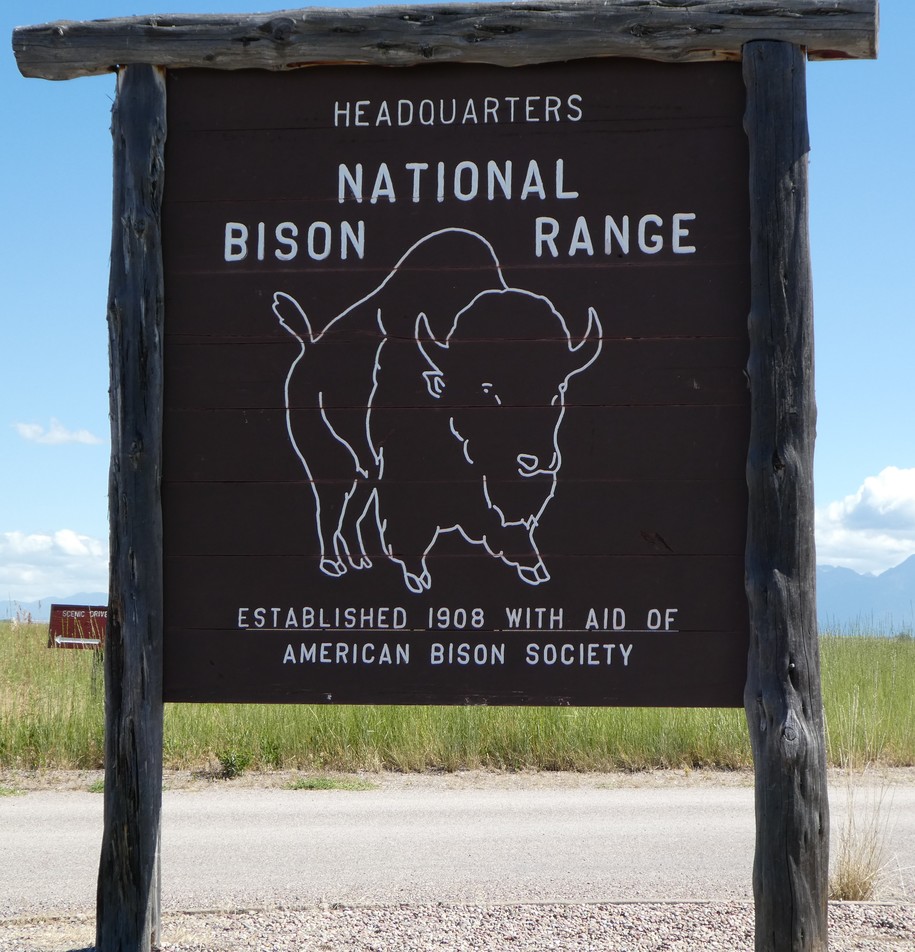
Public Lands: The National Bison Range

For the Plains Indians, the buffalo (technically bison) was more than an important source of food, shelter, and clothing: the buffalo was also an important spiritual and cultural symbol. At the beginning of the nineteenth century there were an estimated 30 million buffalo roaming the Great Plains. A century later, in 1900, the buffalo had … Continued

By admin

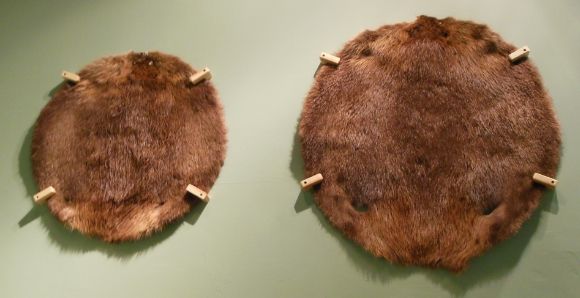
The Fur Trade 200 Years Ago (1818)

During the first part of the nineteenth century, the fur trade continued to be an important area in the contact between American Indians and Europeans. During this time, beaver was of primary importance, driven in large part by European fashion. Shown above are two made beaver pelts on display in the Heritage Museum in Astoria, … Continued

By admin

A Brief Description of Caddo Religion

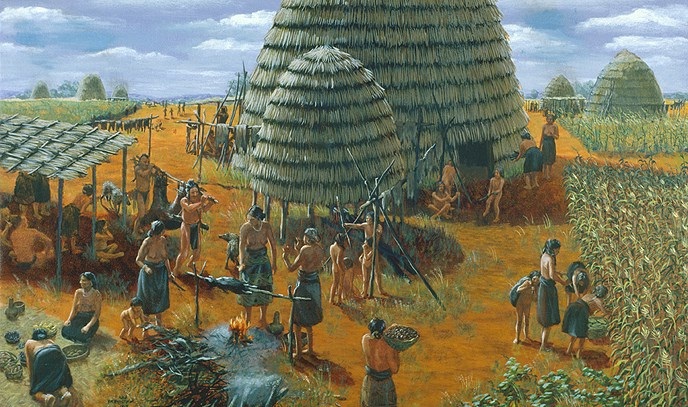
The Caddo were an agricultural tribe living in what is now Louisiana and Texas when the first European explorers entered the region. The Caddo were a group of theocratic chiefdoms who were the cultural descendants of the earlier Mississippian mound-building cultures. The term “Caddo” originates from one particular tribe, the Kadohadacho who occupied the area … Continued

The Caddo