By admin

Some Indian Events of 200 Years Ago (1818)

Two hundred years ago, in 1818, the United States was just beginning to embark on its expansionist policy known as Manifest Destiny. Under this policy, many non-Indian Americans felt that it was the divine destiny of the United States to expand and to spread American culture, language, and the Christian religion across the continent. In … Continued
Some Indian Events of 1766

By admin

American Indian Religions a Century Ago (1918)

In 1918, American Indian religions were still outlawed. Federal Indian policy viewed American Indian religions as barriers to “civilizing” Indians and emphasized the importance of Christianity. Participation in traditional Indian ceremonies, such as the Sun Dance, the Sweat Lodge, and the Potlatch, was not only discouraged, but often criminalized. While the government recognized that structures, … Continued

Outlawing American Indian Religions

By admin

California Indian Baskets in the Maryhill Museum (Photo Diary)

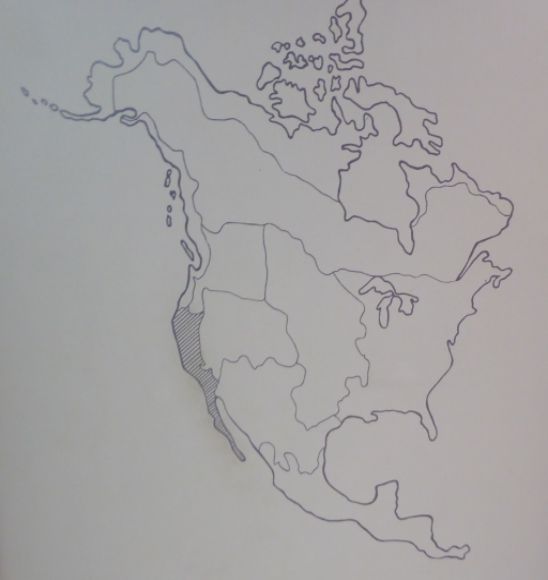
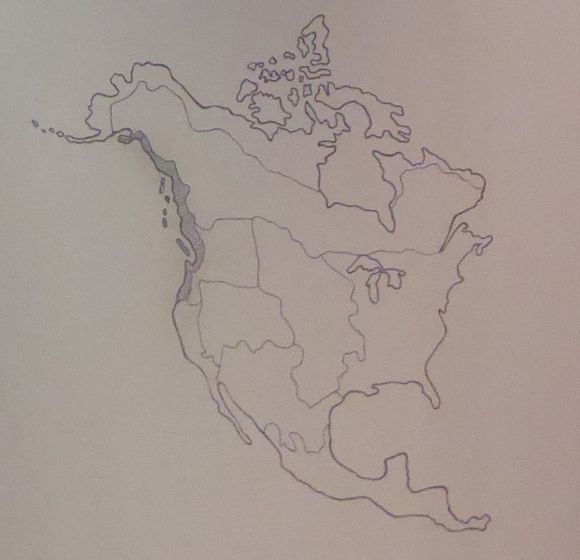
The California culture area has the widest variety of native languages, ecological settings, and house types of any North American culture area. The shaded area on the map shown above displays the California culture area. Basketry was, and still is, important to the California Indians. In his book Indians of Lassen Volcanic National Park and … Continued

By admin

Writing in Cherokee

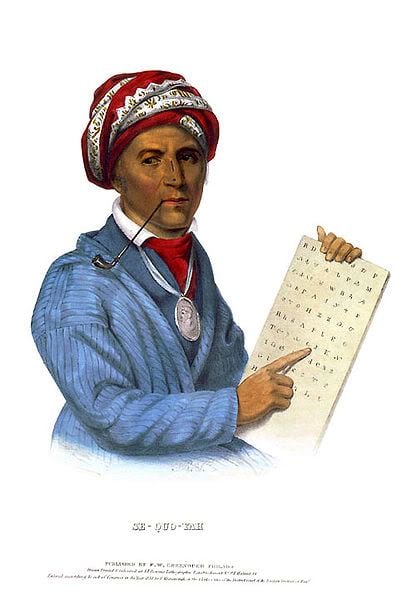
There are more than 6,000 languages in the world and only about 100 of these developed their own writing system. For most of these writing systems, we know relatively little about the individuals who actually created the writing system. The exception to this is the development of the Cherokee writing system in the nineteenth century … Continued

By admin

Some Maya Artifacts (Photo Diary)

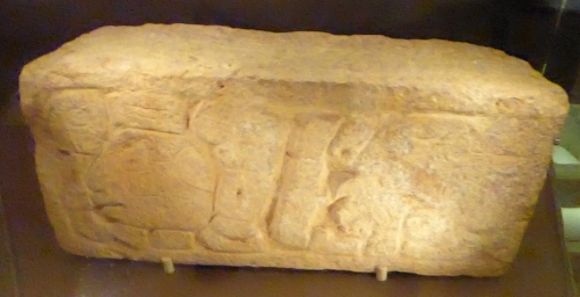
In major museums, only a small fraction of the artifacts held by the museum are on display and interpreted for the public. Most of the museum’s artifacts are in vaults where they are available only to researchers. The Los Angeles County Museum of Natural History maintains a Visible Vault in which visitors can view hundreds … Continued

By admin

Murdering a Peaceful Chief, Peopeo Moxmox

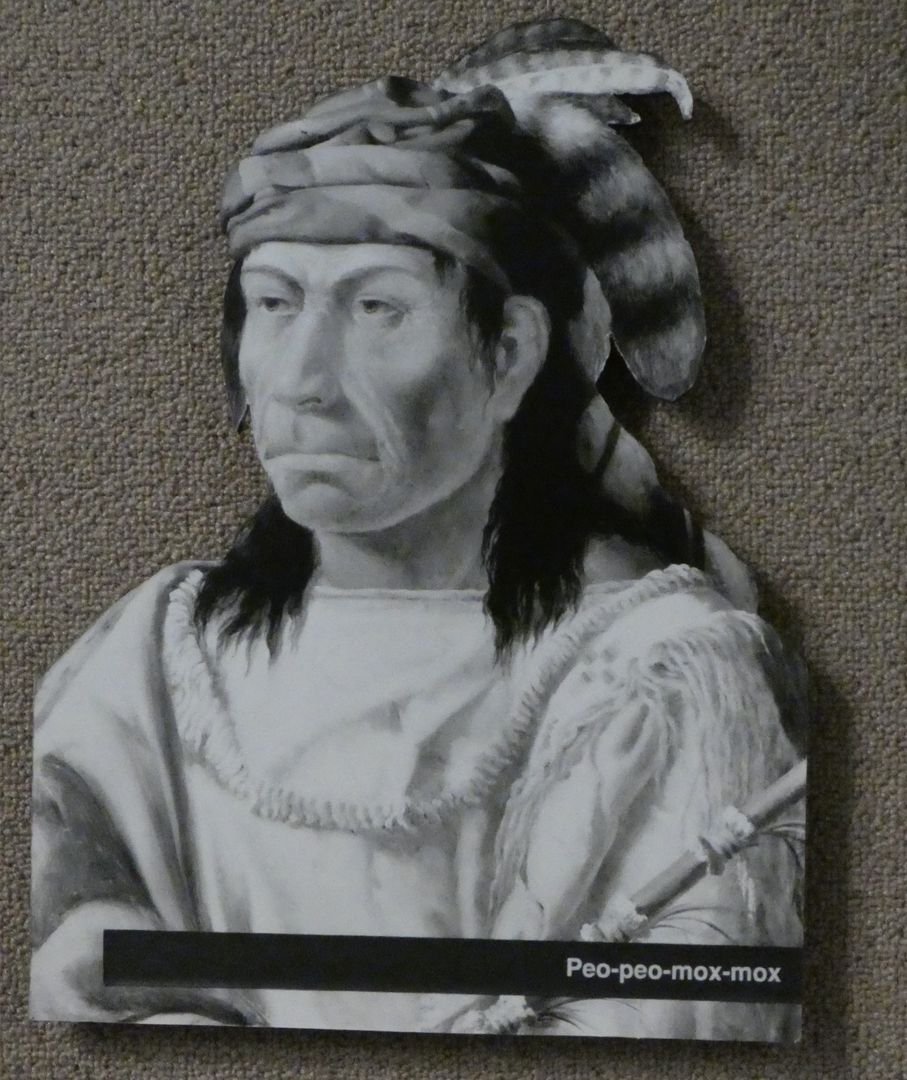
In Washington, Oregon, Idaho, and Montana during the nineteenth century, American settlers formed militia groups for the purpose of killing Indians. While supposedly formed for the purpose of “defense”, the militias were often fueled by a genocidal bloodlust which was satiated by murdering Indians and mutilating their dead bodies to obtain “trophies” in the form … Continued

By admin

Northwest Coast Baskets in the Maryhill Museum (Photo Diary)

The Northwest Coast culture area stretches along the Pacific coast between the Cascade Mountains and the ocean. It extends north of California to Alaska. This is an area which is the home to many Indian nations who traditionally based their economy on the use of sea coast and river ecological resources. The Northwest Coast culture … Continued

By admin

History 101: The Oregon Trail and the Grand Ronde

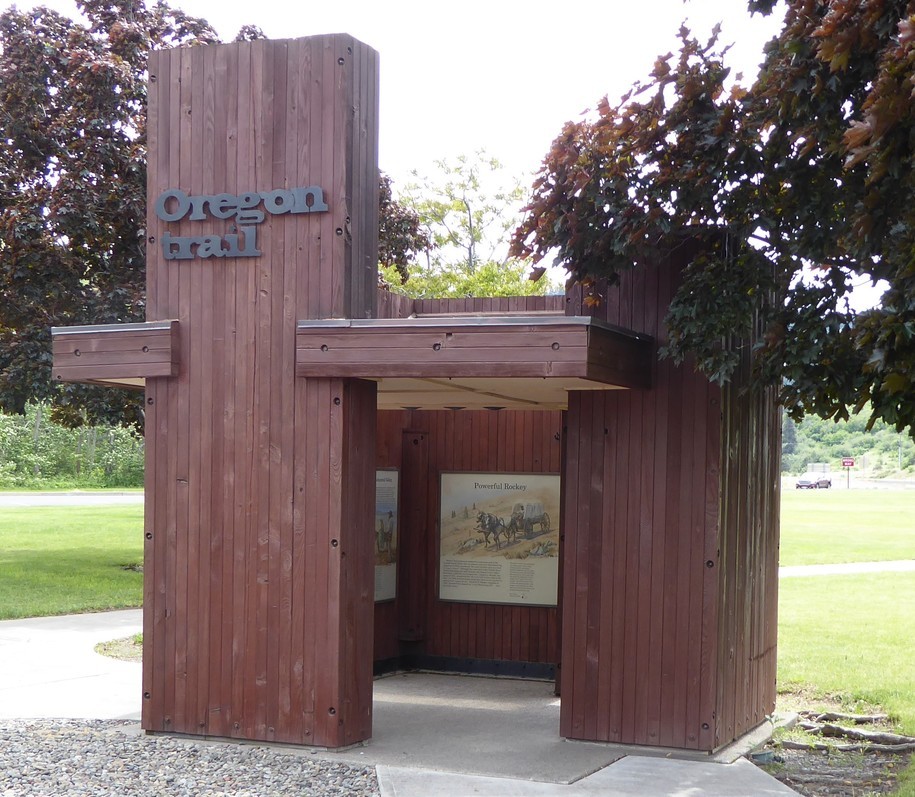
The Oregon rest stops along the highway that follows the old Oregon Trail have kiosks displaying the history of the trail. The map shown above shows the rest areas in Eastern Oregon with history displays about the Oregon Trail. Pathway to the “Garden of the World” On May 22, 1843, nearly one thousand Americans left … Continued

By admin

Plateau Basketry Hats and Trinket Baskets (Photo Diary)

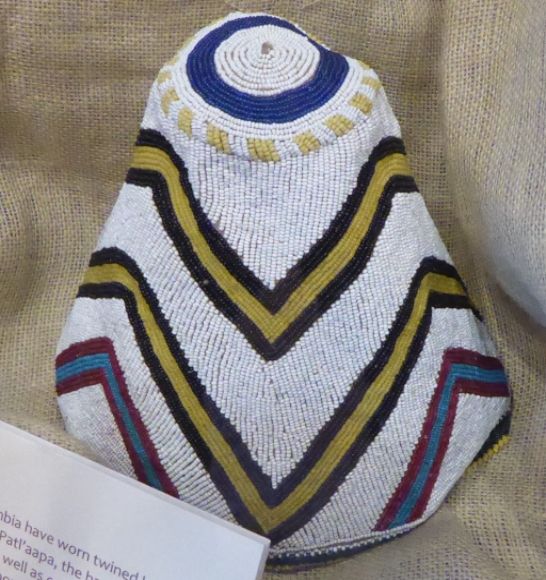
In looking at American Indian art, there is a different between tribal art and ethnic art. In his book Native Arts of North America, Christian Feest writes: “Tribal art was (and is) produced by members of tribal societies primarily for their own or their fellow members’ use.” One of the classic examples of tribal art … Continued

By admin

Choctaw Migrations

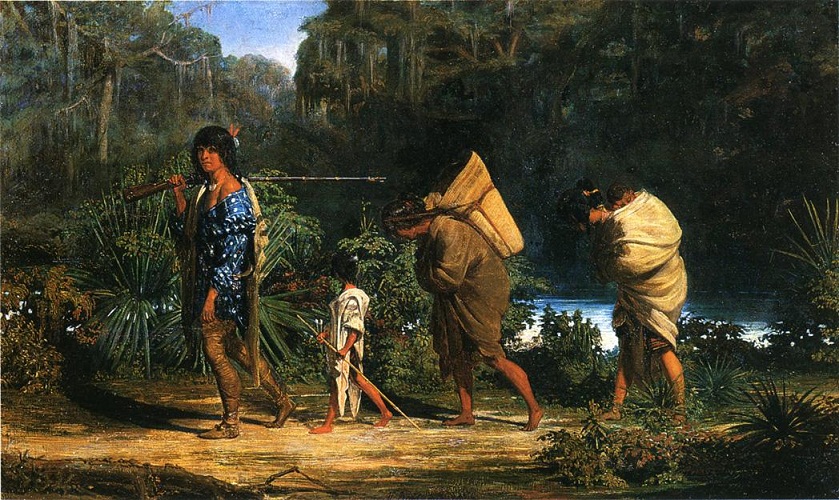
When the Europeans began their invasion of North America, they found that the Southeastern Woodlands area was inhabited by skilled farmers who lived in permanent villages. After the formation of the United States at the end of the eighteenth century, five of the Southeastern Indian nations – Cherokee, Chickasaw, Choctaw, Creek, and Seminole – became … Continued

The Choctaw Removal