By admin

Pomo Baskets in the Maryhill Museums

California Indian baskets are often considered the best in North America, and Pomo baskets are generally considered to be the best of the California baskets. In his book Encyclopedia of Native American Tribes, Carl Waldman reports: “The Pomos created their beautiful baskets for functional purposes, but collectors now value them as works of fine art. … Continued

By admin

Plateau Basketry Hats and Trinket Baskets

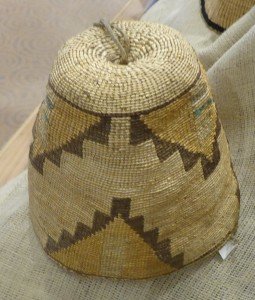
In looking at American Indian art, there is a different between tribal art and ethnic art. In his book Native Arts of North America, Christian Feest writes: “Tribal art was (and is) produced by members of tribal societies primarily for their own or their fellow members’ use.” One of the classic examples of tribal art … Continued

By admin

Pat Courtney Gold’s Baskets

Basketry is probably the oldest art form, although the archaeological record is devoid of the earliest basketry. In his 1904 book American Indian Basketry, Otis Mason writes: “In ultimate structure, basketry is free-hand mosaic or, in the finest materials, like pen-drawings or beadwork, the surface being composed of any number of small parts—technically decussations, stitches, … Continued

By admin

Mission Indian Baskets at the Maryhill Museum

Many museums, including the Maryhill Museum of Art near Goldendale, Washington, have displays of Mission Baskets. The designation “Mission Baskets” was developed by anthropologist Alfred Kroeber in 1922. According to the Maryhill Museum display: “Basketry from most of southern California has traditionally been grouped together under the name Mission. This term was used because the … Continued

By admin

Tribes and Reservations in 1917

During the nineteenth century, the United States had attempted to settle all Indians on well-defined reservations on lands deemed unsuitable for non-Indian development. Here Indians were to remain until they became extinct or had fully assimilated into the Christian American lifestyle. By the end of the nineteenth century, the government began the process of dismantling … Continued

By admin

American Indians in 1717

The fur trade was an important part of the economic history of North America and incorporated American Indian economies into a larger world economy. Furs were valuable, easily portable, and renewable resources. The prime furs—marten, otter, fox—were sold at high prices in the European and Chinese markets. Of less value, but still profitable, were pelts … Continued

By admin

American Indians in 1617

By 1617, four European nations—Spain, France, England, and the Netherlands—were staking their claims in North America through exploration and colonization. Archaeologist Jerald Milanich, in his book The Timucua, describes the reasons for the European expansion into North America: “The driving force behind these initiatives was a desire for wealth: precious stones or metals, fertile lands … Continued

By admin

Christian Missions in 1817

The early nineteenth century was a period in which American Indians came into contact with non-Indian explorers and missionaries. Unlike the early explorers who simply passed through Indian territories and having relatively brief encounters with the Indians themselves (including sexual encounters), the missionaries came with the idea of actually living among the Indians. They often … Continued

By admin

Federal Indian Policy in 1817

In 1817, James Monroe became the new President of the United States. In his book The Removal of the Choctaw Indians, Arthur DeRosier writes: “America embarked upon a period of intense nationalism which completely dominated Monroe’s administration.” Arthur DeRosier goes on to say: “The changing attitudes of the period affected even the handling of the … Continued

By admin

Children Among the Indian Nations of the Great Basin

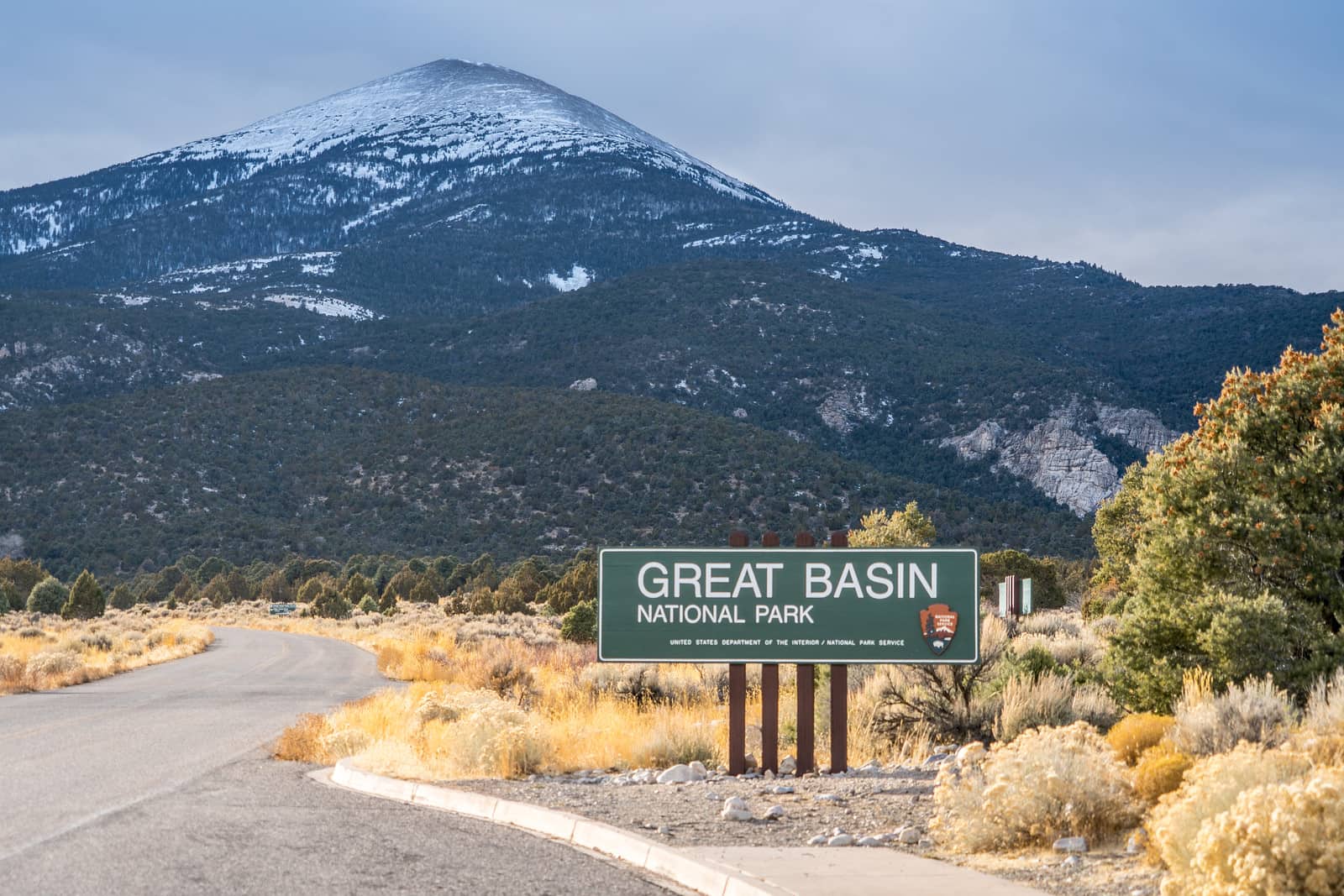
The Great Basin Culture Area includes the high desert regions between the Sierra Nevada and the Rocky Mountains. It is bounded on the north by the Columbia Plateau and on the south by the Colorado Plateau. It includes southern Oregon and Idaho, a small portion of southwestern Montana, western Wyoming, eastern California, all of Nevada … Continued