By admin

Reservations in 1915

During the nineteenth century, the United States had attempted to settle all Indians on well-defined reservations on lands deemed unsuitable for non-Indian development. Here Indians were to remain until they became extinct or had fully assimilated into the Christian American lifestyle. By the end of the nineteenth century, the government began the process of dismantling … Continued
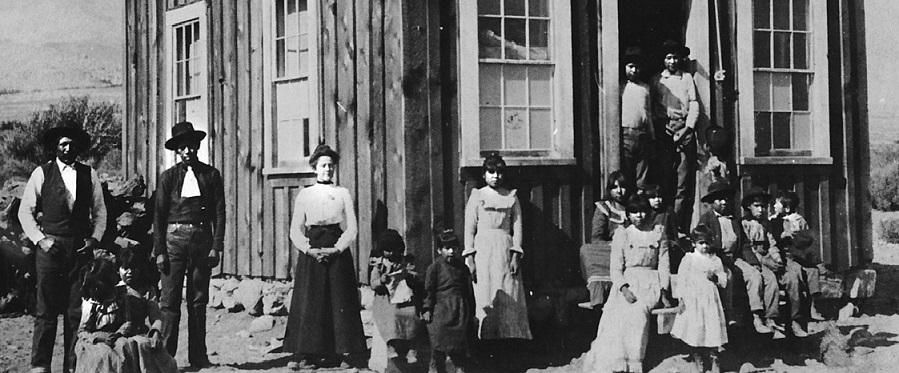
Reservations in 1915

By admin

Visiting European Royalty

Beginning with Christopher Columbus in the late fifteenth century, it was a common practice for European explorers and colonists to bring Native peoples back to Europe to meet with European royalty. During the first half of the eighteenth century there were several groups of American Indians who visited with European royalty. Mohawks and Mahican:  In … Continued

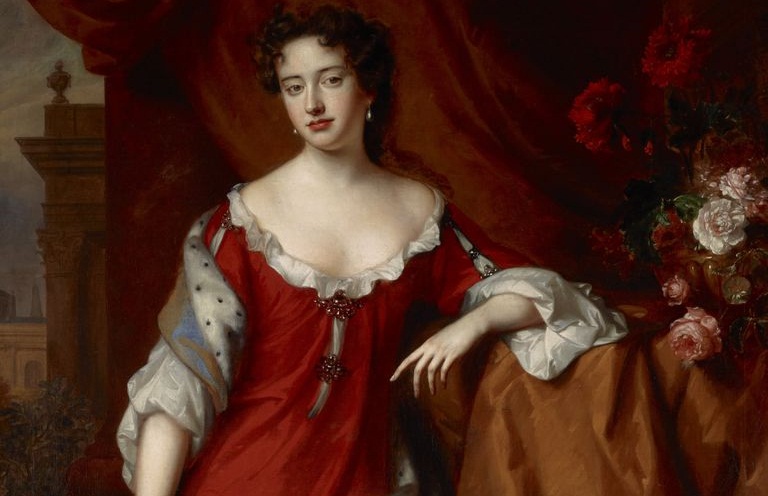
Queen Anne

By admin

Camas

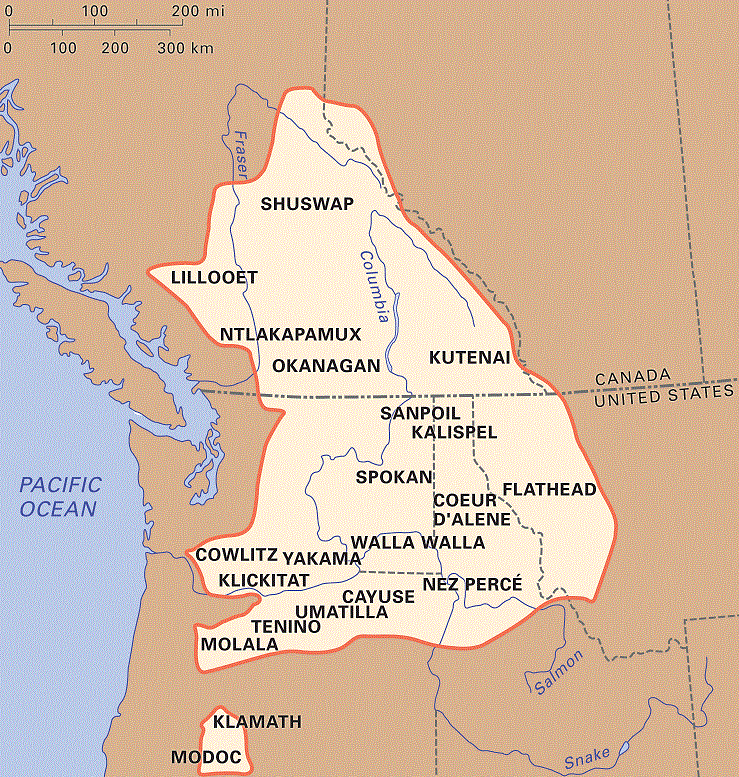
The area between the Cascade Mountains and the Rocky Mountains in Washington, Oregon, Idaho, British Columbia, and Western Montana is known as the Plateau Culture area. From north to south it runs from the Fraser River in the north to the Blue Mountains in the south. Much of the area is classified as semi-arid. Part … Continued

Plateau Culture area

By admin

The Marmes Rockshelter

Much of what we know about the people of the ancient world has come from archaeological findings in caves and rockshelters. A rockshelter, by the way, is wider than it is deep, while a cave is deeper than it is wide. Rockshelters and caves provided people with shelter, usually temporary, where they could camp while … Continued

The Marmes Rockshelter

By admin

Sixteenth Century European Laws About Indians

The European invasion of the Americas really began in the sixteenth century with several European nations competing to divide up the new lands among themselves. In justifying their ability to take lands from Indians, to rule Indians, to make slaves of Indians, and to kill Indians, the European formulated a number of laws. In 1512, … Continued

Laws About Indians

By admin

Early French Encounters With Indians

The 16th century marked the beginning of the European invasion of North America. The Spanish had already firmly established themselves in the Caribbean islands and were attempting to move north into Florida. The Portuguese had explored the coast of what would become Canada. European interests in the Americas were fueled by stories of great wealth … Continued

Early French Encounters With Indians

By admin

1614

During the 17th century, four European countries—France, England, Netherlands, and Spain–established permanent colonies in the Americas. As these colonies expanded, the conflicts with the Native Americans over land increased in frequency and intensity. While the American Indian nations had superior numbers, the Europeans had a technological advantage. The Europeans were driven to conquer the “wilderness” … Continued

Conflicts with the Native Americans

By admin

World War II Impacts Indian Reservations

In 1942, the United States was gearing up to fight in World War II and the military efforts on the homefront had an impact on several Indian reservations. Administration of Indian Affairs: The need for office space in Washington, D.C. to support the war effort resulted in moving the Indian Bureau to Chicago. The move … Continued

World War II Impacts Indian Reservations

By admin

Tobacco and the Indian Nations of the Great Lakes

The western portion of the Northeastern Woodlands of the U.S., an area designated as the Great Lakes-Riverine area by some anthropologists, was inhabited by Algonquian-speaking tribes such as the Anishinabe (Ojibwa or Chippewa), Kickapoo, Potawatomi, Menominee, Shawnee, Ottawa, and Sauk and by Siouan-speaking groups such as the Winnebago, Iowa, Oto, and Missouria. The Siouan-speaking groups probably emerged from … Continued

Tobacco and the Indian Nations

By admin

1764

Two hundred and fifty years ago, in 1764, many of the Indian nations of North America had not yet had direct contact with the European colonial powers who were claiming the “God-given” right to rule them. Indirectly, however, most of the Indian nations had already been impacted by European manufactured goods and by European diseases. … Continued

Colonial Indian Policies