By admin

1964

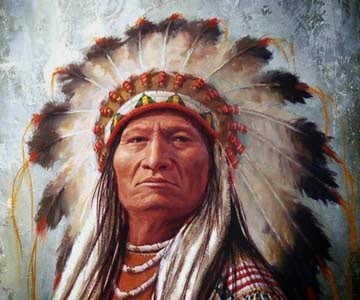
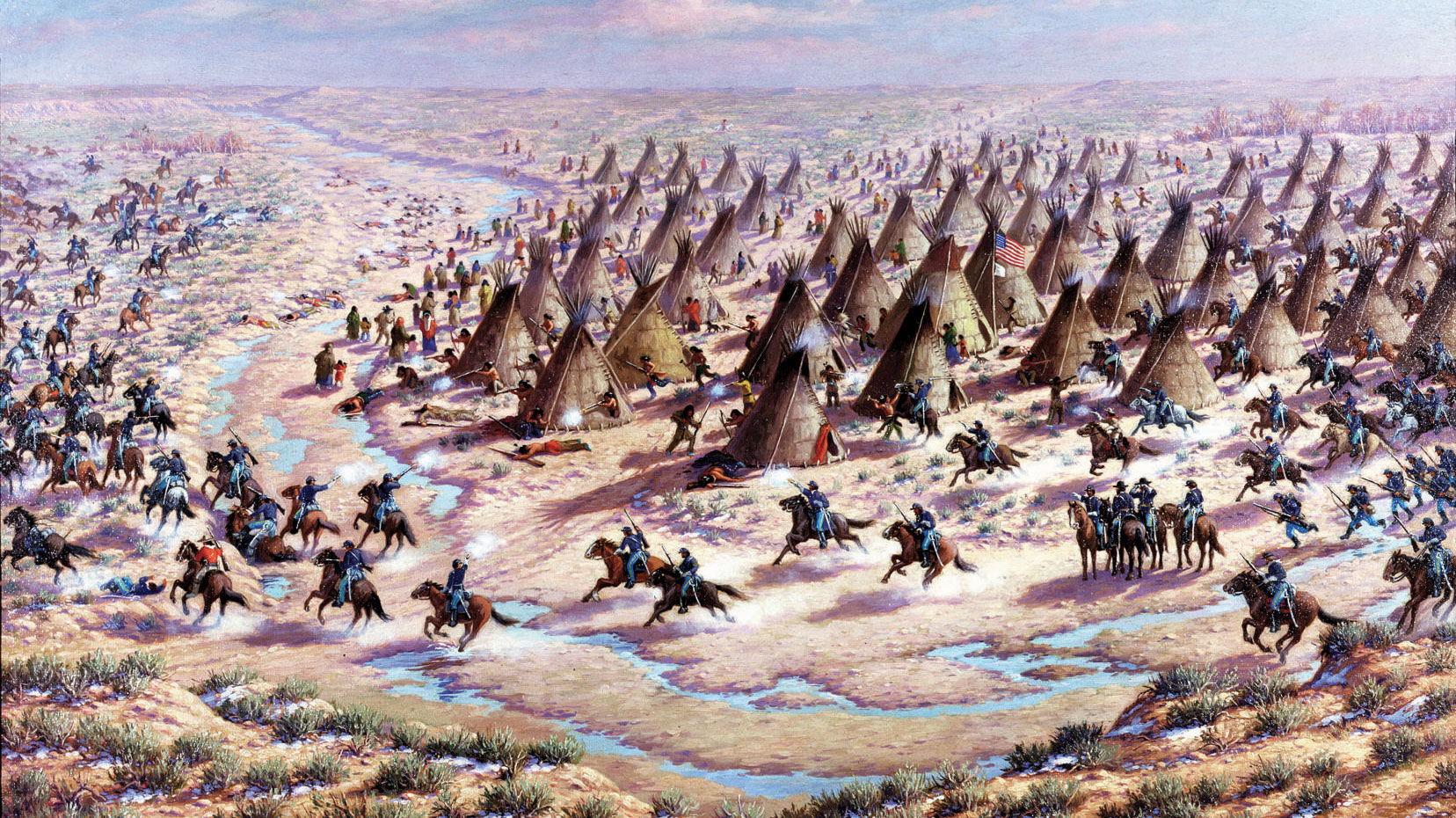
Very often in history classes and in the popular media Indians are segregated into the eighteenth and nineteenth centuries with particular attention on the conflicts with Plains Indians following the Civil War. There is sometimes the implication that there were no Indians in the twentieth century, that they had somehow gone extinct or simply assimilated, … Continued
Plains Indians follow the Civil War 1964

By admin

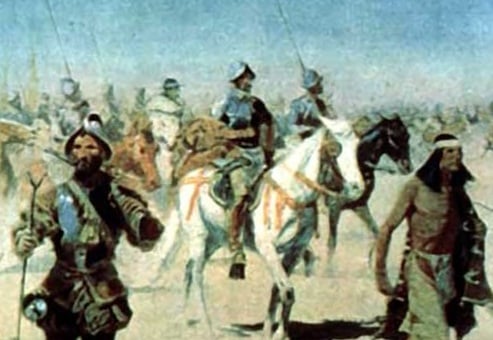
Early Spanish Invasions of the Plains

The Great Plains is the huge area in the central portion of the North American continent which stretches from the Canadian provinces in the north, almost to the Gulf of Mexico in the south, from the Rocky Mountains in the west to the Mississippi River in the east. This is an area which contains many … Continued

Early Spanish Invasions of the Plains

By admin

American Indians in 1890

The 1890 United States Census formally enumerated all of the Indians of the country. According to the Census, there were a total of 248,253 Indians in the United States: 58,806 are “Indians taxed” (that is living off their reservations) and 189,447 are “Indians not taxed” (Indians on reservations). With regard to the difficulties in counting … Continued

The Chickasaw Indians

By admin

President Benjamin Harrison and Indian Reservations

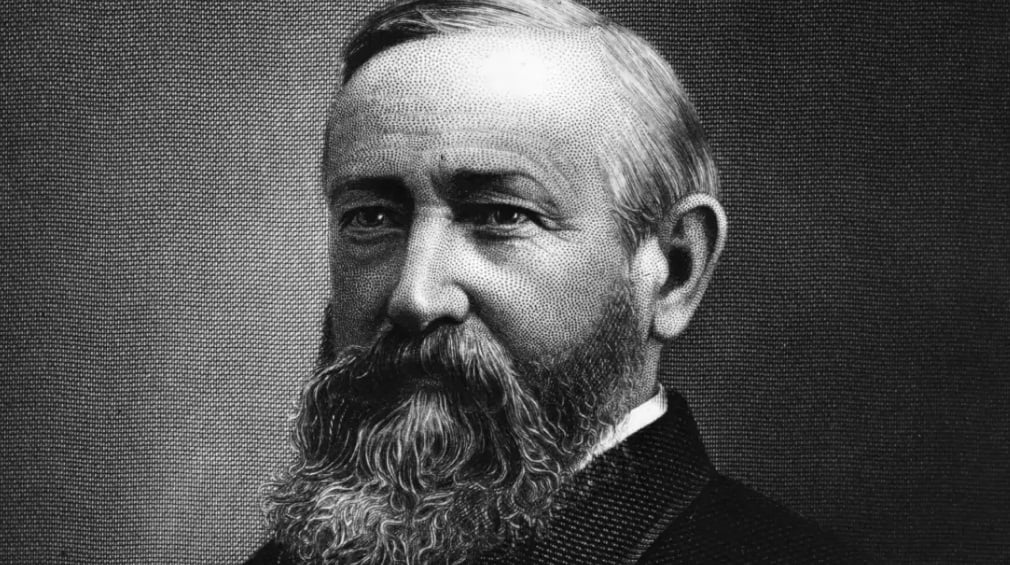
In 1887, Congress passed the General Allotment Act (Dawes Act) which had the intent of assimilating Indians by making them land-owning farmers. The idea of the Dawes Act was to break up the reservations by giving each Indian family an allotment of land, similar to the homesteads given to non-Indian settlers. This act guided much … Continued

President Benjamin Harrison and Indian Reservations

By admin

President Benamin Harrison and Indian Education

When Benjamin Harrison became President in 1889, he appointed Thomas Jefferson Morgan as his Commissioner of Indian Affairs. Like most of his predecessors, Morgan had no experience in Indian affairs, little contact with actual Indians, and no understanding of Indian cultures. He was, however, a Baptist minister and an educator with a fervent belief that … Continued

President Benjamin Harrison and Indian Reservations

By admin

President Benjamin Harrison and Indian Policy

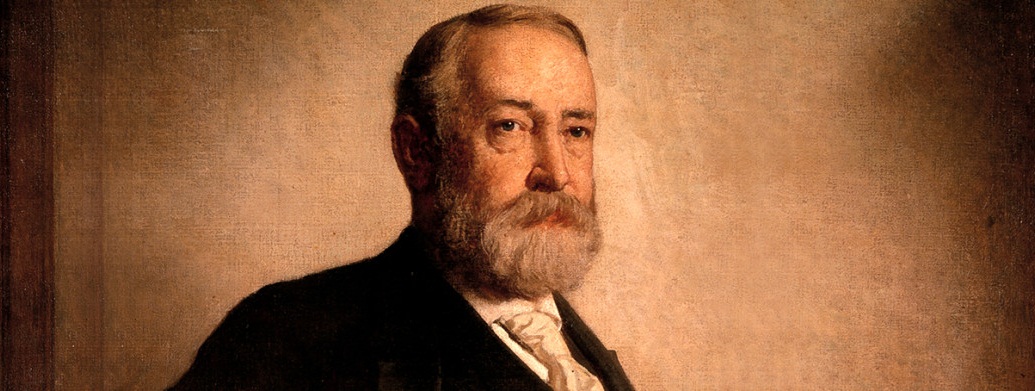
In 1889 Benjamin Harrison, an attorney, Presbyterian church leader, and Civil War Brigadier General, was elected President of the United States. Harrison, a Republican, defeated incumbent President Grover Cleveland. In his brief inaugural address, Harrison credited the nation’s growth to the influences of education and religion (meaning Christianity). For his cabinet appointments, Harrison considered three … Continued

President Benjamin Harrison

By admin

Marriage Among the Southern Plains Tribes

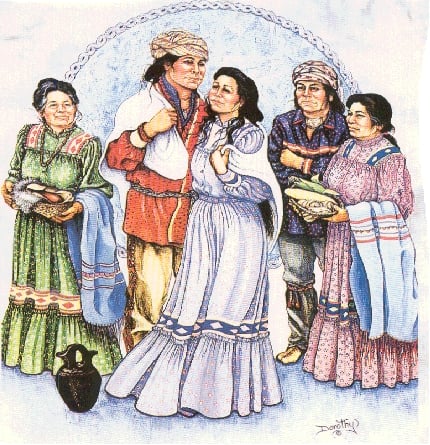
Marriage is an almost universal human institution. However, the concept of marriage varies greatly among different cultures. In some cultures, marriage is seen as a primarily economic institution; in some it is celebrated with a religious ceremony; some marriages are arranged by elders who take into account the needs of the society and the extended … Continued

Marriage Among the Southern Plains Tribes

By admin

Renegade Indians

It has been common to describe American Indians as renegades, particularly when they wished to continue their traditional lifeways and refused to conform to Euro-American behavioral expectations. So where did the word “renegade” come from and how did it come to be used to describe American Indians? “Renegade” came into English at the end of … Continued

Renegade Indians

By admin

Hanging Indians in 1865

Since the creation of the United States there have been conflicts with American Indian nations. The United States has generally viewed the actions of Indian in defending their traditional homelands not only as acts of war, but also as crimes. Unlike other crimes, however, in which the focus is on justice which requires a due … Continued

Cheyenne Leader

By admin

Indians and Cancer

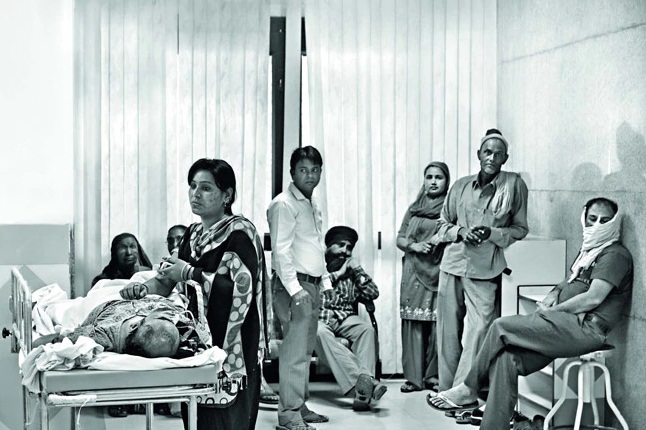
In general, American Indians and Alaska Natives appear to have lower rates of cancer than other American groups. However, the death rates among those who have cancer tend to be higher. Among Native Americans, cancer is the third leading cause of death among all age groups and the second leading cause of death among those … Continued

Indians and Cancer