By admin

Northwest Coast Carvings (Photo Diary)

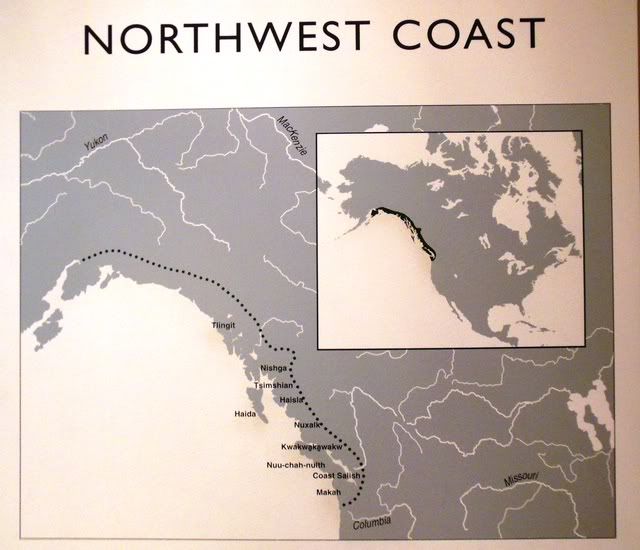
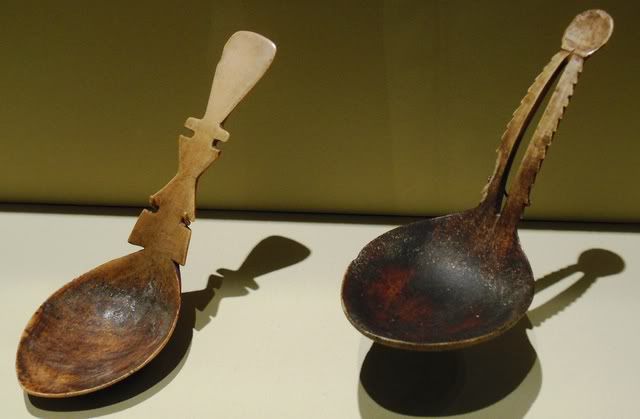
The Northwest Coast is a region in which an entrenched and highly valued artistic tradition flourished. Northwest Coast art-carving and painting-has a very characteristic style. Most commonly, art is used for portraying the family crest and heraldic figures. Shown below are some examples of Northwest Coast carvings which are on display at the Portland Art … Continued
By admin

California and Great Basin Art (Photo Diary)

California and the Great Basin is an area of great cultural diversity. With regard to art, this is an area well-known for its basketry. Among some of the tribes, such as the Hupa and Maidu, woven baskets were used for cooking. The weaving on the baskets is so tight that they can hold water. When … Continued

By admin

Woven History, Part 1 (Photo Diary)

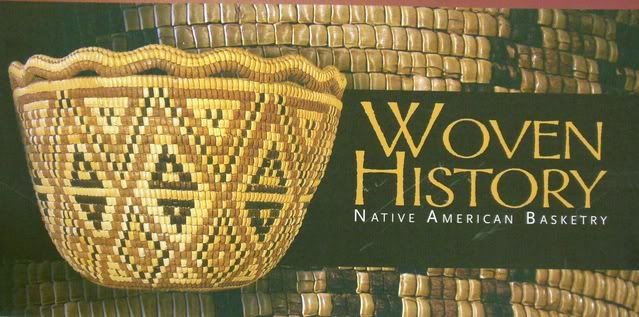
Old baskets are fascinating. They reflect traditions and skills, as well as changes to culture and lifestyle. They speak to us from the past and can tell us much about the weaver’s life and society’s values. The display of Native American baskets at the Clark County Historical Museum in Vancouver, Washington, includes baskets from many … Continued

By admin

Northwest Coast Masks and Headdresses (Photo Diary)

The people of the Northwest Coast, particularly those in the Northern and Central portions of this culture area, are well known for their ceremonial masks. Masks are made from wood, primarily cedar and occasionally maple, which is then painted with three primary colors: black or blue, red, and white. These masks are both art objects … Continued

By admin

Arctic Art (Photo Diary)

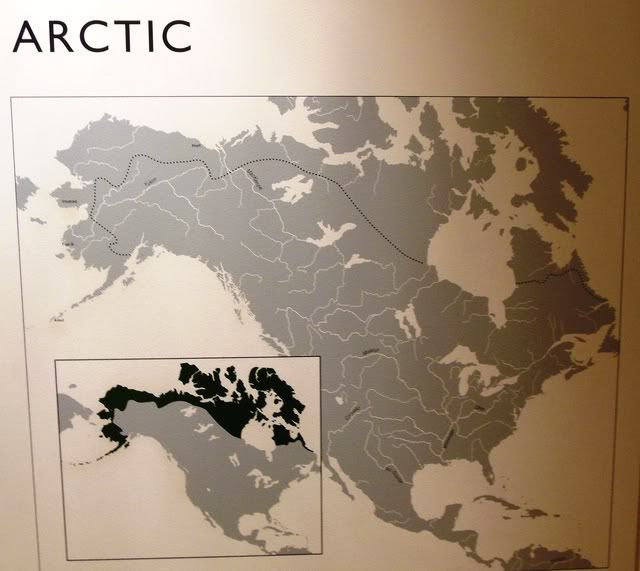
The Arctic Culture Area spreads across northern North America and is an area which can be described as cold desert. It is a region which lies above the northernmost limit of tree growth. The area has long, cold winters and short summers. During the summer, the tundra becomes boggy and difficult to cross. Shown below … Continued

By admin

Navajo Rugs

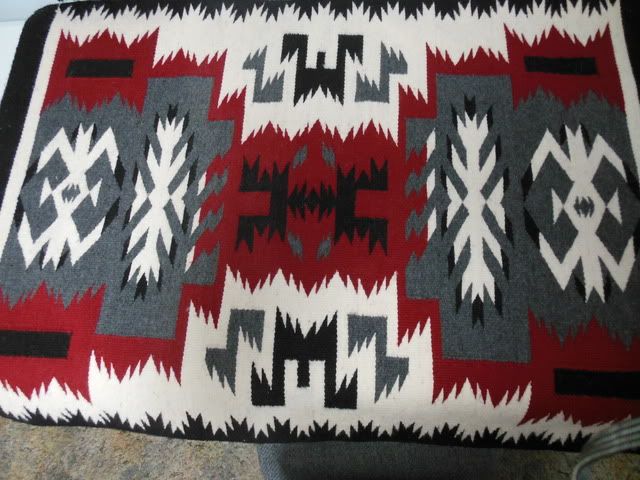
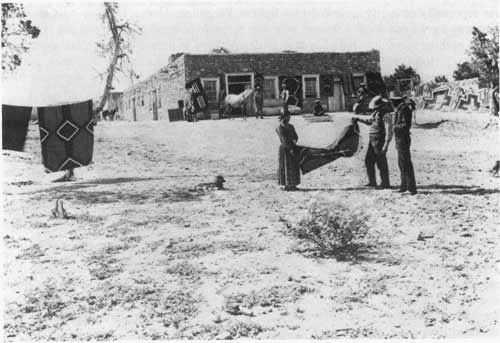
In the American Southwest today one of the most popular art forms sought by museums, collectors, and tourists is the Navajo rug. While the Navajo had been weaving for centuries and their works were traded over a wide area, the development of the Navajo rug really started in 1881 with the arrival of the railroad. … Continued

By admin

Pueblo Weaving

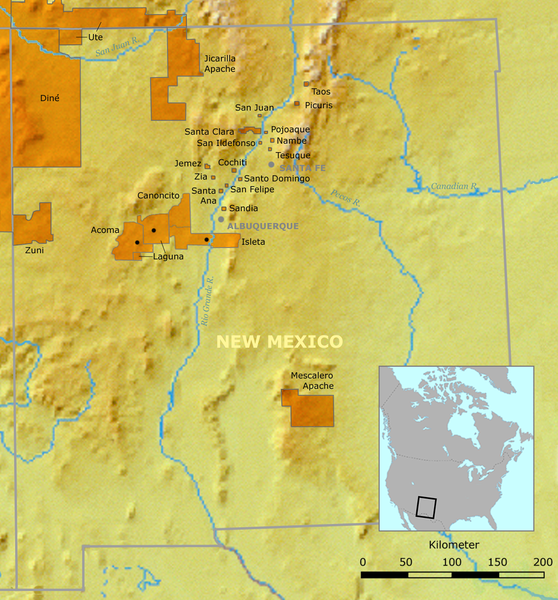
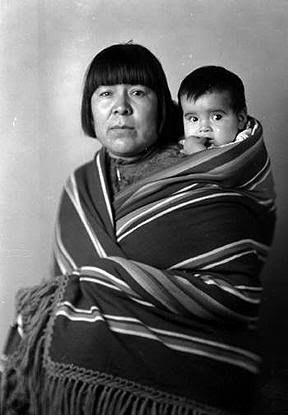
For more than a thousand years, American Indian agriculturalists have been living in villages in what is now Arizona and New Mexico. When the Spanish first encountered these villages, many of which had multi-story apartment complexes built from stone, they referred to them as “pueblos,” the Spanish word for village.   Europeans have grouped these … Continued

By admin

The Fort Marion Prisoners

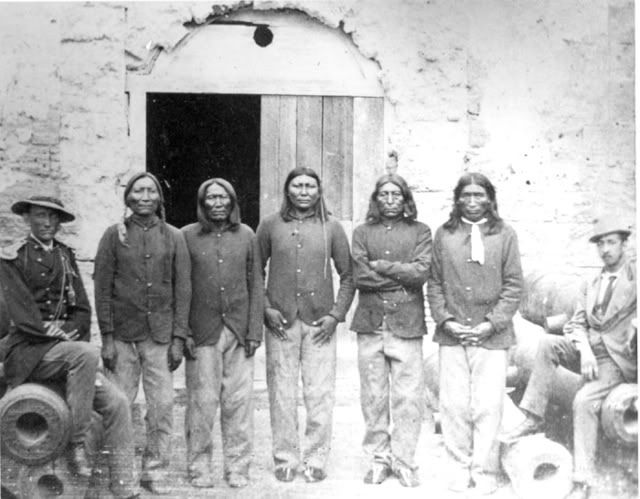
Following the so-called Red River wars in Oklahoma and Texas in 1875, the army had intended to try Indian leaders and warriors before a military commission, but the attorney general ruled that a military trial would be illegal as a state of war cannot exist between a nation and its wards. Thus the Indians were … Continued

Native Americans

By admin

Indian Art in the Late 19th Century

While the mainstream art world did not begin to recognize American Indian art as a distinctive art form until the twentieth century, during the late nineteenth century the market for American Indian arts-or more accurately, arts and crafts-began to develop. This market included pottery, weavings, drawings, paintings, and other items. The new market was driven … Continued

By admin

Art Museums Discover Indian Art

During the nineteenth and the first part of the twentieth century, American Indian objects that would today be considered works of art were relegated to display in cabinets of curiosity with dinosaur fossils, stuffed penguins, and unusual geological specimens. By the 1930s, however, some museums were beginning to recognize American Indian art as a distinct … Continued