By admin

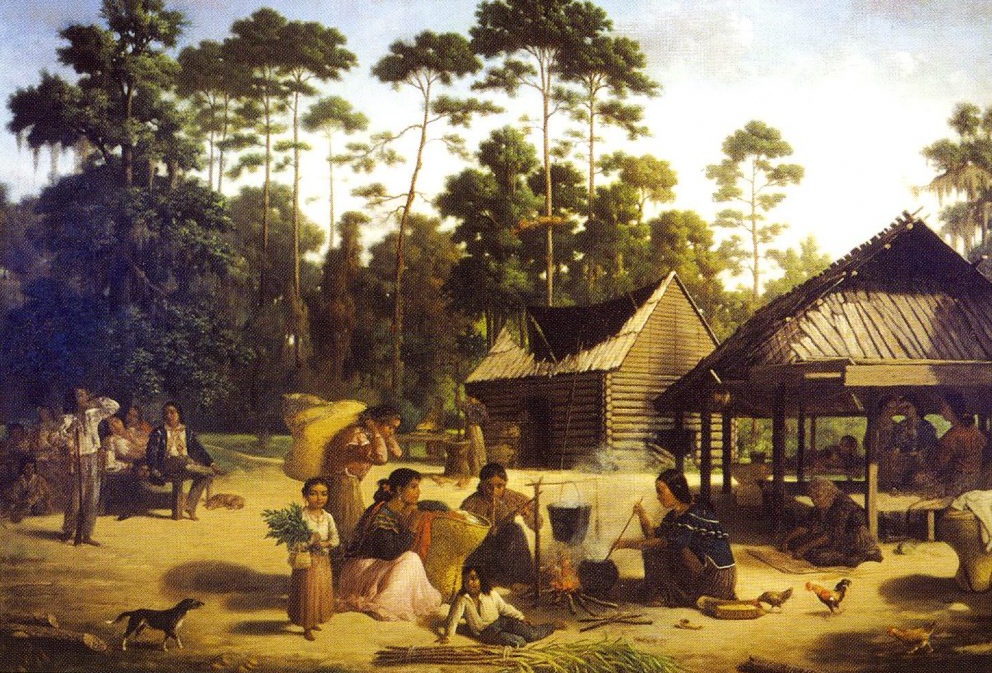
American Indians in 1618

During the first part of the seventeenth century, conflicts and potential conflicts between American Indians and the invading Europeans increased. Enamored with the idea of gaining personal wealth through the exploitation of Indian lands, four European countries—France, England, Netherlands, and Spain—established permanent colonies in the Americas. Archaeologist Jerald Milanich, in his book Laboring in the … Continued
By admin

Tribes and Reservations in 1917

During the nineteenth century, the United States had attempted to settle all Indians on well-defined reservations on lands deemed unsuitable for non-Indian development. Here Indians were to remain until they became extinct or had fully assimilated into the Christian American lifestyle. By the end of the nineteenth century, the government began the process of dismantling … Continued

By admin

American Indians in 1717

The fur trade was an important part of the economic history of North America and incorporated American Indian economies into a larger world economy. Furs were valuable, easily portable, and renewable resources. The prime furs—marten, otter, fox—were sold at high prices in the European and Chinese markets. Of less value, but still profitable, were pelts … Continued

By admin

American Indians in 1617

By 1617, four European nations—Spain, France, England, and the Netherlands—were staking their claims in North America through exploration and colonization. Archaeologist Jerald Milanich, in his book The Timucua, describes the reasons for the European expansion into North America: “The driving force behind these initiatives was a desire for wealth: precious stones or metals, fertile lands … Continued

By admin

Christian Missions in 1817

The early nineteenth century was a period in which American Indians came into contact with non-Indian explorers and missionaries. Unlike the early explorers who simply passed through Indian territories and having relatively brief encounters with the Indians themselves (including sexual encounters), the missionaries came with the idea of actually living among the Indians. They often … Continued

By admin

Federal Indian Policy in 1817

In 1817, James Monroe became the new President of the United States. In his book The Removal of the Choctaw Indians, Arthur DeRosier writes: “America embarked upon a period of intense nationalism which completely dominated Monroe’s administration.” Arthur DeRosier goes on to say: “The changing attitudes of the period affected even the handling of the … Continued

By admin

The Cherokee in 1817

When the Europeans began their invasion of the Americas, the Cherokee were an agricultural people whose villages could be found throughout the American Southeast. By the first part of the nineteenth century, the Cherokees had had enough experience in dealing with the American government that they understood that they needed to have a unified government. … Continued

By admin

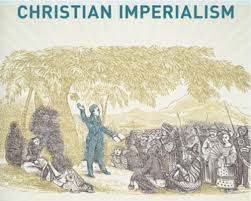
Christian Imperialism

One example of religious imperialism can be seen in the era following the Age of Discovery which began in the fifteenth century. European kings, and later the United States, used a legal fiction known as the Doctrine of Discovery to justify their acquisition of new territories outside of Europe. Following this doctrine, Christianity is seen as superior to … Continued

By admin

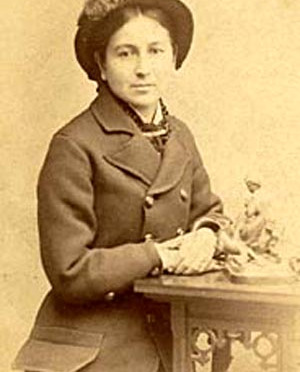
Susette La Flesche, Indian Rights Activist

Susette (Yosette) La Flesche was born on the Omaha Reservation in Nebraska in 1854. She was the eldest daughter of Joseph La Flesche and Mary Gale La Flesche. Joseph LaF lesche was the principal chief of the Omaha. With regard to Joseph La Flesche, John Little, in his biography of Susette La Flesche in Notable … Continued

By admin

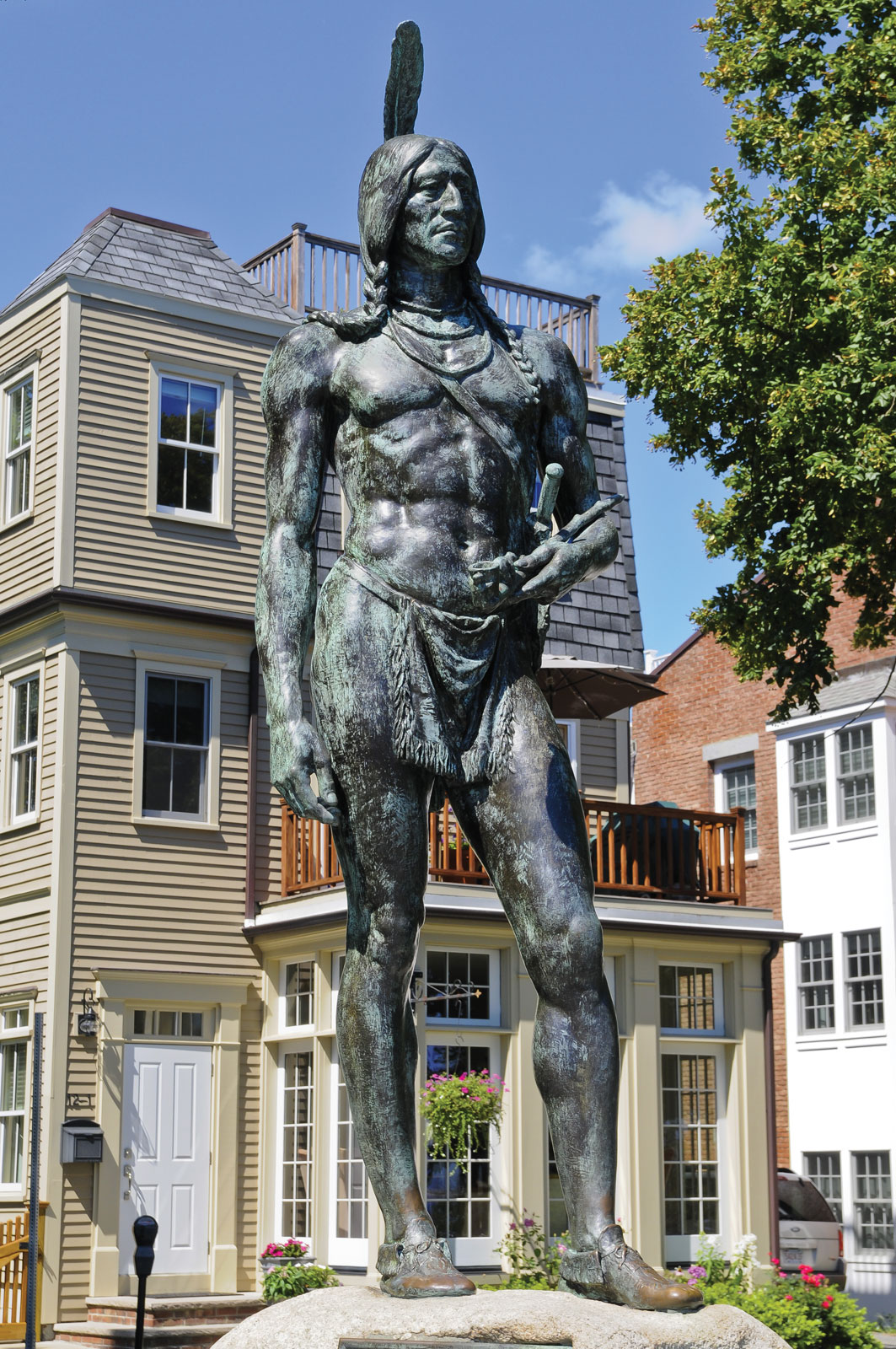
Massasoit, Wampanoag Leader

During the first part of the seventeenth century, the Wampanoag Confederacy controlled a large portion of what is now New England. Wampanoag territory ranged from Narragansett Bay to Cape Cod. The leader of this confederacy during the first part of the seventeenth century was Massasoit, who is generally described as the Great Sachem. His main village … Continued