By admin

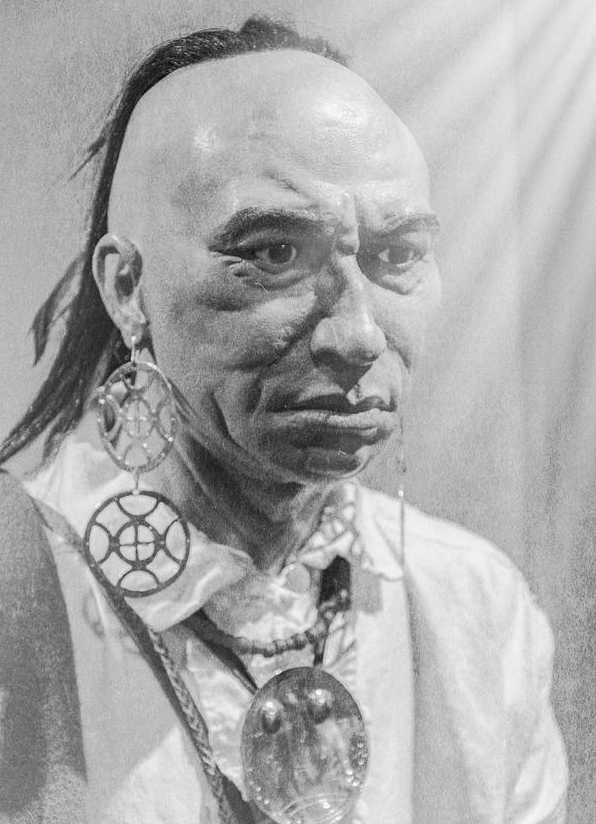
Nakaidoklini, Apache Spiritual Leader

President Ulysses Grant established the San Carlos Indian Reservation in Arizona by Presidential Executive Order in 1872. The newly created reservation was a division of the White Mountain Apache Reservation and was intended for the Chiricahua Apache as well as other tribes. Under Grant’s Peace Policy, the Dutch Reformed Church was given charge of the … Continued
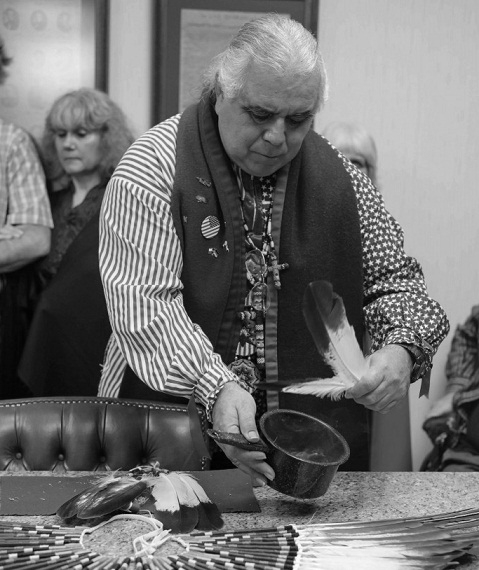
Apache Spiritual Leader

By admin

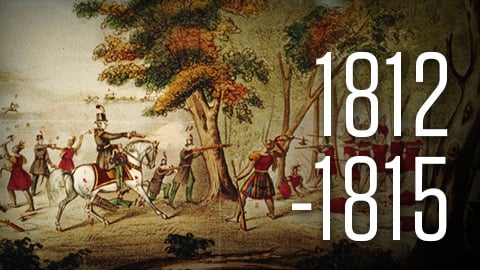
Indians 1815

Two hundred years ago, in 1815, the United States Senate ratified the Treaty of Ghent which ended the War of 1812. The treaty restored to all Indian nations all of the possessions, rights, and privileges which they had prior to the war. Robert Venables, in a chapter in American Indians/American Presidents: A History, reports:  “Under … Continued

Indians 1812 1815

By admin

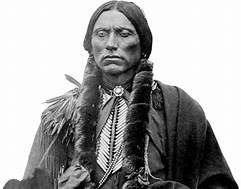
Eschiti, Comanche Medicineman

The Comanche held a Sun Dance in Oklahoma in 1874. This was not a traditional ceremony, but was one they had borrowed from the Cheyenne. The Sun Dance coincided with the emergence of a new medicine man, Eschiti (Coyote Droppings; also spelled Esa-tai). Bill Neeley, in his book The Last Comanche Chief: The Life and Times of Quanah … Continued

Comanche Medicineman

By admin

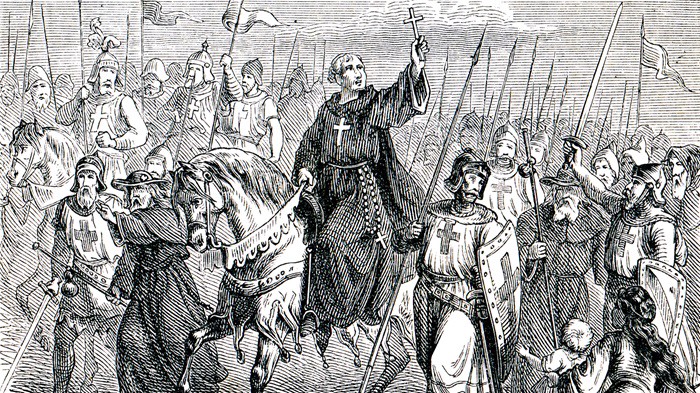
Indian Events of 1615

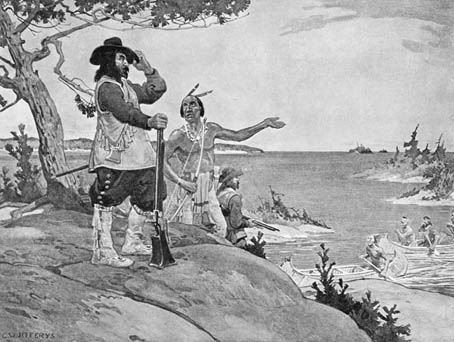
Four hundred years ago, in 1615, the European invasion of North America was in its infancy. Contact between the Indian nations and the Europeans was largely in the form of explorers, missionaries, and fur traders. The Europeans found that the Indian nations were diverse in their languages, cultures, and religions. Similarly, there were significant differences … Continued

Indian nations and the Europeans 1615

By admin

The Indian Wars of 1915

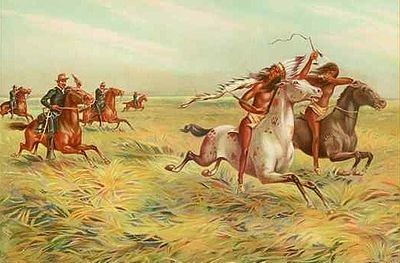
By the end of the nineteenth century, it was commonly believed by scholars, politicians, and the general public that Indians were destined to disappear. In the twentieth century, many scholars continued to write as though Indians did, in fact, disappear by the twentieth century. Since there weren’t supposed to be any Indians in the twentieth … Continued

The Indian Wars of 1915

By admin

William Weatherford, Red Stick Leader

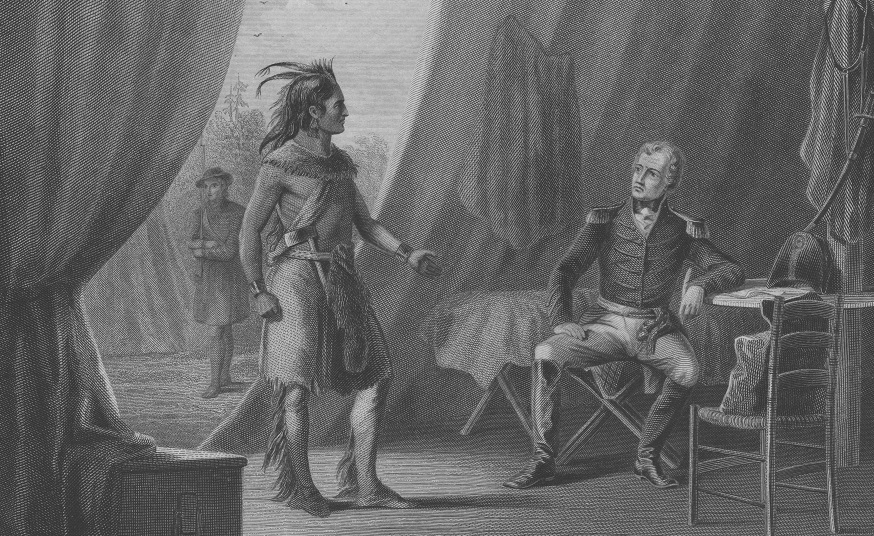
The designation “Creek” is a European concept which emerged during the eighteenth century to designate the Indian people who were living along the creeks and rivers in Alabama, Georgia, and northern Florida. While these people have a cultural continuity which reaches back to the mound building cultures of this area, the concept of a Creek … Continued

William Weatherford, Red Stick Leader

By admin

The 1837 Winnebago Treaty

During the first part of the nineteenth century, the American Indian policy was to remove Indians from east of the Mississippi River and to “give” them reservations in Indian Territory. Under the U.S. Constitution, Indian tribes were considered to be domestic dependent nations which meant that the federal government had to negotiate treaties with them. … Continued

American law

By admin

Suppressing Indian Religions in 1915

In 1915, the United States was firmly convinced that American Indians could assimilate only if they became Christians. To aid in the “civilization” (i.e. Christianization) of the Indians, Congress had formally outlawed Indian religions in the nineteenth century. On the reservations, Indians could be jailed without a trial for practicing or promoting any traditional Indian … Continued

Outlawing American Indian Religions

By admin

Dragging Canoe, Cherokee Leader

At the beginning of the eighteenth century the Cherokee were not a single political nation, but a linguistic and cultural grouping of about 50 villages. Dragging Canoe was born about 1730 somewhere in Tennessee. His father was Attakullakulla, a peace chief. Dragging Canoe first appears in the written European histories in 1775 when the Transylvania … Continued

Dragging Canoe, Cherokee Leader

By admin

Cherokee Government and the English

The primary unit of government among the Cherokee was the town. Each town—perhaps 50 at the time of first European contact—was autonomous. The government of each town was not tied to the government of other towns. These Cherokee towns were loosely affiliated into three groups: (1) the Lower Towns on the headwaters of the Savannah River … Continued

Dissolving Cherokee Government