By admin

1764

Two hundred and fifty years ago, in 1764, many of the Indian nations of North America had not yet had direct contact with the European colonial powers who were claiming the “God-given” right to rule them. Indirectly, however, most of the Indian nations had already been impacted by European manufactured goods and by European diseases. … Continued
Colonial Indian Policies

By admin

The Iroquois Peace, 1700 to 1713

Around the year 1451 five Iroquois nations—the Seneca, Cayuga, Onondaga, Oneida, and Mohawk—met to form the confederacy envisioned by the Huron prophet Deganawida. The five nations buried the instruments of war and planted a pine tree of peace. By 1700, the Iroquois Confederacy, commonly known as the League of Five Nations, was in between two … Continued

Iroquois Confederacy

By admin

1964

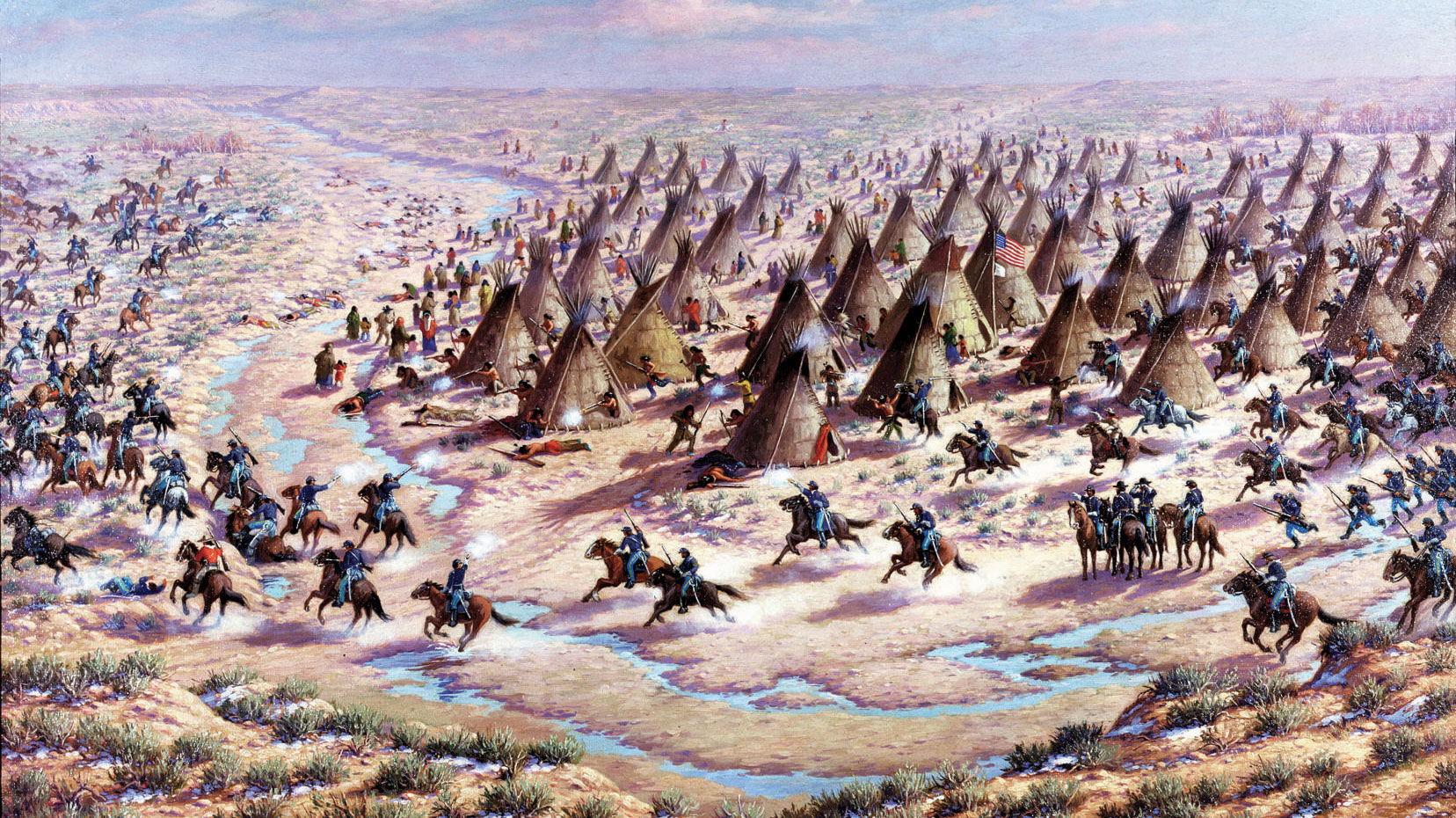
Very often in history classes and in the popular media Indians are segregated into the eighteenth and nineteenth centuries with particular attention on the conflicts with Plains Indians following the Civil War. There is sometimes the implication that there were no Indians in the twentieth century, that they had somehow gone extinct or simply assimilated, … Continued

Plains Indians follow the Civil War 1964

By admin

Early Spanish Invasions of the Plains

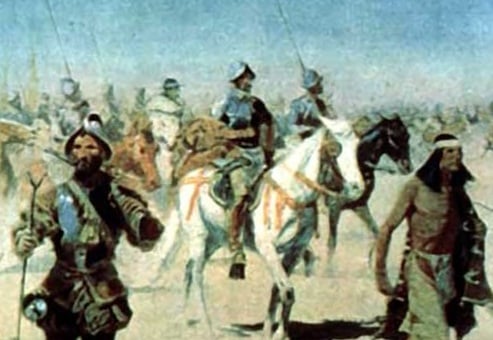
The Great Plains is the huge area in the central portion of the North American continent which stretches from the Canadian provinces in the north, almost to the Gulf of Mexico in the south, from the Rocky Mountains in the west to the Mississippi River in the east. This is an area which contains many … Continued

Early Spanish Invasions of the Plains

By admin

American Indians in 1890

The 1890 United States Census formally enumerated all of the Indians of the country. According to the Census, there were a total of 248,253 Indians in the United States: 58,806 are “Indians taxed” (that is living off their reservations) and 189,447 are “Indians not taxed” (Indians on reservations). With regard to the difficulties in counting … Continued

The Chickasaw Indians

By admin

An Iroquois in Oregon

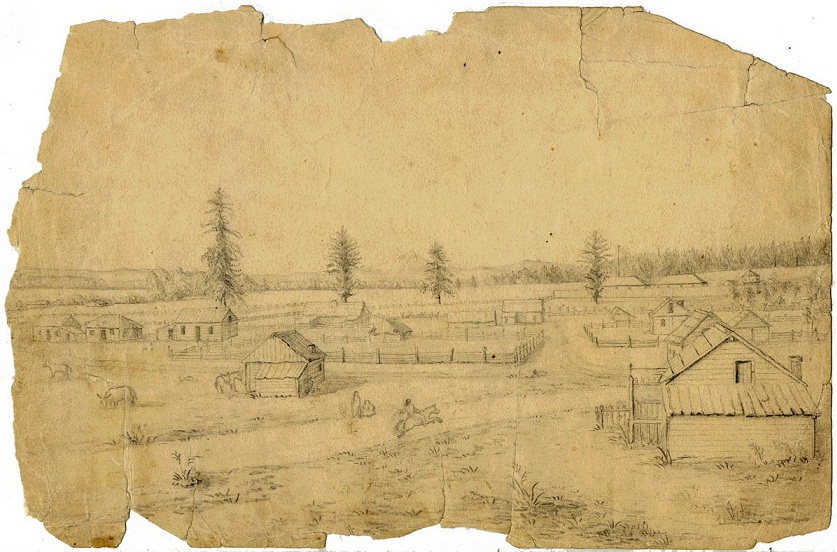
In 1857, Enos Thomas, whose tribal identity is simply listed as Iroquois, was transported from Fort Vancouver to Port Orford, Oregon to be tried for war crimes committed during the recent Rogue River War. When the primary witness against him failed to appear, the Justice of the Peace William Copeland ordered the sheriff William Riley … Continued

An Iroquois in Oregon

By admin

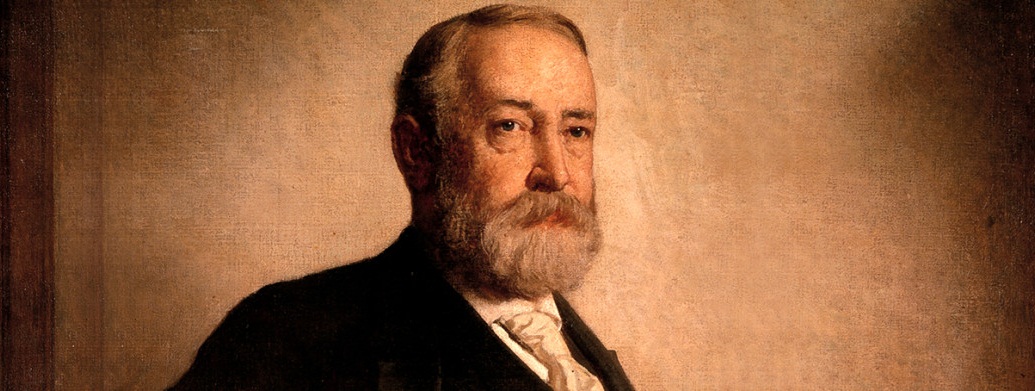
President Benjamin Harrison and Indian Reservations

In 1887, Congress passed the General Allotment Act (Dawes Act) which had the intent of assimilating Indians by making them land-owning farmers. The idea of the Dawes Act was to break up the reservations by giving each Indian family an allotment of land, similar to the homesteads given to non-Indian settlers. This act guided much … Continued

President Benjamin Harrison and Indian Reservations

By admin

The Theft of the Cherokee Outlet

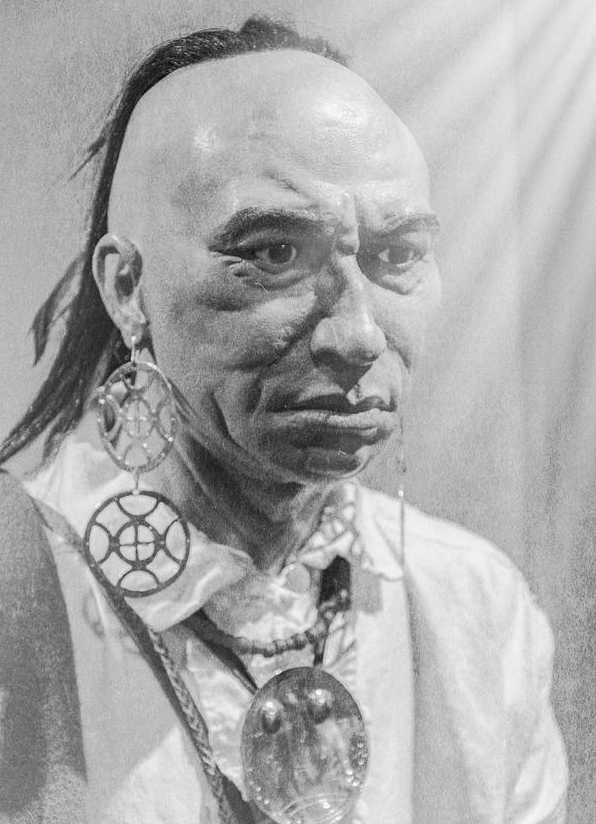
In 1836, under the terms of the Treaty of New Echota, the Cherokee were given a narrow strip of land some 225 miles long and 60 miles wide in what would later become Oklahoma. This strip of land, known as the Cherokee Outlet, was in addition to their reservation and was intended to provide them … Continued

Dragging Canoe, Cherokee Leader

By admin

President Benamin Harrison and Indian Education

When Benjamin Harrison became President in 1889, he appointed Thomas Jefferson Morgan as his Commissioner of Indian Affairs. Like most of his predecessors, Morgan had no experience in Indian affairs, little contact with actual Indians, and no understanding of Indian cultures. He was, however, a Baptist minister and an educator with a fervent belief that … Continued

President Benjamin Harrison and Indian Reservations

By admin

Imposing Law on Sovereign Nations

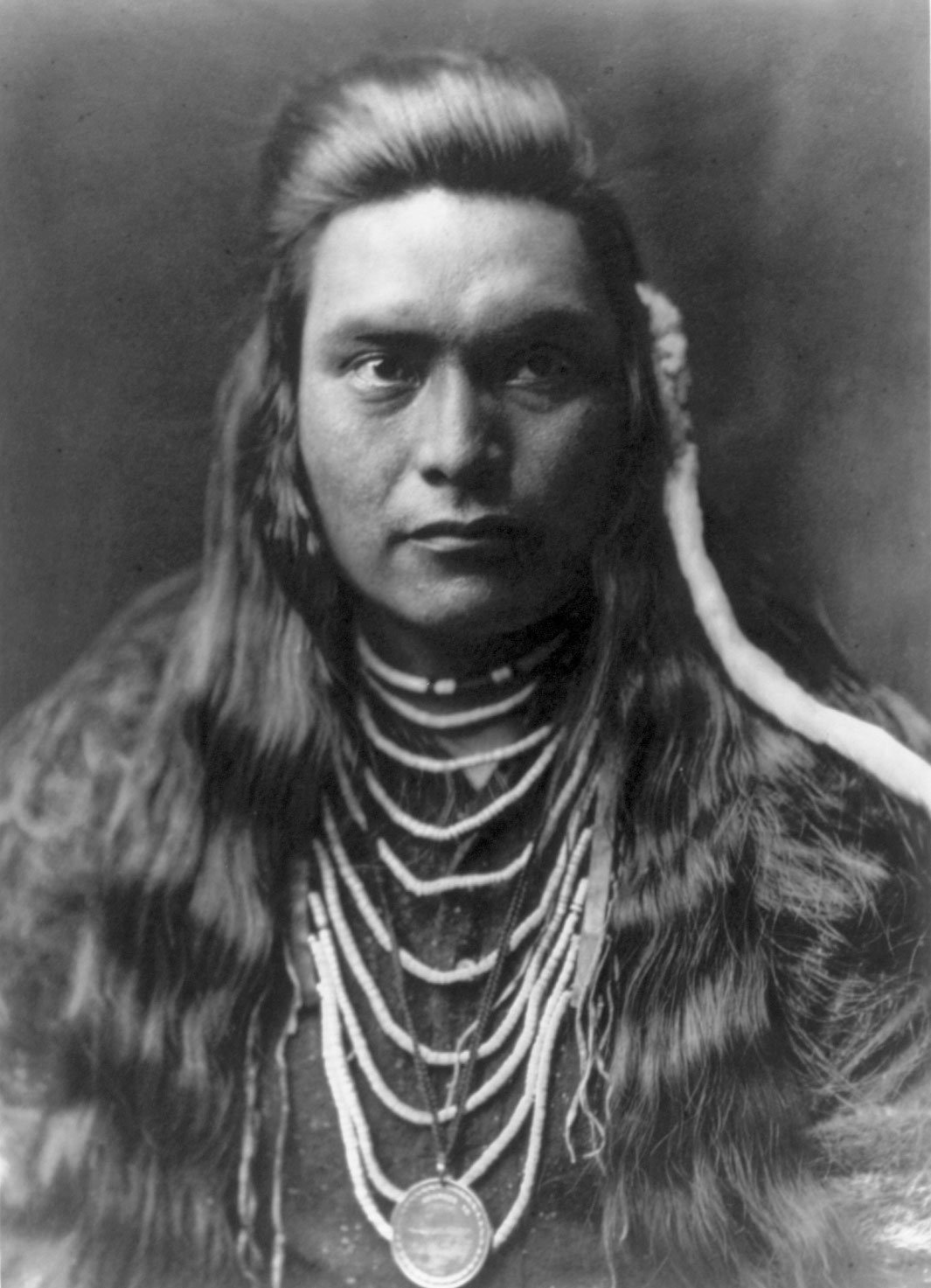
While the Constitution of the United States and the Supreme Court recognize Indian tribes as sovereign nations, this has been frequently ignored by Indian agents. Ignoring the fact that Indian nations had their own laws which had been developed over centuries of experience, Indian agents frequently imposed their own laws, based on their concepts of … Continued

Nez Perce