By admin

Tulalip Canoes (Photo Diary)

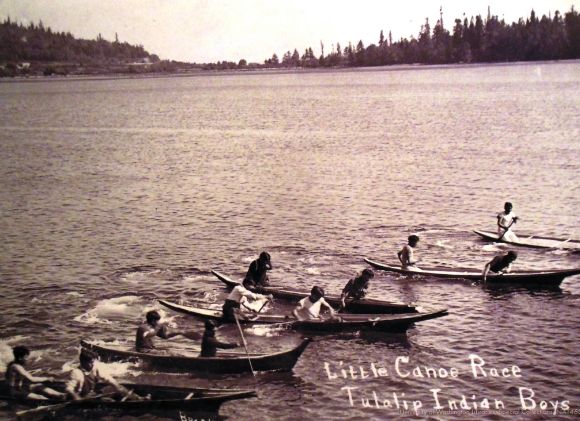
For the Salish-speaking tribes of the Washington coast, canoes were traditionally not only their most important form of transportation, they were also cultural icons. The Hibulb Cultural Center and Natural History Preserve honors the Tulalip (Snohomish, Snoqualmie, Skykomish, and others) cultures. The importance of canoes to the Tulalip peoples is evident in the Hibulb Culture … Continued
By admin

Ancient America: Tulalip Archaeology

The Hibulb Cultural Center and Natural History Preserve has several displays of artifacts found during the archaeological excavation of sites occupied by their ancestors. While it is not a part of the Tulalip cultural beliefs to uncover ancestral remains or ancient village sites, the Hibulb Cultural Center and Natural History Preserve was gifted these artifacts … Continued

By admin

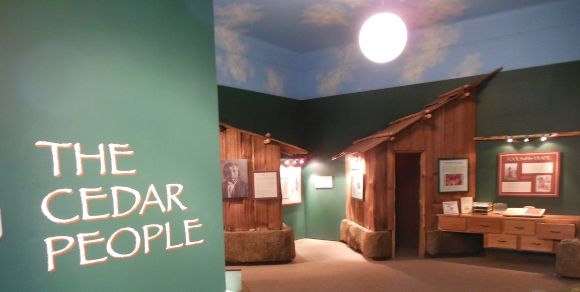
The Cedar People (Photo Diary)

The Heritage Museum in Astoria, Oregon has one gallery devoted to displays and interpretation of the Native peoples of the Columbia River: Clatsop, Chinook, Kathlament, Klatskanie, and Tillamook. The Clatsop occupied the areas of Astoria, Warrenton, and down the coast to Seaside. The Klatskanie lived inland along the coastal range. The Kathlamet lived farther upriver. … Continued

By admin

Modern Indian Scouts For Christian Fascists

A historical paradox is that once a people are freed, they sometimes become the aggressors. For instance, the Texans who defeated the Mexicans in the Texas Revolution fought exterminated the Comanche; some freed slaves became Buffalo Soldiers and joined the genocide campaign. Today, there are Christianized American Indians, and Christianized into Dominionism, who commit cultural … Continued

By admin

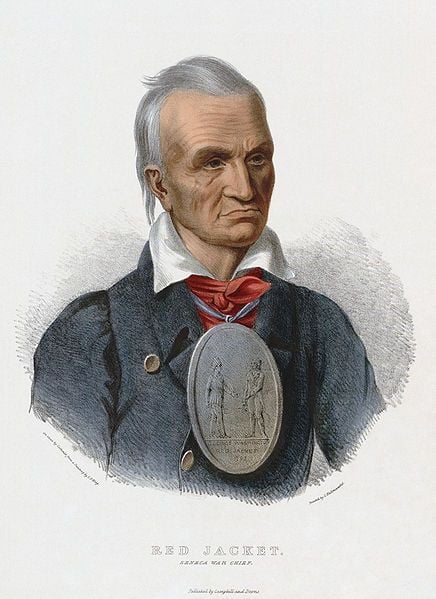
Red Jacket, Seneca Sachem

In 1830 Red Jacket, the most famous Seneca orator, died in New York at the age of 74. Seneca writer, historian, and archaeologist Arthur Caswell Parker described the deathbed scene this way: “He murmured that his old comrades were around him, some chiding him for his mistakes and urging him to see that there was … Continued

By admin

The Termination Era

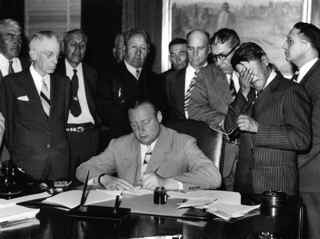
In 1945 Commissioner of Indian Affairs John Collier, who had emphasized cultural pluralism for American Indians, was forced to resign by congressional opponents who sought a return to the policies of assimilation. The new approach was that of termination. The idea was to force individual Indians to assimilate into mainstream, English-speaking, Christian American society by … Continued

The Termination Era

By admin

The Canon and the Mule

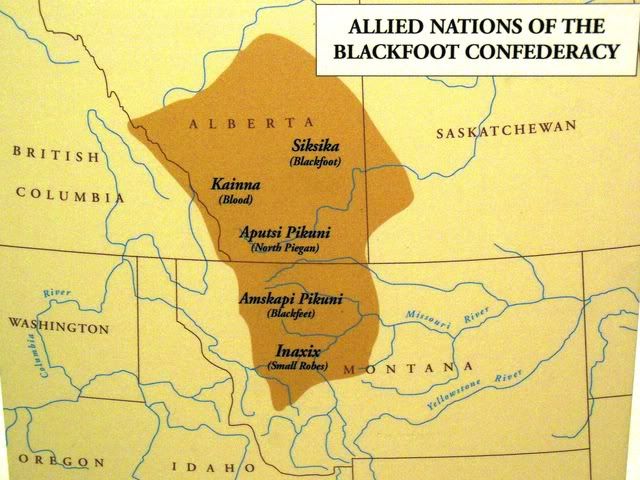
The Blackfoot were the most feared Indian nation on the Northern Plains in the nineteenth century. The United States established their reservation in 1851 at a treaty council held in Fort Laramie, Wyoming. Since no Blackfoot chiefs were in attendance, the government probably felt safe in declaring all of the land north of the Missouri … Continued

By admin

The Powwow (Photo Diary)

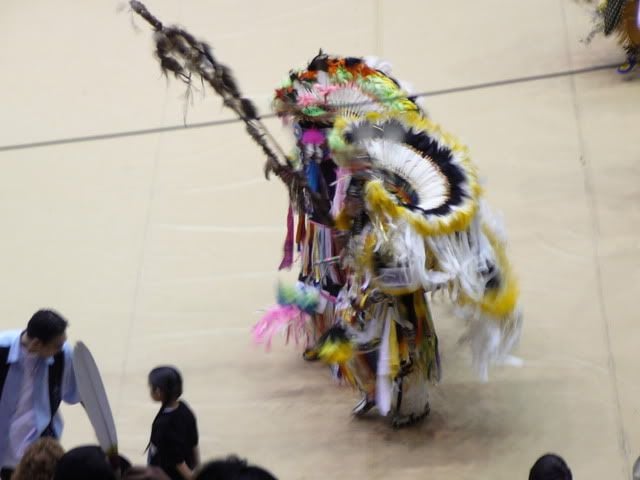
It begins with the drums. This is the signal for the dancers to enter into the dance arbor, usually led by dancers carrying the eagle feather staff. This marks the Grand Entry which starts each powwow session. This is a powwow: the most common form of Indian celebration. The powwow itself is not a religious … Continued

By admin

The Carlisle Boarding School

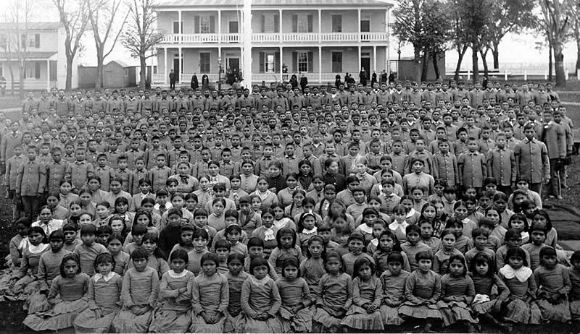
In 1871, the United States governmental policies toward American Indians changed from dealing with tribes as nations to focusing on the assimilation of individual Indians. Assimilation was, and still is, based on a viewpoint that sees immigrants coming to the United States and then becoming “good” Americans by learning English and adopting American customs. If … Continued

By admin

Travelers’ Rest State Park (Photo Diary)

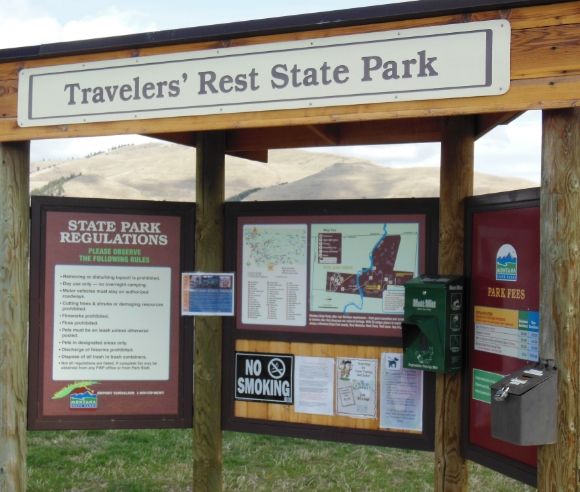
For thousands of years, the Indian peoples of western Montana were connected to the rest of the world through an intricate network of trade routes. The natural hub of these routes is Travelers’ Rest which is today operated as a state park.   Travelers’ Rest is located at the east end of the Lolo Trail. … Continued