Navajo Sandpaintings
Most Navajo ceremonies are focused on health: on healing someone who is ill or on maintaining health. Navajo ceremonies, often referred to as “sings” or … Continued
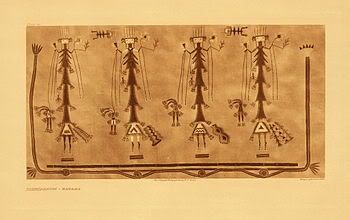

Most Navajo ceremonies are focused on health: on healing someone who is ill or on maintaining health. Navajo ceremonies, often referred to as “sings” or … Continued
During the nineteenth century, academics, politicians, teachers, historians, and the general public knew that Americans Indians were a vanishing race, destined to disappear before the … Continued
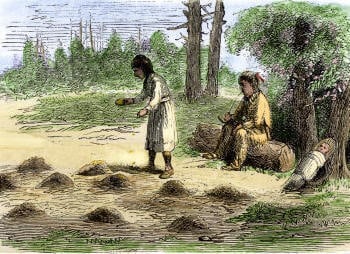
While the English history of the colonization of Massachusetts often characterizes the Indians as nomadic hunters with no claim to the land, it is interesting … Continued
In 1865, some drunken American squatters murdered Pai headman Anasa. In retaliation, Pai raiders attacked several wagon trains, ran off livestock, and shut down the … Continued
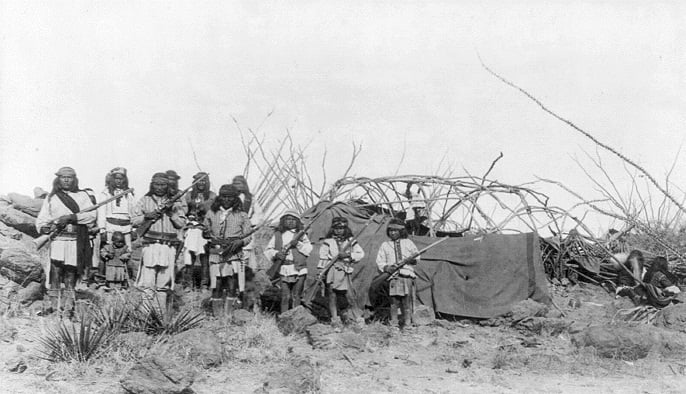
( – promoted by navajo) The Sand Creek Massacre and the Washita Massacre both led to the Wounded Knee Massacre. The Sand Creek Massacre brought … Continued
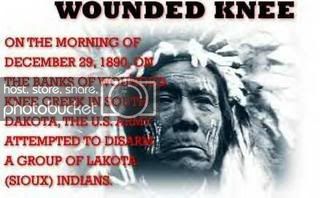
The media has never been fair and balanced when it comes to serving Indian people and reporting on events which impact Indian lives. Many Indian … Continued
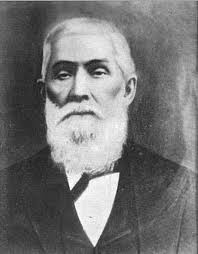
The nineteenth-century wild west shows did a great deal to firmly entrench the stereotype of the American Indian in American culture. This stereotype, loosely based … Continued
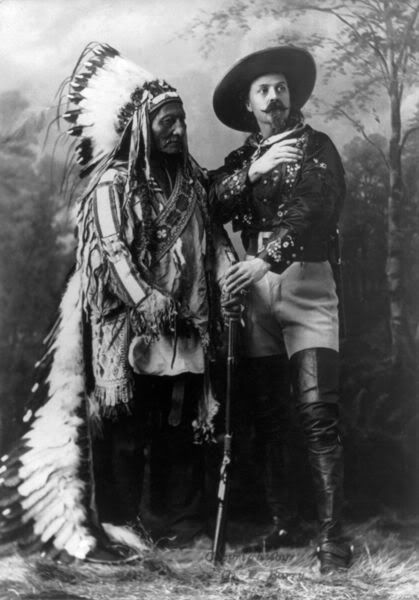
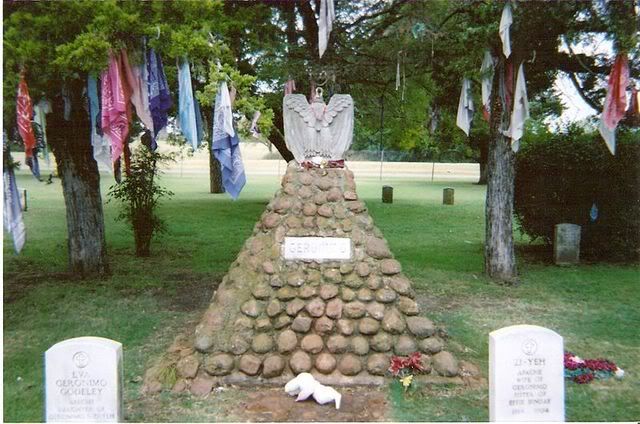
When the Yavapai came under the jurisdiction of the United States following the acquisition of what was to become Arizona, they were a loose association … Continued
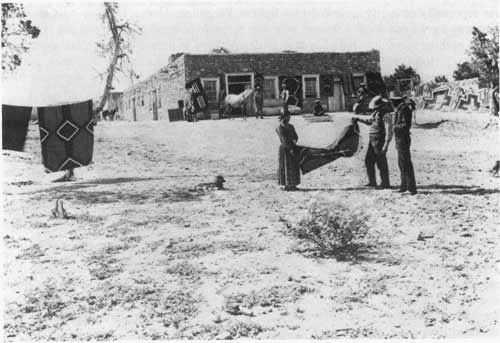
While the mainstream art world did not begin to recognize American Indian art as a distinctive art form until the twentieth century, during the late … Continued
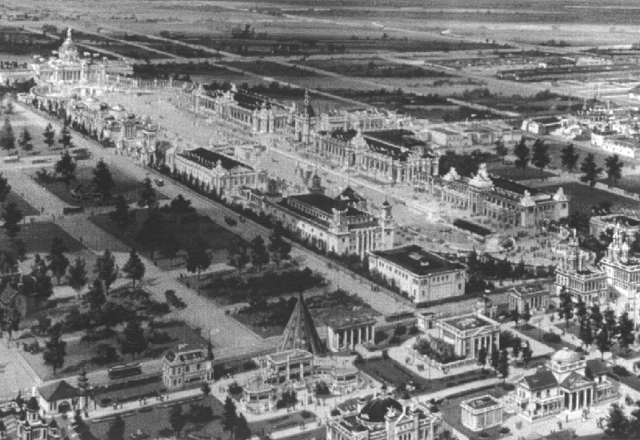
During the nineteenth century, expositions and world fairs were seen as a profitable way for communities to promote themselves while educating the masses. Since Indians … Continued